- Senia
- 0 Comments
- 938 Views
Have you ever wondered if the personal chef industry could offer more than traditional meal prep or private dining? From what I’ve seen, this space holds many overlooked opportunities—especially for everyday people who want to build a meaningful, profitable business. In this guide, I’ll walk you through 20+ niche business ideas to venture in the personal chef industry, each designed to help you earn money while serving real needs.
The personal chef industry has quietly grown into one of the most flexible and opportunity-rich fields for small business owners. As more people look for healthier meals, home-cooked convenience, and specialized diets, the demand for personalized cooking services continues to rise. I’ve often noticed that many aspiring chefs or food lovers believe they need a restaurant, advanced training, or big investments to get started, but the reality—at least from what I’ve seen—is much more accessible. With a bit of creativity and thoughtful planning, there are many profitable chef-related niches that can fit your skills, lifestyle, and budget.
In this post, we’ll explore practical ways to make money in the personal chef industry, even if you’re starting small. I’ll walk through niche ideas, real-world examples, simple steps to begin, possible challenges, and honest solutions. My hope is to offer ideas that feel doable, not overwhelming—because I believe we’re all just taking one step at a time.
1. Healthy Meal Prep Services
Description: Prepare and deliver nutritious meals to clients on a weekly basis. Health-conscious individuals, busy professionals, and parents are your main audience.
Why It’s Profitable: People want convenience without compromising on health. Repeat clients are common because meals are needed regularly.
Step-by-Step Guide:
- Research local dietary trends.
- Create 5–7 meal options for different health goals.
- Purchase bulk ingredients to reduce costs.
- Package meals attractively and sustainably.
- Market through social media, local gyms, and wellness groups.
Challenges: Logistics of delivery and maintaining freshness.
Solutions: Use insulated containers and refrigerated transport.
Startup Costs: $500–$2,000 (ingredients, packaging, marketing).
Monetization: Meal subscriptions, premium add-ons like smoothies or snacks.
Example: A personal chef in Austin grew from 10 to 50 weekly clients in a year by focusing on healthy, Instagram-friendly meals.
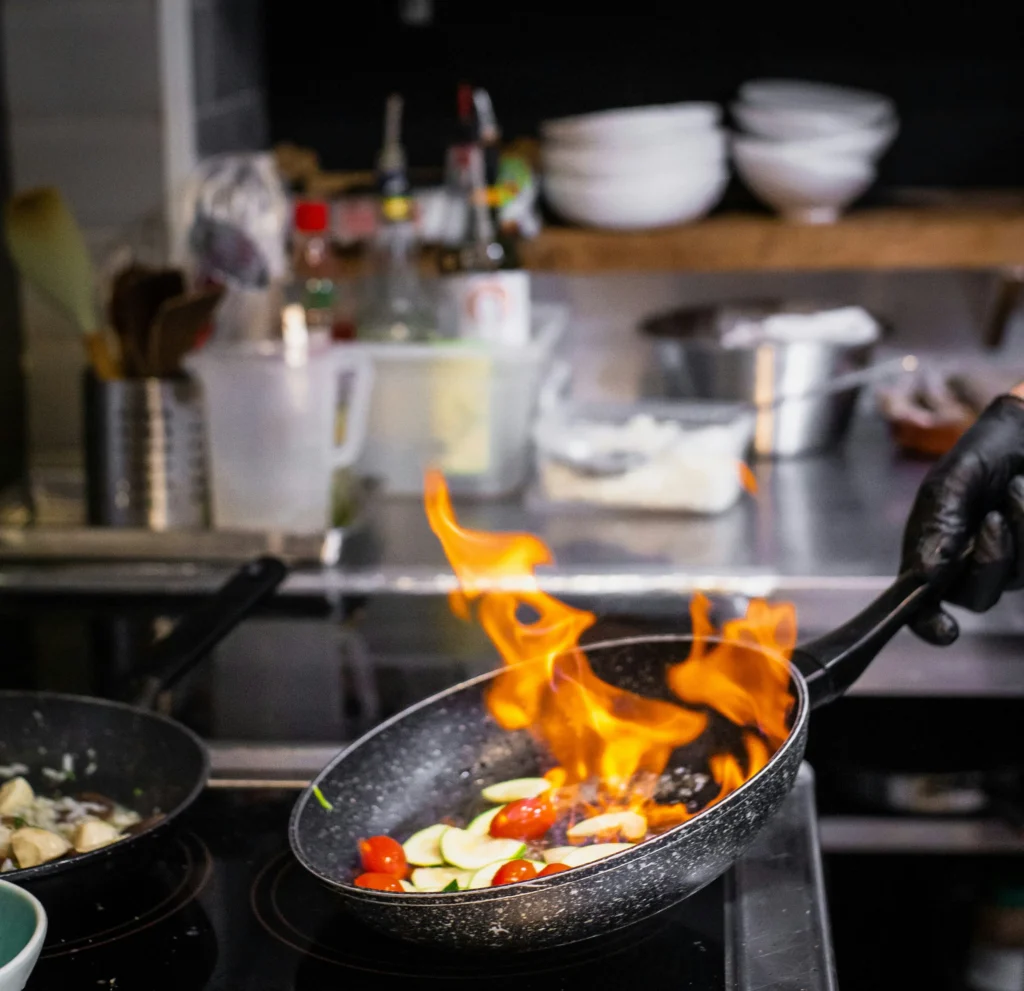
2. Vegan and Plant-Based Chef Services
Description: Specialize in vegan meals for individuals, families, or events.
Why It’s Profitable: The plant-based market is booming, with more people looking to reduce animal products.
Tips:
- Highlight creativity and nutritional balance.
- Offer cooking workshops to expand income streams.
Challenges: Ensuring taste appeals to non-vegans.
Solutions: Experiment with spices, textures, and presentation.
Startup Costs: $300–$1,500.
Monetization: Subscription meal services, online cooking classes.
3. Keto and Low-Carb Meal Plans
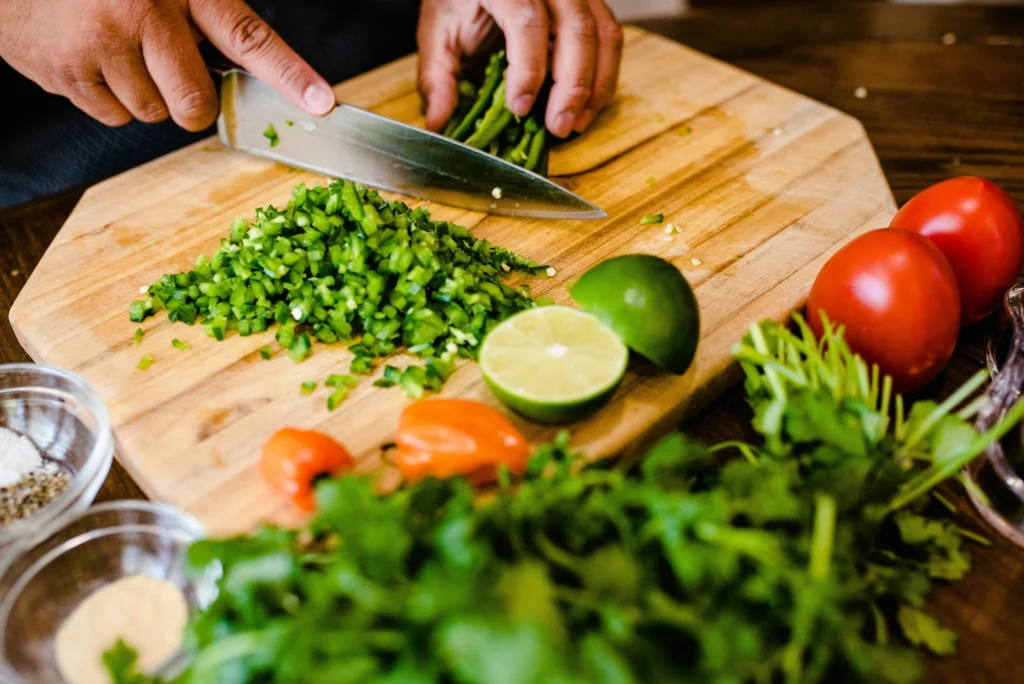
Description: Cater to clients following ketogenic or low-carb diets.
Insights: High demand in fitness communities and among weight-loss clients.
Step-by-Step:
- Research popular keto recipes.
- Create weekly menus with customizable options.
- Partner with local gyms for client referrals.
Challenges: Managing ingredient costs and variety.
Solutions: Use seasonal vegetables and bulk meats.
Startup Costs: $400–$1,800.
Monetization: Weekly meal subscriptions, coaching packages.
4. Gluten-Free Personal Chef Services
Description: Provide gluten-free meals for people with celiac disease or gluten sensitivity.
Why It Works: Niche dietary needs often have loyal clients willing to pay more for safety and taste.
Tips:
- Ensure a cross-contamination-free kitchen.
- Educate clients on label reading and ingredient sourcing.
Startup Costs: $300–$1,500.
Monetization: Subscription services, recipe eBooks.
5. Family-Focused Meal Prep
Description: Prepare weekly meals for busy families.
Why It’s Profitable: Families often struggle with time and want healthy meals without constant cooking.
Step-by-Step:
- Create kid-friendly menus.
- Offer flexible portion sizes.
- Partner with local schools or parenting groups for marketing.
Challenges: Dietary restrictions in family members.
Solutions: Offer custom menus for allergies or preferences.
Startup Costs: $500–$2,000.
Monetization: Weekly subscriptions, family-friendly recipe workshops.
6. Meal Prep for Seniors
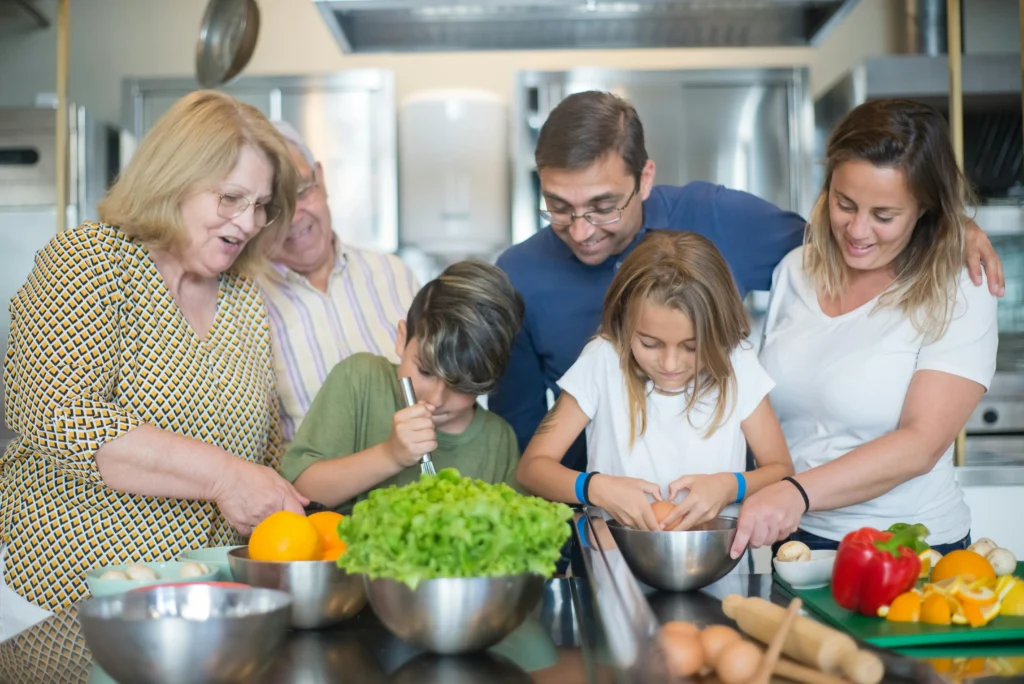
Description: Focus on seniors needing nutritious, easy-to-eat meals.
Why It’s Profitable: Aging populations often have specific dietary needs and convenience is a high priority.
Tips:
- Include low-sodium, soft-textured meals.
- Offer delivery and meal reheating instructions.
Startup Costs: $400–$1,500.
Monetization: Subscription meals, nutrition consultations.
7. Corporate Meal Delivery
Description: Deliver healthy meals to offices or remote teams.
Why It Works: Companies want to boost employee wellness and productivity.
Step-by-Step:
- Network with HR departments.
- Offer weekly meal packages or monthly subscriptions.
- Include dietary options: vegan, gluten-free, keto.
Startup Costs: $1,000–$3,000.
Monetization: Corporate contracts, event catering.
8. Specialty Dessert Chef
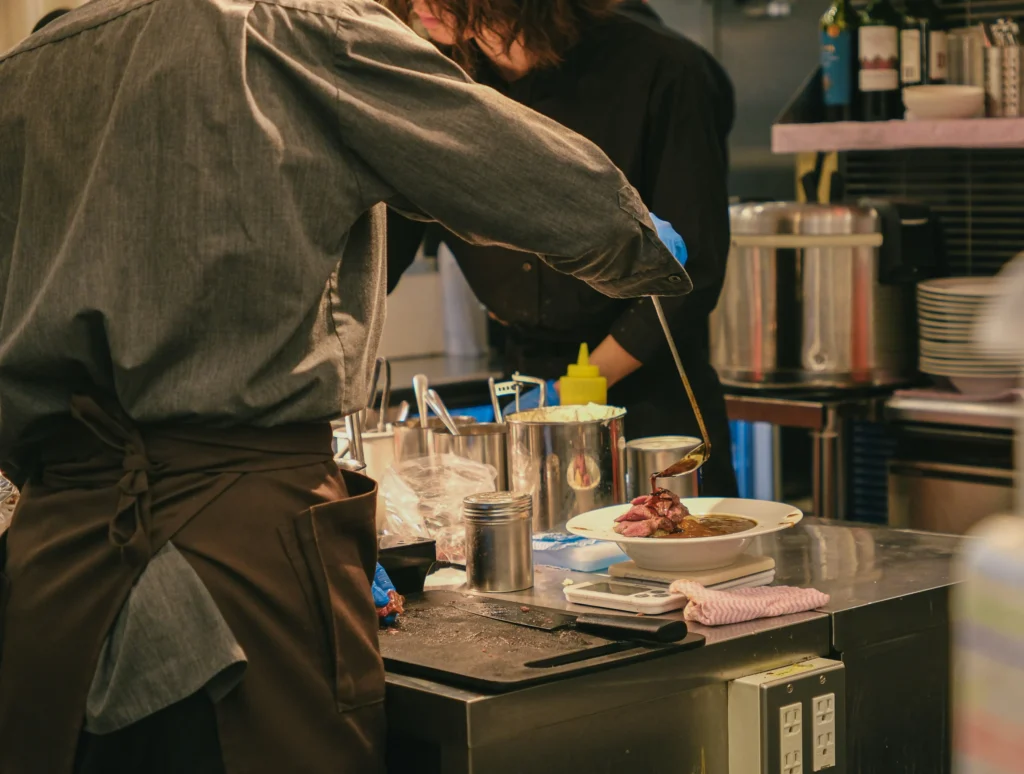
Description: Focus solely on high-end desserts or pastries.
Why It’s Profitable: Desserts often have higher margins and are suitable for events, small bakeries, or online orders.
Tips:
- Develop unique signature desserts.
- Offer seasonal specials.
- Partner with cafes for wholesale opportunities.
Startup Costs: $500–$2,000.
Monetization: Event catering, online orders, cooking classes.
9. Baking for Small Businesses
Description: Provide baked goods to local cafés, restaurants, or boutique shops.
Why It Works: Small businesses often prefer sourcing from specialized bakers rather than mass producers.
Step-by-Step:
- Identify local shops in need of baked goods.
- Offer samples and consistent delivery schedules.
- Negotiate bulk pricing for regular contracts.
Startup Costs: $600–$2,000.
Monetization: Wholesale baking contracts, branded desserts.
10. Ethnic Cuisine Personal Chef
Description: Specialize in a specific cultural or ethnic cuisine.
Why It’s Profitable: Authentic experiences are in demand; clients often pay more for genuine flavors.
Tips:
- Offer themed cooking classes or tasting experiences.
- Highlight your unique heritage or culinary expertise.
Startup Costs: $400–$1,500.
Monetization: Private events, cooking workshops, online courses.
11. Gourmet Dinner Experiences
Description: Host private, high-end dinners for small groups at clients’ homes.
Why It Works: People crave unique, intimate dining experiences without going to restaurants.
Step-by-Step:
- Create a menu with wine pairings.
- Offer full-service dining: setup, cooking, and cleanup.
- Market through social media and event planners.
Startup Costs: $500–$2,500.
Monetization: Event fees, VIP packages.
12. Cooking Classes at Home
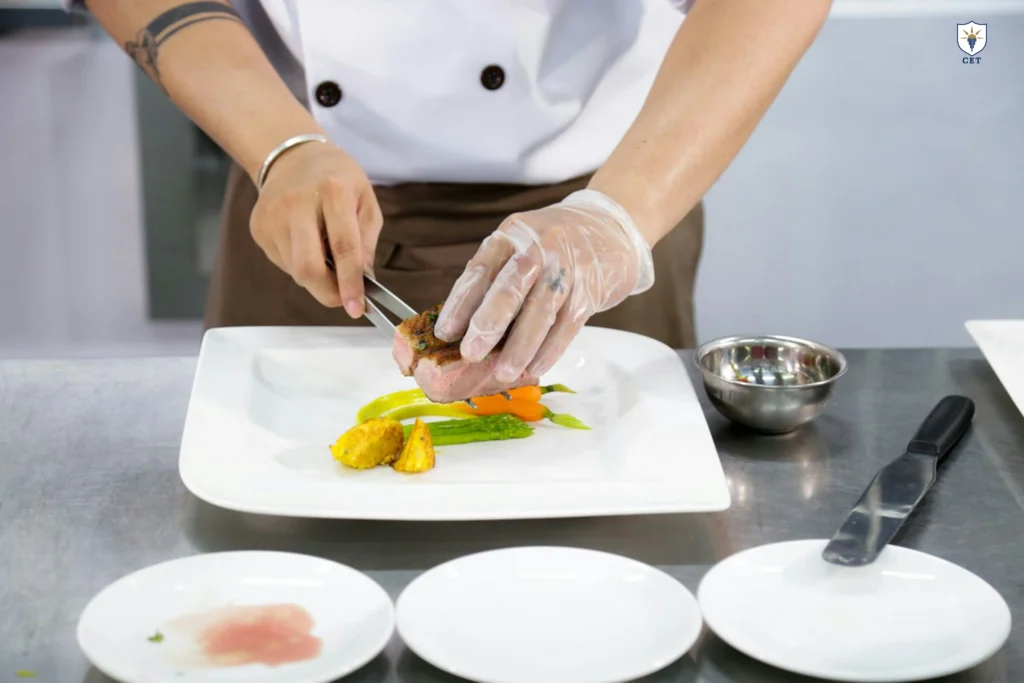
Description: Teach small groups cooking skills at clients’ homes or your kitchen.
Why It’s Profitable: People want hands-on experiences and are willing to pay for convenience.
Step-by-Step:
- Develop themed classes (e.g., pasta, desserts).
- Keep groups small for personalized attention.
- Offer take-home recipe kits.
Startup Costs: $200–$1,000.
Monetization: Class fees, ingredient kits, online follow-up courses.
13. Online Cooking Courses
Description: Create pre-recorded or live online courses.
Why It Works: Digital products scale easily without physical delivery.
Step-by-Step:
- Record high-quality videos of your recipes.
- Offer beginner to advanced courses.
- Market on social media, YouTube, or Udemy.
Startup Costs: $300–$1,500 (camera, lighting, editing software).
Monetization: Course fees, affiliate links for ingredients or tools.
14. Private Event Catering
Description: Cater weddings, birthdays, and corporate events.
Why It Works: Events often pay premium rates for high-quality food and service.
Step-by-Step:
- Build a portfolio with tasting events.
- Network with event planners and venues.
- Offer customizable menus.
Startup Costs: $1,000–$5,000 (equipment, staff, ingredients).
Monetization: Event fees, beverage packages, dessert add-ons.
15. Personal Chef Subscription Boxes
Description: Curate weekly or monthly boxes with ready-to-cook meals or specialty ingredients.
Why It’s Profitable: Subscription boxes create recurring revenue and customer loyalty.
Step-by-Step:
- Source high-quality ingredients.
- Package attractively with instructions.
- Offer themed boxes: keto, vegan, comfort food.
Startup Costs: $500–$2,000.
Monetization: Subscription fees, premium upgrades.
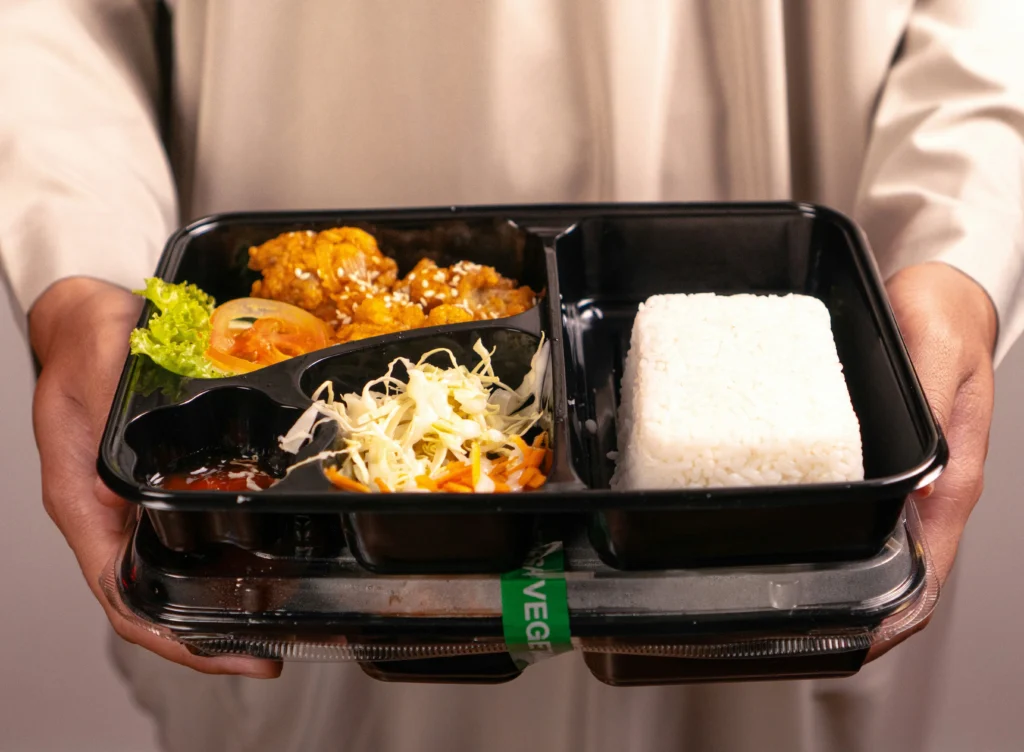
16. Meal Kits with Local Ingredients
Description: Offer meal kits featuring locally sourced, fresh ingredients.
Why It Works: Farm-to-table trends attract customers who value freshness and sustainability.
Step-by-Step:
- Partner with local farms.
- Include recipe cards and cooking instructions.
- Highlight the origin of ingredients for storytelling.
Startup Costs: $600–$2,000.
Monetization: Subscription boxes, one-time kit sales.
17. Food Blogging and Recipe Monetization
Description: Share recipes, cooking tips, and niche content online.
Why It Works: Monetization through ads, affiliate links, and sponsorships is scalable.
Step-by-Step:
- Create a blog with SEO-friendly recipes.
- Use social media for promotion.
- Offer downloadable recipe books or guides.
Startup Costs: $100–$500 (domain, hosting, tools).
Monetization: Ads, affiliate marketing, sponsored posts.
18. YouTube Cooking Channel
Description: Share videos of recipes, tips, and cooking tutorials.
Why It Works: Video content reaches a large audience and can generate ad revenue.
Step-by-Step:
- Develop a content schedule.
- Focus on niche topics like vegan, keto, or ethnic cuisine.
- Engage viewers with step-by-step tutorials.
Startup Costs: $300–$1,500 (camera, lighting, editing).
Monetization: Ads, sponsored videos, affiliate products.
19. Social Media Influencer Chef
Description: Build a following on Instagram, TikTok, or Pinterest sharing recipes, tips, and behind-the-scenes content.
Why It Works: Sponsored content, brand partnerships, and product promotion are lucrative.
Step-by-Step:
- Post consistently with high-quality visuals.
- Collaborate with other influencers.
- Engage with followers through stories, reels, and Q&A.
Startup Costs: $200–$1,000.
Monetization: Sponsored posts, affiliate links, brand deals.
20. Cookbook and Digital Recipe Sales
Description: Compile recipes into a book or eBook for sale.
Why It Works: Digital products are scalable with low ongoing costs.
Step-by-Step:
- Test recipes and ensure clarity.
- Design a visually appealing layout.
- Sell on Amazon, Etsy, or your website.
Startup Costs: $100–$500.
Monetization: Book sales, print-on-demand, affiliate recipes.
21. Corporate Wellness Chef Programs
Description: Provide healthy cooking workshops, meal planning, and tasting sessions for corporate wellness programs.
Why It Works: Companies are investing in employee wellness, making this a lucrative niche.
Step-by-Step:
- Partner with HR and wellness coordinators.
- Offer workshops, demo meals, or team-building cooking events.
- Provide ongoing meal consultation services.
Startup Costs: $500–$2,000.
Monetization: Corporate contracts, event fees, follow-up meal planning packages.
Exploring the personal chef industry through niche business ideas can open many doors for passion-driven entrepreneurs. From meal prep for health-conscious clients to creating digital products, there’s room to find a niche that fits your skills, budget, and lifestyle.
Remember, success doesn’t happen overnight. Many chefs start small, refine their offerings, and scale gradually. If you’re just starting, consider experimenting with one niche while building your reputation. Over time, you can expand or pivot based on client feedback and demand.
Taking the first step is often the hardest, but it’s also the most important. Share your progress, learn from mistakes, and celebrate small wins. If you’d like to explore more profitable niches beyond personal chef services, Nichejar.com has plenty of resources to guide you.
Ultimately, perseverance, consistency, and a humble approach can turn your passion for cooking into a rewarding career.
TLDR
In short:
- Focus on niches like healthy meal prep, vegan or keto meals, family-focused cooking, and ethnic cuisine.
- Explore digital opportunities: online courses, food blogging, YouTube, and cookbooks.
- Consider premium services: private dinners, event catering, and corporate wellness programs.
- Use subscription models or recurring clients for stable income.
- Start small, refine offerings, and scale gradually.