- Senia
- 0 Comments
- 3125 Views
Sometimes the best business ideas come from skills we already use every day. If you’ve ever wondered how to turn your passion for fitness into something more focused, these 20+ niche business ideas in the personal training industry might offer a path forward. From what I’ve seen, niche fitness services often grow faster because they speak to real needs. This could be a helpful place to start if you’re looking for your own direction.
The personal training world has grown far beyond traditional one-on-one gym sessions. Today, everyday people are carving out their own paths by choosing very specific niches that solve real problems—from postpartum mobility support to strength training for seniors. I believe this matters because, for many of us, breaking into the fitness industry can feel overwhelming. But when you niche down, you don’t have to compete with big gyms or influencers. Instead, you get to focus on a smaller group of people who genuinely need your help.
From what I’ve seen, niche businesses tend to be more sustainable because they build trust faster. Clients feel understood. They stay longer. They refer their friends. And the good thing is, you don’t need a huge budget or complicated equipment to get started. Many profitable personal training niches can be built from home, in parks, online, or even inside community centers.
This guide walks you through 20+ niche business ideas to pursue in the personal training industry, including how they work, who they serve, how to start, and the challenges you might face along the way. I’ve added step-by-step instructions, startup cost estimates, monetization ideas, and simple success examples to make each idea easier to imagine. My hope is that one of these sparks something for you.
1. Fitness Programs for New Mothers
Overview: Postpartum women often need targeted guidance for safe and effective fitness. Programs that focus on core recovery, strength rebuilding, and flexibility can be highly valuable.
Insights: With more women seeking professional support after childbirth, this niche has growing demand. Social media communities and parenting groups are great places to promote services.
Step-by-Step Guide:
- Step 1: Get certified in pre/postnatal fitness.
- Step 2: Design 8-12 week programs targeting postpartum recovery.
- Step 3: Offer group or one-on-one sessions, online or offline.
- Step 4: Create content (blogs/videos) to showcase expertise.
Challenges & Solutions: Scheduling sessions around mothers’ routines can be tricky. Offering flexible online sessions or short 20-30 minute workouts helps.
Startup Costs: $500-$2,000 for certification and equipment.
Monetization: Paid programs, online subscriptions, affiliate partnerships with maternity brands.
Example: “FitMom Online” grew from a small Instagram following to over 500 clients within a year by offering virtual programs and community support.

2. Senior Fitness Coaching
Overview: Tailored programs for seniors focus on mobility, balance, and joint health.
Insights: The aging population is increasing globally, creating steady demand for trained professionals.
Step-by-Step Guide:
- Obtain certifications in senior fitness.
- Partner with community centers or retirement homes.
- Offer low-impact group classes or personalized sessions.
Challenges & Solutions: Health conditions may vary. Conduct initial assessments and consult with doctors before creating programs.
Startup Costs: $300-$1,000 for certifications, minimal equipment needed.
Monetization: Monthly memberships, workshops, and private coaching.
Example: “SilverFit Studio” offers small group classes for seniors and has maintained consistent revenue with minimal marketing.
3. Online Personal Training Services
Overview: Deliver coaching via apps, video calls, or custom programs.
Insights: With remote work increasing, more clients prefer virtual options.
Step-by-Step Guide:
- Choose a platform (Zoom, Trainerize, or Kajabi).
- Create fitness plans and track client progress digitally.
- Market on social media or through email newsletters.
Challenges & Solutions: Client retention can be harder online. Regular check-ins and community building improve engagement.
Startup Costs: $100-$500 for software and digital tools.
Monetization: Subscription plans, one-on-one sessions, or pay-per-program models.
Example: “VirtualFit Coach” scaled to 200+ clients using Instagram marketing and personalized training videos.

4. Corporate Wellness Programs
Overview: Offer fitness and wellness programs tailored to employees.
Insights: Companies are increasingly investing in employee health to reduce absenteeism.
Step-by-Step Guide:
- Approach HR departments with wellness proposals.
- Offer weekly fitness classes or wellness workshops.
- Include stress management, nutrition, and ergonomic guidance.
Challenges & Solutions: Corporate budgets may be limited. Start small with pilot programs to prove ROI.
Startup Costs: $0-$1,000 depending on materials and travel.
Monetization: Per-employee fees, corporate contracts, wellness consultations.
Example: A trainer offering office yoga classes secured 3 corporate clients in the first 6 months.
5. Virtual Group Classes
Overview: Conduct group fitness classes online via live streaming.
Insights: Virtual classes reduce overhead and allow access to clients globally.
Step-by-Step Guide:
- Pick a streaming platform (Zoom, Facebook Live).
- Schedule classes and create membership tiers.
- Promote via social media ads or fitness forums.
Challenges & Solutions: Engagement may drop without personal touch. Use breakout rooms, challenges, or interactive polls.
Startup Costs: $50-$300 for equipment and streaming tools.
Monetization: Subscription fees, one-time class passes, or merchandise upsells.
Example: “FitFromHome” runs weekly virtual HIIT sessions and has built a community of 1,000+ paying members.

6. Sports-Specific Training
Overview: Focused programs for athletes looking to improve skills in a specific sport, such as soccer, tennis, or swimming.
Insights: Parents and amateur athletes are willing to pay for skill improvement programs.
Step-by-Step Guide:
- Choose a specific sport.
- Study and design sport-specific training programs.
- Offer workshops, online coaching, and private sessions.
Challenges & Solutions: Competing with established coaches. Focus on local marketing and clubs.
Startup Costs: $500–$2,000
Monetization: Hourly sessions, workshops, online courses
Example: A soccer coach for kids created a waitlist of several months due to high demand.
7. Pre/Post-Surgery Rehabilitation
Overview: Help clients safely recover before and after surgery with targeted programs.
Insights: Hospitals and physiotherapists often refer clients to certified rehab trainers.
Step-by-Step Guide:
- Obtain rehabilitation certifications.
- Collaborate with doctors and physiotherapists.
- Design phased recovery programs.
Challenges & Solutions: Safety is critical. Always consult with medical professionals.
Startup Costs: $500–$1,500
Monetization: Private sessions, rehab group classes, clinic partnerships
Example: “RehabFit” started small with a few clients and grew through referrals.

8. Home Gym Setup Consultation
Overview: Advise clients on creating effective home gyms tailored to their space and goals.
Insights: With home workouts on the rise, people are willing to pay for customized setups.
Step-by-Step Guide:
- Assess the client’s space and goals.
- Recommend equipment based on budget.
- Teach correct use and maintenance of equipment.
Challenges & Solutions: Equipment cost can be high. Offer scalable solutions or affiliate links.
Startup Costs: $0–$500
Monetization: Consultation fees, equipment commissions
Example: “HomeFit Solutions” grew revenue by combining online consulting and equipment packages.
9. Nutrition Coaching for Athletes
Overview: Combine fitness programs with personalized nutrition plans.
Insights: Athletes need specialized nutrition support, which adds value.
Step-by-Step Guide:
- Obtain a sports nutrition certification.
- Offer personalized meal plans and online consultations.
- Track results and adjust plans accordingly.
Challenges & Solutions: Legal limits for providing nutrition advice. Partner with licensed dietitians if needed.
Startup Costs: $200–$1,000
Monetization: Nutrition packages, monthly subscriptions, supplement sales
Example: A strength coach increased client retention by 30% after adding nutrition guidance.
10. Fitness Challenges and Bootcamps
Overview: Short-term, intensive programs to motivate clients and build community.
Insights: 30-day challenges and bootcamps increase engagement and social accountability.
Step-by-Step Guide:
- Choose a challenge goal or theme.
- Create a daily program with videos or instructions.
- Promote through social media and email campaigns.
Challenges & Solutions: Motivation drops mid-challenge. Use check-ins, leaderboards, or small rewards.
Startup Costs: $100–$500
Monetization: Challenge fees, package upsells, sponsored products
Example: “Fit30 Challenge” converted 20% of participants into regular clients.
11. Mobile Personal Training Services
Overview: Bring fitness sessions to clients’ homes or workplaces for convenience and accessibility.
Insights: Busy clients often prefer trainers who travel to them.
Step-by-Step Guide:
- Define your service area and schedule.
- Carry portable training equipment.
- Promote via local groups and Google My Business.
Challenges & Solutions: Travel time reduces session availability. Optimize routes and group nearby clients.
Startup Costs: $500–$2,000
Monetization: Hourly rates, session packages, online support
Example: “On-the-Go Fitness” started with 10 clients and expanded through referrals.
12. Fitness Content Creation & Blogging
Overview: Create online fitness content to build authority and earn income.
Insights: Blogs, YouTube, and social media generate revenue through ads, collaborations, and digital products.
Step-by-Step Guide:
- Pick a niche (home workouts, yoga, strength training).
- Produce high-quality content consistently.
- Monetize through ads, digital products, and affiliate links.
Challenges & Solutions: Content creation is time-intensive. Batch produce and repurpose content.
Startup Costs: $100–$1,000
Monetization: Sponsored posts, affiliate marketing, digital programs
Example: A trainer built a part-time income through a personal blog and online programs.
13. Adaptive Training for People with Disabilities
Overview: Offer accessible and inclusive fitness programs for clients with mobility challenges or disabilities.
Insights: There are few specialized trainers, creating strong demand.
Step-by-Step Guide:
- Obtain adaptive fitness certification.
- Partner with clinics or disability organizations.
- Design safe, effective programs.
Challenges & Solutions: Programs can be complex. Continuous education and consultation with specialists are key.
Startup Costs: $500–$1,500
Monetization: Private sessions, workshops, grants
Example: An adaptive trainer gained recognition through community programs.
14. Mind-Body Fitness Programs (Yoga/Pilates Fusion)
Overview: Combine mind and body exercises to reduce stress and increase strength.
Insights: Wellness trends increasingly focus on both physical and mental health.
Step-by-Step Guide:
- Get certified in yoga or pilates.
- Design hybrid classes focusing on strength and flexibility.
- Offer online or studio-based sessions.
Challenges & Solutions: Competition exists. Add unique angles like office yoga or stress management.
Startup Costs: $500–$2,000
Monetization: Memberships, workshops, online courses
Example: “ZenFit” attracted 150 participants in its first online program.
15. Adventure & Outdoor Fitness Experiences
Overview: Combine fitness with outdoor activities like hiking, kayaking, or trail running.
Insights: Clients pay a premium for experiential fitness adventures.
Step-by-Step Guide:
- Scout local scenic locations.
- Conduct group sessions or adventure trips.
- Market via social media and blogs.
Challenges & Solutions: Weather and safety. Always have backup plans and insurance.
Startup Costs: $500–$2,000
Monetization: Ticket sales, group packages, sponsorships
Example: Outdoor trainer ran weekend camps with high online promotion success.
16. Weight-Loss Specialization Programs
Overview: Focus on sustainable weight-loss programs combining exercise and nutrition.
Insights: Weight loss remains a top client motivation.
Step-by-Step Guide:
- Conduct initial assessments and set realistic goals.
- Combine exercise routines with diet guidance.
- Use online groups for accountability.
Challenges & Solutions: Unrealistic expectations. Educate clients on gradual, sustainable progress.
Startup Costs: $500–$1,500
Monetization: Packages, online courses, digital meal plans
Example: A female-focused weight-loss trainer increased revenue by 40% within a year.
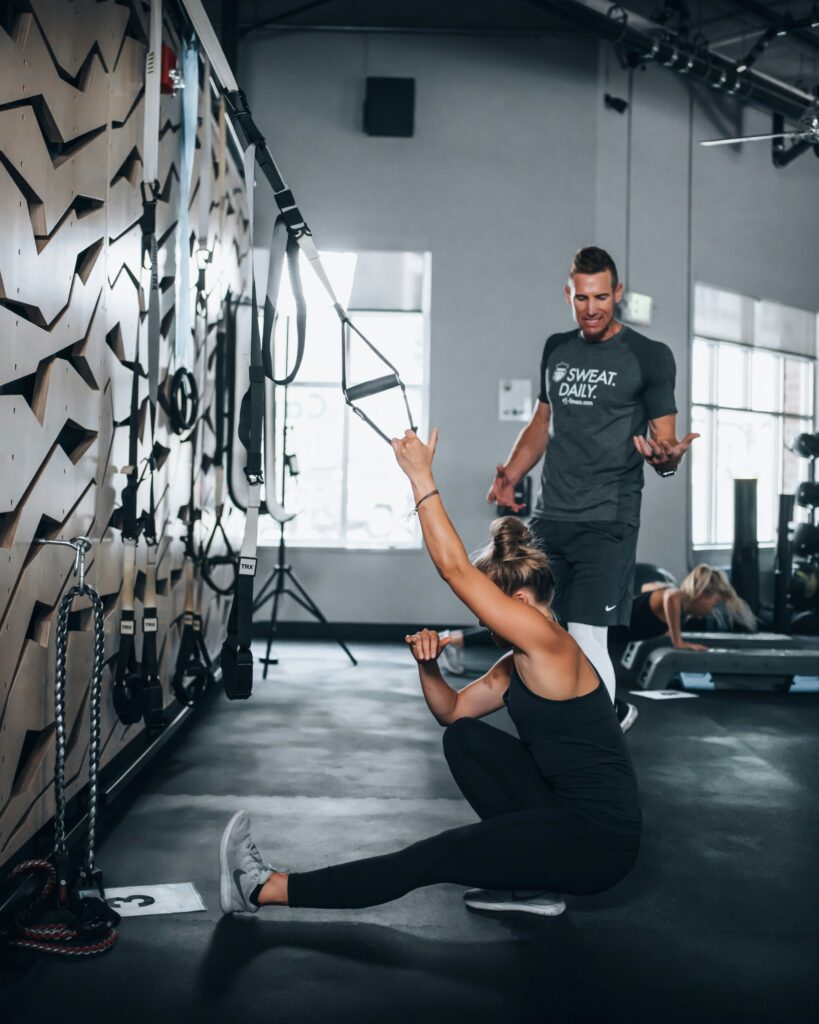
17. Fitness for Busy Professionals
Overview: Short, efficient workouts for time-strapped clients.
Insights: Convenience and flexibility are key for this audience.
Step-by-Step Guide:
- Design 20–30 minute sessions.
- Offer online or on-site sessions.
- Track progress and provide motivational tools.
Challenges & Solutions: Lack of time can lower adherence. Use reminders and check-ins.
Startup Costs: $100–$500
Monetization: Session packages, subscriptions, corporate collaborations
Example: “QuickFit” gained traction via LinkedIn promotions.
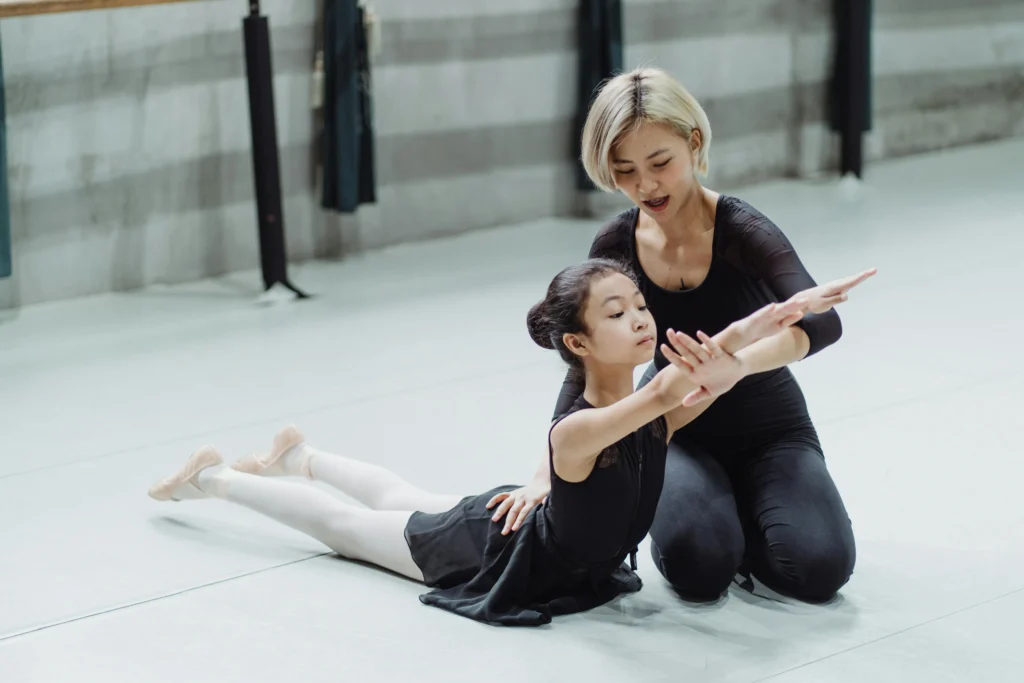
18. Children and Teen Fitness Programs
Overview: Teach healthy habits and athletic skills to kids and teens.
Insights: Parents want programs that are both fun and educational.
Step-by-Step Guide:
- Create age-appropriate exercises.
- Include healthy eating education.
- Offer after-school or weekend classes.
Challenges & Solutions: Safety is critical. Proper supervision and insurance required.
Startup Costs: $300–$1,500
Monetization: Classes, camps, online programs
Example: Trainer partnered with local schools to build a steady client base.
19. Fitness Merchandise & Branded Products
Overview: Sell branded fitness products like apparel, resistance bands, or water bottles.
Insights: Adds a revenue stream alongside coaching services.
Step-by-Step Guide:
- Design and produce branded products.
- Use print-on-demand or local manufacturing.
- Market through your client base and social media.
Challenges & Solutions: High competition. Emphasize quality and personal branding.
Startup Costs: $500–$2,000
Monetization: Product sales, combo packages, online store
Example: Trainer sold resistance bands while running online programs, boosting income.
20. Fitness Retreats and Workshops
Overview: Offer immersive, small-group fitness experiences.
Image suggestion: Group fitness retreat session outdoors with scenic backdrop.
Alt: Small group participating in an outdoor fitness retreat session.
Insights: Clients value experiences combining travel, health, and community.
Step-by-Step Guide:
- Select location and design daily schedule.
- Partner with hotels or studios.
- Market via email lists and social media.
Challenges & Solutions: High upfront cost. Offer early-bird or group discounts.
Startup Costs: $2,000–$10,000
Monetization: Ticket sales, sponsorships, coaching packages
Example: Yoga trainer hosted weekend retreats that sold out through online promotions.
21. Hybrid Coaching Models (Mix of Online + Offline)
Overview: Combine in-person and online coaching for flexibility and scalability.
Insights: Multi-channel options increase client retention and accessibility.
Step-by-Step Guide:
- Offer an online program alongside in-person sessions.
- Use apps to track progress and manage schedules.
- Implement membership models for continuous engagement.
Challenges & Solutions: Scheduling both session types can be tricky. Limit client numbers and plan carefully.
Startup Costs: $500–$1,500
Monetization: Subscriptions, package deals, online courses
Example: Hybrid trainer doubled revenue while reducing in-person hours.
Finding the right niche in the personal training industry takes patience, and I believe that’s completely normal. Each idea in this guide offers its own path, and none of them require a perfect setup to begin. If you’re just starting out, it might help to choose one idea that feels close to your strengths, test it with a few people, and slowly build from there. Most trainers I’ve spoken with say their success came from consistency rather than perfection.
If you’d like to explore more niche ideas, feel free to browse other guides on Nichejar.com. I’ve always felt that learning from different fields can spark new ideas, and maybe one more perspective could give you the momentum you need. Remember, every journey starts small, and yours can start today—even with one simple step.
I’d love to hear which niche idea stood out to you, so feel free to share your thoughts or questions. Wishing you steady progress and patience on the path ahead.
TLDR
In short:
- Consider niches like senior fitness, postpartum coaching, corporate wellness, form-correction coaching, youth athletic development, and minimal-equipment home training.
- Each niche offers unique income options, from subscriptions to in-person sessions.
- Startup costs are usually low ($0–$600).
- Niche training helps you avoid overwhelm and build deeper trust with clients.
- Small, steady steps—like free workshops or simple check-ins—can help you gain momentum.
- These ideas fit beginners, part-time trainers, or experienced professionals wanting to specialize.