- Senia
- 0 Comments
- 2473 Views
Have you ever wondered if your love for toys could turn into a real business? 20+ Toy Business Niche Ideas for Kid-at-Heart Entrepreneurs might just inspire you to explore a creative, fun, and profitable path. From what I’ve seen, many everyday people have successfully turned playful passions into steady income streams—sometimes from the comfort of home. Let’s dive into ideas that could spark both joy and profit.
Toys aren’t just for kids—they carry nostalgia, creativity, and endless opportunities for business-minded entrepreneurs. If you’re reading this, you might be someone who still feels that childlike excitement when you see a new puzzle, collectible, or game. That excitement can actually translate into a profitable venture. 20+ Toy Business Niche Ideas for Kid-at-Heart Entrepreneurs explores a range of niches, each offering potential for money-making and creative fulfillment.
From what I’ve seen, starting a toy-related business can be approachable even if you’ve never sold a product before. Some ideas require minimal investment, while others are more advanced, but each one shares a common trait: they allow you to connect with an audience who values fun, nostalgia, or learning through play. These niches tap into current trends, from educational toys to collectibles, and even eco-friendly or DIY options that resonate with conscientious buyers.
In this post, I aim to walk you through realistic ways to start each business, share insights into potential challenges, and provide practical tips for scaling. You’ll find step-by-step guides, estimated startup costs, monetization strategies, and examples of entrepreneurs who’ve successfully navigated these niches. My goal is to help you consider what might work best for your skills, budget, and interests.
1. Handmade and DIY Toys
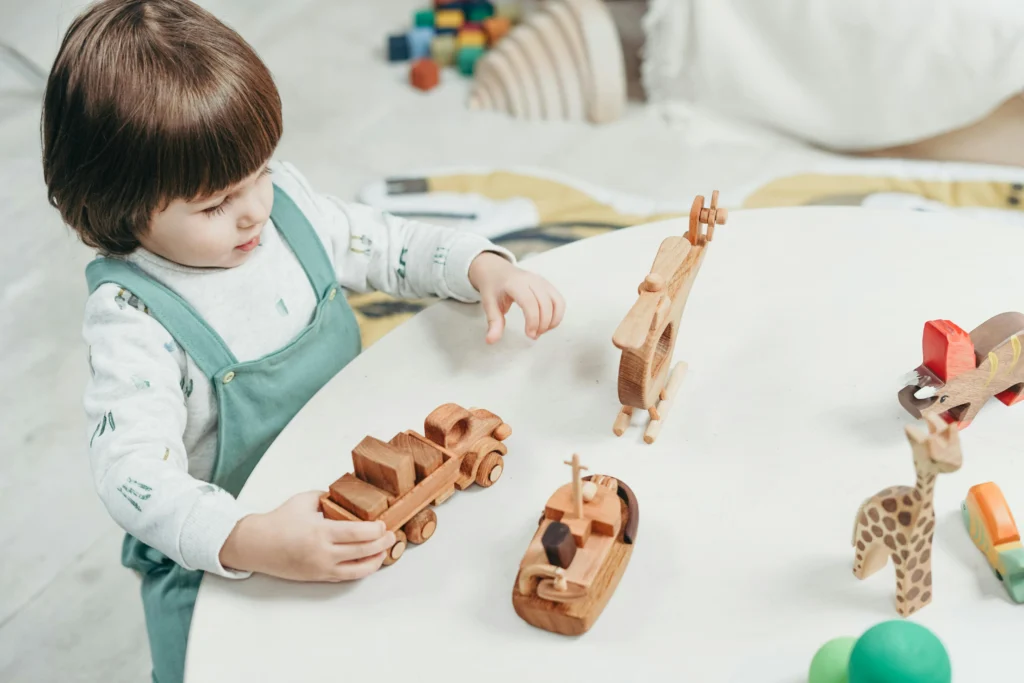
Description: Handmade toys, like wooden blocks, fabric dolls, or sensory kits, appeal to parents seeking unique, safe, and artisanal options.
Why It’s Profitable: Consumers increasingly value craftsmanship and the story behind products. Handmade toys often command higher prices than mass-produced items.
How to Start:
- Identify your craft skill (woodworking, sewing, 3D printing).
- Source safe, child-friendly materials.
- Create 5–10 initial products to test demand.
- Set up an Etsy store or Shopify site.
Challenges & Solutions:
- Time-intensive: batch production can help.
- Marketing reach: partner with mom blogs or local toy fairs.
Startup Cost: $200–$1,000 depending on materials and tools.
Monetization: Direct sales online, local markets, workshops.
Case Study: A parent in Oregon began sewing felt animals at home and now sells over 500 units per month on Etsy.
2. Educational and STEM Toys
Description: Toys that teach science, technology, engineering, or math concepts—think coding kits, building sets, or chemistry kits.
Why It’s Profitable: Parents and educators are always looking for ways to make learning engaging. STEM toys often have higher perceived value.
How to Start:
- Research trending STEM topics.
- Partner with suppliers or design kits yourself.
- Launch small-scale kits for testing.
- Use social media to demonstrate educational value.
Challenges: Ensuring safety and age-appropriateness.
Startup Cost: $500–$2,000 for prototyping and materials.
Monetization: Product sales, online courses, educational bundles.
Case Study: A small STEM kit startup grew from local craft fairs to selling in specialty stores nationwide.
3. Collectibles and Nostalgia Toys
Description: Items like action figures, vintage board games, and retro toys cater to adults seeking nostalgia.
Why It’s Profitable: Adult collectors are willing to pay a premium for rare or limited-edition items.
How to Start:
- Source rare or collectible toys from flea markets, thrift stores, or online auctions.
- Verify authenticity and quality.
- List on eBay, Amazon, or specialty forums.
Challenges: Identifying valuable items—join collector communities for guidance.
Startup Cost: $100–$500 to start small.
Monetization: Resale, online marketplaces, subscription boxes.
Case Study: A hobbyist in New York turned weekend toy hunts into a profitable eBay store selling retro toys.

4. Eco-Friendly and Sustainable Toys
Description: Toys made from sustainable materials, like bamboo, recycled plastics, or organic fabrics.
Why It’s Profitable: Parents increasingly prioritize eco-conscious purchases.
How to Start:
- Research sustainable suppliers.
- Focus on simple, high-demand products.
- Highlight eco-friendly certifications.
Challenges: Cost of materials—price appropriately and educate customers.
Startup Cost: $300–$1,500.
Monetization: E-commerce sales, B2B sales to eco-friendly shops.
Case Study: A Canadian entrepreneur sells bamboo blocks online and through eco-friendly boutiques.
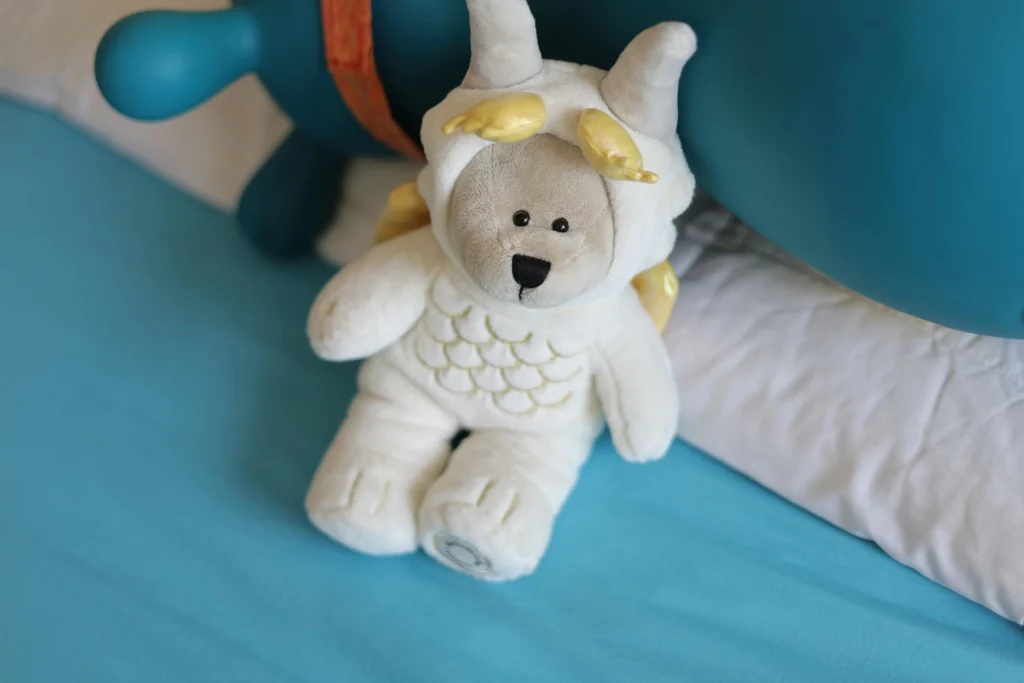
5. Personalized and Customized Toys
Description: Toys with custom names, colors, or designs. Examples include personalized dolls, puzzles, and stuffed animals.
Why It’s Profitable: People love gifts that feel unique, and parents enjoy giving children something personal.
How to Start:
- Use laser engraving, embroidery, or print-on-demand services.
- Set up a website showcasing customization options.
- Offer limited-time themes for holidays.
Challenges: Fulfillment logistics—start small to manage orders efficiently.
Startup Cost: $100–$800 for equipment or partnerships with print-on-demand suppliers.
Monetization: Direct online sales, gift bundles, seasonal promotions.
Case Study: A small Etsy shop in Texas grew to 1,000 monthly orders by offering personalized stuffed animals.
Image Alt Suggestion: Personalized plush toy with child’s name.
6. Subscription Boxes for Kids
Description: Monthly boxes containing toys, craft kits, or educational items delivered to subscribers.
Why It’s Profitable: Recurring revenue, predictable cash flow, and high engagement.
How to Start:
- Curate 4–6 toys or items per month.
- Partner with local toy makers for unique products.
- Launch a website with subscription management tools.
Challenges: Retention—keep offerings fresh and engaging.
Startup Cost: $500–$2,000 for initial inventory and packaging.
Monetization: Subscription fees, upsells, affiliate products.
Case Study: A mompreneur in Florida started a STEM subscription box, now with 1,500 monthly subscribers.
7. Toy Rental Services
Description: Renting high-quality or educational toys for a monthly fee.
Why It’s Profitable: Families can access expensive toys affordably, reducing clutter.
How to Start:
- Stock durable, popular toys.
- Implement a website for rental scheduling and payments.
- Offer delivery or pickup services.
Challenges: Wear and tear—set clear rental policies.
Startup Cost: $1,000–$5,000 for initial inventory.
Monetization: Monthly rental fees, late fees, insurance upsells.
Case Study: A small service in California rents educational toys and keeps a 90% customer retention rate.
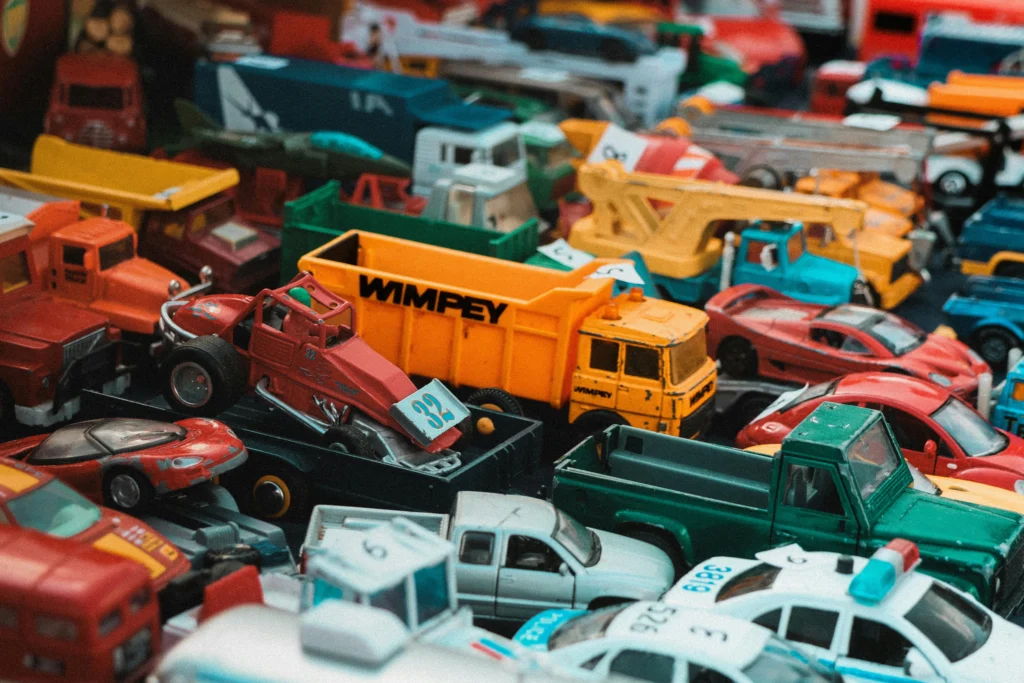
8. Vintage and Second-Hand Toys
Description: Buying and reselling pre-loved toys that are in good condition or collectible.
Why It’s Profitable: People love nostalgia, and vintage items can appreciate in value.
How to Start:
- Hunt thrift stores, garage sales, and flea markets.
- Clean and repair items.
- Sell online or at collector events.
Challenges: Verifying authenticity—learn from online guides and collector communities.
Startup Cost: $50–$500.
Monetization: Resale online, flea market stalls, collectible auctions.
Case Study: A hobbyist in the UK turned weekend thrift hunts into a small online store generating $1,500 monthly.
9. Digital and App-Based Toys
Description: Creating interactive apps, games, or digital toys for tablets and phones.
Why It’s Profitable: Digital play is growing, with global mobile app spending increasing yearly.
How to Start:
- Learn basic coding or partner with developers.
- Focus on safe, educational, or entertaining apps.
- Market through app stores and parent blogs.
Challenges: High competition—niche ideas or gamified learning apps stand out.
Startup Cost: $500–$5,000 depending on complexity.
Monetization: Paid apps, in-app purchases, subscription models.
Case Study: A small indie developer created a digital puzzle app for kids, earning steady revenue from in-app purchases.
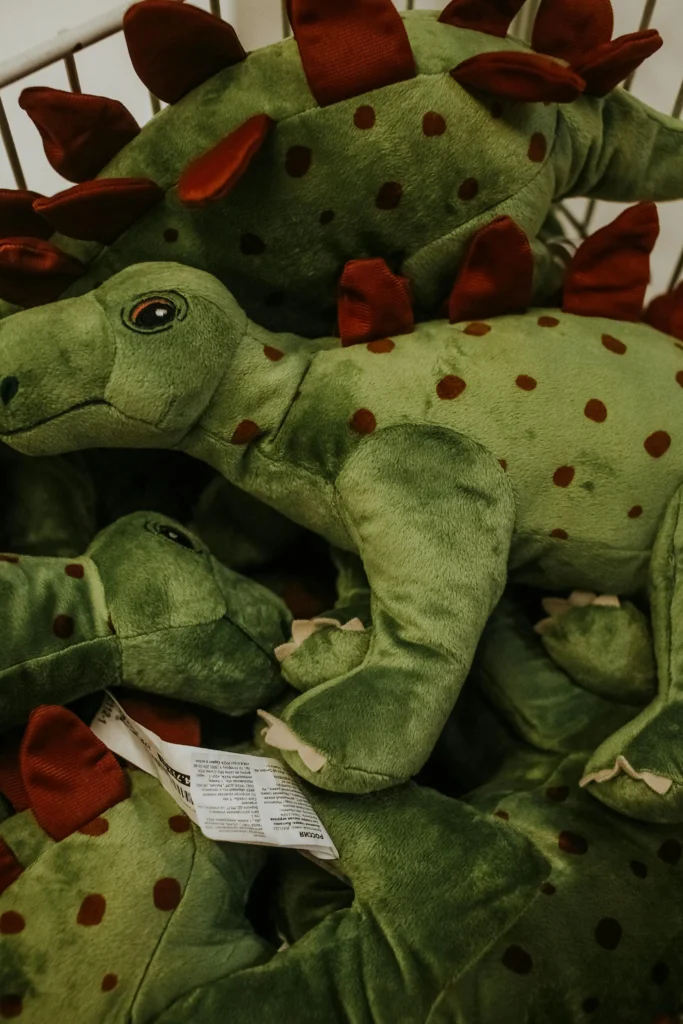
10. Plush Toys and Dolls
Description: Stuffed animals and dolls never go out of style, especially with unique designs or licensed characters.
Why It’s Profitable: They appeal to both children and adult collectors.
How to Start:
- Source manufacturers for small runs or make handmade versions.
- Focus on a niche theme: animals, fantasy, or educational characters.
- Sell online or at local markets.
Challenges: Competing with big brands—unique designs help.
Startup Cost: $300–$1,500.
Monetization: Online sales, wholesale to small shops, seasonal promotions.
Case Study: A boutique toy store in New York grew a plush line into a 6-figure revenue stream within two years.
11. Puzzle and Board Game Businesses
Description: Creating unique puzzles, board games, or escape-room kits.
Why It’s Profitable: The market for family-friendly games and brain teasers continues to expand.
How to Start:
- Design prototypes and test with small groups.
- Source manufacturing or print-on-demand services.
- Launch on Kickstarter or Etsy.
Challenges: Product development—start small to refine ideas.
Startup Cost: $500–$2,000.
Monetization: Game sales, bundles, licensing opportunities.
Case Study: A couple in Canada launched a trivia board game that gained national attention via Kickstarter.
12. Toy Repair and Restoration
Description: Fixing broken or vintage toys for resale or collectors.
Why It’s Profitable: Many people value restored items but lack the skills or tools.
How to Start:
- Learn repair skills (electronics, sewing, or woodworking).
- Offer services locally or online.
- Market via social media and collector forums.
Challenges: Repair complexity—start with simple toys.
Startup Cost: $100–$500 for tools and materials.
Monetization: Service fees, restored toy sales, consultation.
Case Study: A small shop in Germany specializes in doll restoration, building loyal collector clients.
13. Outdoor and Active Play Products
Description: Toys for physical activity, such as bikes, scooters, or backyard games.
Why It’s Profitable: Parents invest in toys promoting exercise and outdoor play.
How to Start:
- Source high-quality outdoor products.
- Focus on safety and durability.
- Offer seasonal bundles or kits.
Challenges: Storage and shipping—local sales may reduce complications.
Startup Cost: $500–$2,500.
Monetization: Retail sales, rental options, seasonal promotions.
Case Study: A startup in Australia rented outdoor games for birthday parties, now selling kits online.
14. Toy Influencer and Content Creation
Description: Reviewing, showcasing, or unboxing toys on YouTube, TikTok, or blogs.
Why It’s Profitable: Monetization comes from ad revenue, sponsorships, and affiliate links.
How to Start:
- Pick a niche: collectibles, STEM toys, or educational content.
- Consistently post high-quality videos or articles.
- Engage with your audience authentically.
Challenges: Building trust and consistency—start small and grow gradually.
Startup Cost: $100–$500 for basic recording equipment.
Monetization: Affiliate marketing, sponsored content, ad revenue.
Case Study: A creator reviewing STEM kits gained 50k subscribers in a year and monetized through affiliate links.
15. Party and Event Toy Rentals
Description: Renting themed toys, inflatables, or activity stations for birthdays and events.
Why It’s Profitable: Event rentals can command high short-term fees.
How to Start:
- Invest in durable and safe toys.
- Market to local parents, schools, and event planners.
- Offer delivery and setup for convenience.
Challenges: Liability—require signed agreements and insurance.
Startup Cost: $1,000–$5,000 for initial inventory.
Monetization: Rental fees, add-on services, repeat clients.
Case Study: A mom in Texas rents princess and superhero inflatables, earning a stable supplemental income.
16. Licensing and Branded Toys
Description: Creating toys under a licensed brand or collaborating with content creators.
Why It’s Profitable: Branded products often sell faster due to recognition.
How to Start:
- Obtain licensing agreements.
- Partner with manufacturers for small batches.
- Target existing fan communities.
Challenges: Licensing costs—start with smaller or independent brands.
Startup Cost: $2,000–$10,000 depending on the brand.
Monetization: Direct sales, wholesale, fan merchandise.
Case Study: A small indie game studio licensed its characters for plush toys, generating extra revenue.
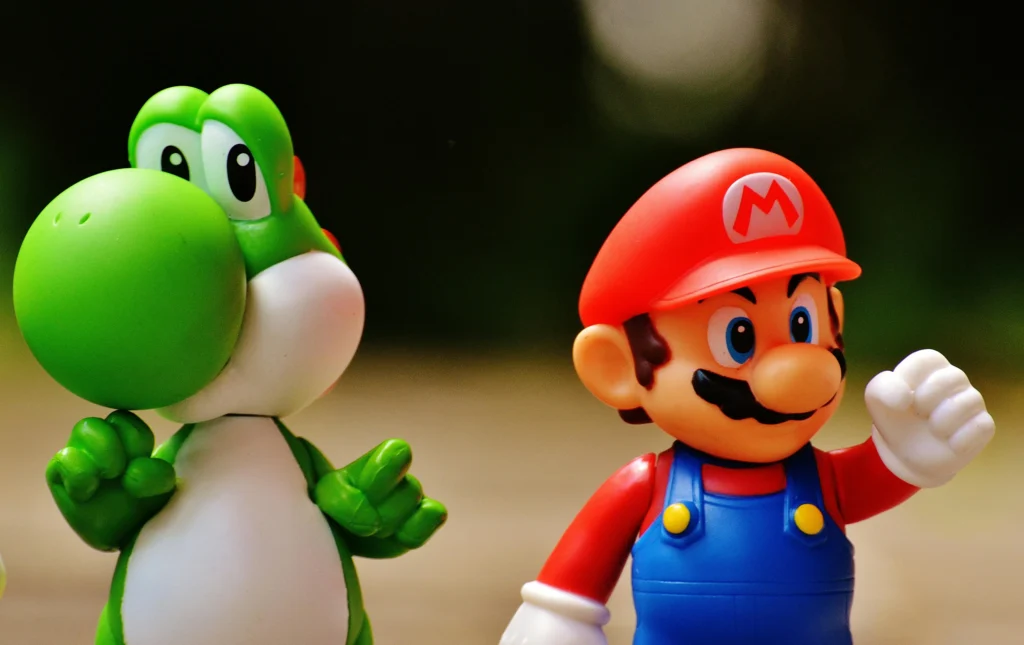
Image Alt Suggestion: Licensed character toys on display.
17. Seasonal and Holiday Toy Markets
Description: Limited-edition toys for holidays, like Christmas or Halloween.
Why It’s Profitable: Scarcity drives demand, and gifting seasons increase sales.
How to Start:
- Research trending holiday items.
- Source or create limited batches.
- Promote via seasonal marketing campaigns.
Challenges: Seasonal dependency—plan cash flow carefully.
Startup Cost: $300–$1,500.
Monetization: Holiday-specific sales, bundled promotions.
Case Study: A small craft business in Germany sells holiday-themed plush toys with high demand in December.
18. Pet-Friendly Toy Niches
Description: Toys designed for pets or interactive play between kids and pets.
Why It’s Profitable: Pet owners spend heavily on engaging toys, and kid-friendly cross-over toys are trending.
How to Start:
- Design safe, durable toys for pets.
- Market to pet owners and families.
- Start with small batches online.
Challenges: Material safety—test thoroughly.
Startup Cost: $200–$1,000.
Monetization: Online sales, subscription boxes, bundles.
Case Study: A US startup sells plush toys that are safe for pets and kids, earning positive reviews and repeat customers.
19. DIY Craft Kits for Kids
Description: Kits containing all materials for kids to create their own toys or crafts.
Why It’s Profitable: Parents value educational and hands-on activities.
How to Start:
- Curate materials for a specific craft.
- Include instructions and safety guidelines.
- Launch through Etsy or subscription models.
Challenges: Complexity—start with simple crafts.
Startup Cost: $150–$700.
Monetization: Direct sales, subscription boxes, workshops.
Case Study: A mompreneur launched a DIY slime kit series, gaining 5,000 monthly sales in a year.
20. Toy Storage and Organization Solutions
Description: Innovative storage solutions for toys—bins, shelves, or playroom organizers.
Why It’s Profitable: Parents often seek stylish, functional ways to manage toy clutter.
How to Start:
- Design or source aesthetically pleasing and safe storage products.
- Market to parents online via social media or parenting blogs.
Challenges: Competing with big-box stores—highlight customization or quality.
Startup Cost: $300–$1,500.
Monetization: Online sales, wholesale, bundles with toys.
Case Study: A small Etsy shop selling themed toy storage bins doubled revenue in two years by offering personalized designs.
21. Specialty Niche Toys (Bonus Ideas)
- Sensory Toys for Kids with Special Needs – $200–$1,000 startup, high demand in specialized communities.
- Travel-Friendly Toys – Compact and durable, ideal for families on the go.
- Miniature Collectibles – Limited editions for collectors.
- Board Game Expansions – Fans love expansions for existing games.
- Cultural or Educational Kits – Toys highlighting history, languages, or global cultures.
Tips: Test each niche with a small batch, engage communities, and be patient—success takes time.
Exploring 20+ Toy Business Niche Ideas for Kid-at-Heart Entrepreneurs shows that turning playful passions into profitable ventures is more realistic than it might seem. From handmade toys to subscription boxes, collectibles, or educational kits, there’s truly something for every skill set, budget, and interest.
Remember, success doesn’t happen overnight. Every entrepreneur starts small, experiments, and learns from early mistakes. From what I’ve seen, the key is consistent effort, listening to your audience, and embracing creativity. Start with one idea that excites you most, test it, refine it, and grow slowly.
If you’re ready, explore other niches on Nichejar.com to see how you can diversify income streams and keep your toy business fresh. Don’t hesitate to share your experiences or ask questions—you never know whose idea might inspire another.
20+ Toy Business Niche Ideas for Kid-at-Heart Entrepreneurs can help you reconnect with the joy of play while building something meaningful. Remember, every journey starts small, but with patience, creativity, and dedication, a playful idea can turn into a rewarding venture.
TLDR
In short:
- Handmade & DIY Toys: Unique, artisanal, sell on Etsy.
- Educational & STEM Toys: Engaging learning kits for kids, high demand.
- Collectibles & Nostalgia Toys: Adults pay premium for rare items.
- Eco-Friendly Toys: Sustainable materials appeal to conscious buyers.
- Personalized Toys: Customizable dolls, puzzles, or plushies.
- Subscription Boxes: Recurring revenue through curated monthly toys.
- Toy Rental Services: Affordable access to high-quality or educational toys.
- Digital Toys & Apps: Interactive apps with in-app purchases or subscriptions.
- Puzzle & Board Games: Family-friendly entertainment, strong growth trend.
- Toy Repair & Restoration: Fixing vintage or broken toys for collectors.
- Other niches: Outdoor toys, pet-friendly toys, DIY craft kits, storage solutions, holiday-specific toys.
These niches offer practical, scalable ways to turn a love for toys into a small business, with realistic startup costs and strategies for monetization.