- Senia
- 0 Comments
- 2574 Views
Have you ever wondered if a simple bar of soap could turn into a meaningful source of income? From what I’ve seen, the handmade soap industry offers more opportunity than many people expect, especially for those looking for low-cost, creative business ideas. If you’ve been curious about niche business ideas in the handmade soap industry, this might be a gentle place to start.
The handmade soap industry may seem small on the surface, but once you look a little closer, it opens up in surprising ways. Many everyday people start with soap making as a hobby—something relaxing to do at home, often inspired by a desire for natural ingredients or fewer chemicals. Over time, that hobby can quietly turn into a practical business opportunity.
From what I’ve noticed, handmade soap businesses work well for beginners because they don’t require a huge upfront investment. You can start small, learn as you go, and slowly refine your products based on feedback. There’s also room to stand out by choosing the right niche. Instead of trying to sell soap to everyone, you focus on serving one specific group really well. That focus often makes marketing simpler and builds trust faster.
Another reason this niche matters is growing consumer interest in natural, ethical, and handmade products. Many buyers are willing to pay a little more for soap that feels personal, thoughtful, and aligned with their values. That doesn’t guarantee success, of course, but it does create space for thoughtful makers who are willing to learn and adapt.
In this guide, I’ll walk through 20+ handmade soap business niche ideas you could explore. For each idea, I’ll share why it might work, who it’s for, how to start step by step, and what challenges to expect. I’ll also include estimated startup costs, monetization options, and small, realistic examples. Nothing here is meant to be a promise of quick success—just practical ideas you can shape in your own way.
1. Organic Ingredient Handmade Soap
This niche focuses on soaps made with certified organic oils, herbs, and additives. From what I’ve seen, customers who care about health often trust small brands more than mass-produced labels.
Why it can be profitable
- Organic buyers are willing to pay more
- Strong demand in farmers’ markets and online
- Works well with storytelling and transparency
How to start
- Source certified organic oils and herbs
- Keep ingredient lists simple and clear
- Sell locally first, then expand online
Challenges & solutions
- Ingredients cost more → Start with fewer SKUs
- Certification confusion → Be honest about what’s organic
Startup cost: £300–£700
Monetization: Direct sales, gift boxes, wholesale
Example: A home-based seller focusing on organic olive oil soap built steady farmers’ market sales before opening an Etsy shop.

2. Soap for Sensitive Skin
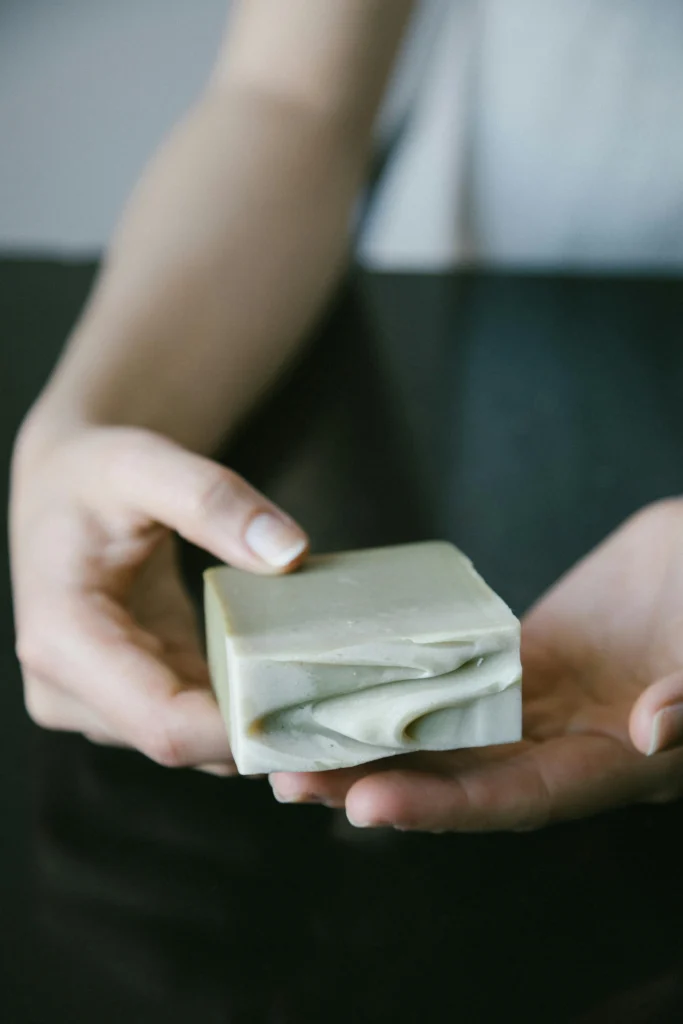
This niche targets people with eczema, allergies, or fragrance sensitivity. I believe this works well because it solves a real problem.
Tips to start
- Use minimal ingredients
- Avoid fragrance and harsh colorants
- Educate customers gently
Monetization: Product sales, repeat buyers
Startup cost: £250–£500
Challenge: Building trust → Share testing and feedback
3. Men’s Grooming Soap
Men’s soaps often focus on rugged scents and skin benefits.
Why it works
- Growing men’s self-care market
- Strong branding opportunities
Steps
- Develop 3–5 bold scents
- Market on social platforms and gift guides
Startup cost: £400–£800
Example: A small brand sold beard soap bundles through Instagram ads.
4. Baby & Toddler Soap
Parents are careful buyers. Trust matters here.
Key tips
- Use pediatric-safe formulations
- Avoid essential oils
- Clear labeling
Startup cost: £300–£600
Challenge: Regulation fear → Start local, research slowly
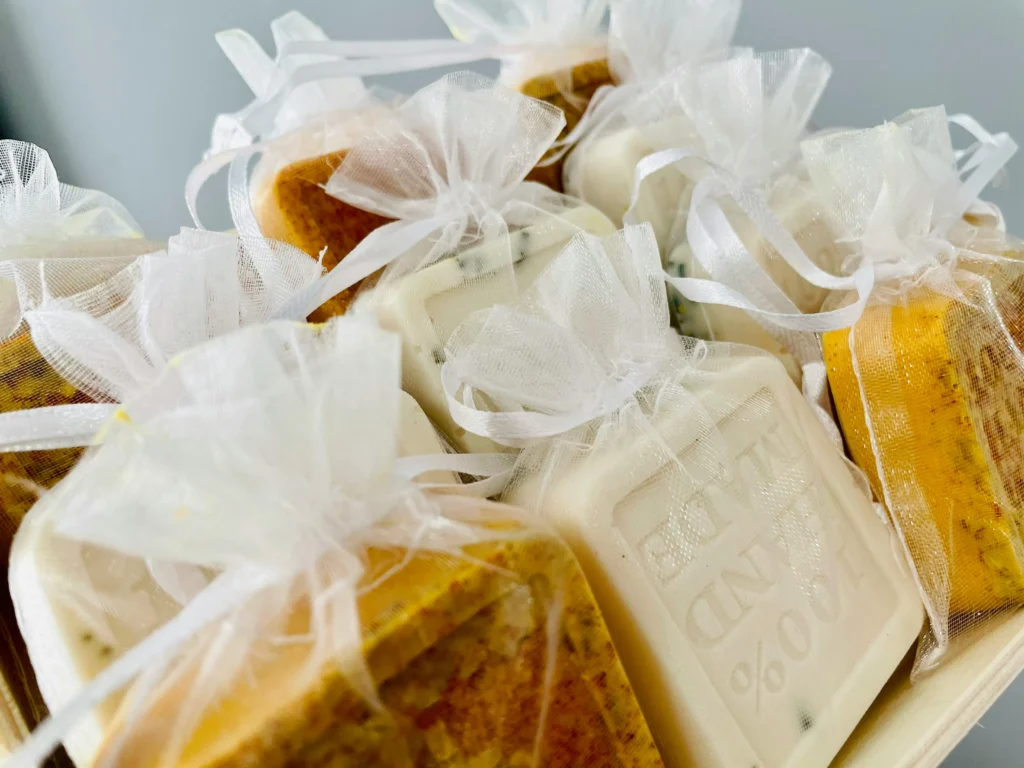
5. Luxury Handmade Soap Gift Sets
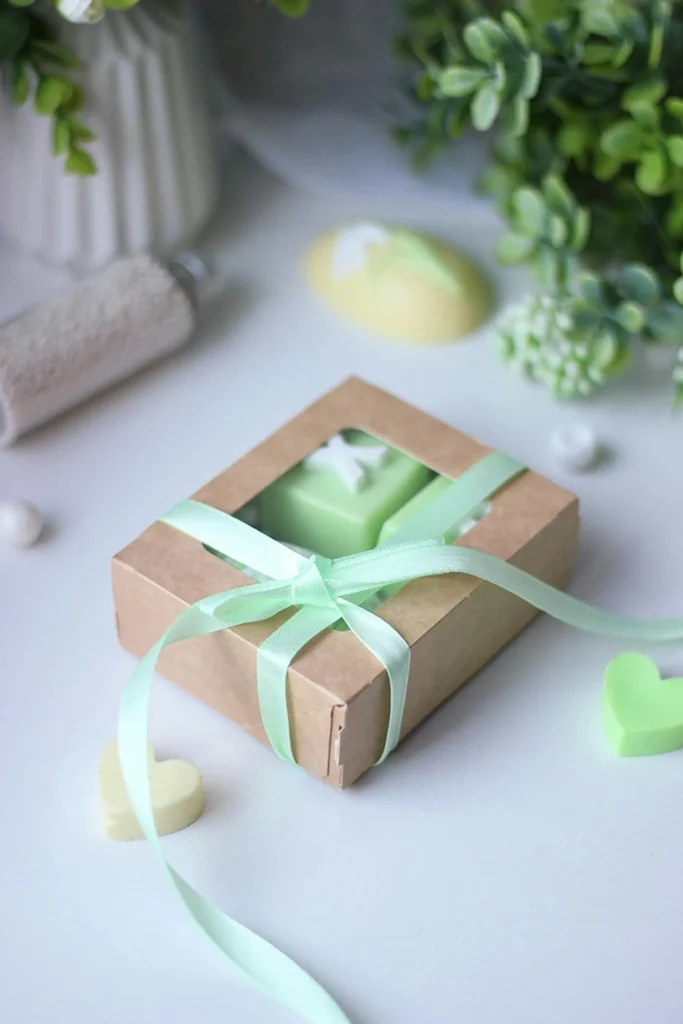
This niche focuses on presentation and gifting.
Why profitable
- High perceived value
- Works well during holidays
Steps
- Simple soap, beautiful packaging
- Partner with local gift shops
Startup cost: £500–£1,000
6. Herbal & Ayurvedic Soap
This niche blends tradition and wellness.
Tips
- Research herbs carefully
- Educate without over-claiming
Startup cost: £400–£700
7. Vegan Handmade Soap
Vegan buyers are loyal when trust is built.
Monetization
- Online sales
- Subscription refills
Startup cost: £300–£600
8. Zero-Waste Soap
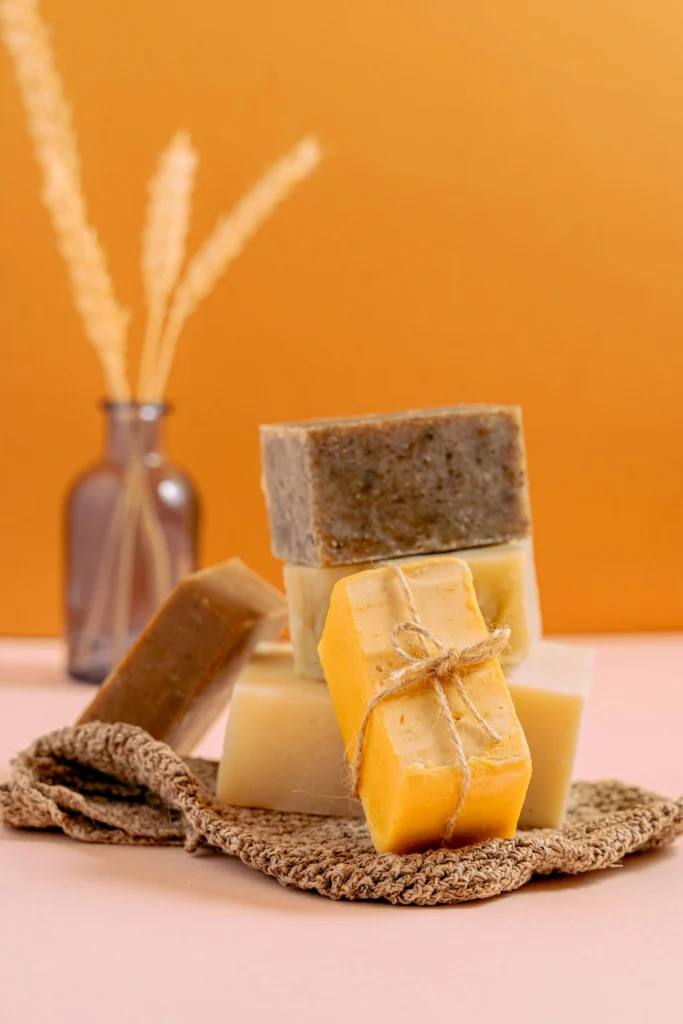
This niche focuses on sustainability.
Challenges
- Packaging sourcing
- Pricing perception
Solution: Educate gently
Startup cost: £350–£700
9. Acne & Problem Skin Soap
Works well with charcoal or clay soaps.
Caution: Avoid medical claims
Startup cost: £300–£600
10. Soap for Outdoor Enthusiasts
This niche solves dirt, odor, and portability.
Tips
- Focus on durability
- Sell at outdoor markets
Startup cost: £400–£800
11. Cultural & Traditional Soap
Think Aleppo-style or heritage recipes.
Why it works
- Story-driven
- Niche audiences
Startup cost: £300–£600
12. Custom Wedding & Event Soap
Great for bulk orders.
Steps
- Offer personalization
- Create sample kits
Startup cost: £500–£900
13. Pet-Friendly Soap
Targets dog owners mostly.
Tip: Vet-safe ingredients
Startup cost: £350–£700
14. Seasonal & Holiday Soap
Limited editions create urgency.
Startup cost: £300–£600
15. Soap for Elderly Skin
Focus on dryness relief.
Startup cost: £300–£500
16. Subscription Soap Boxes
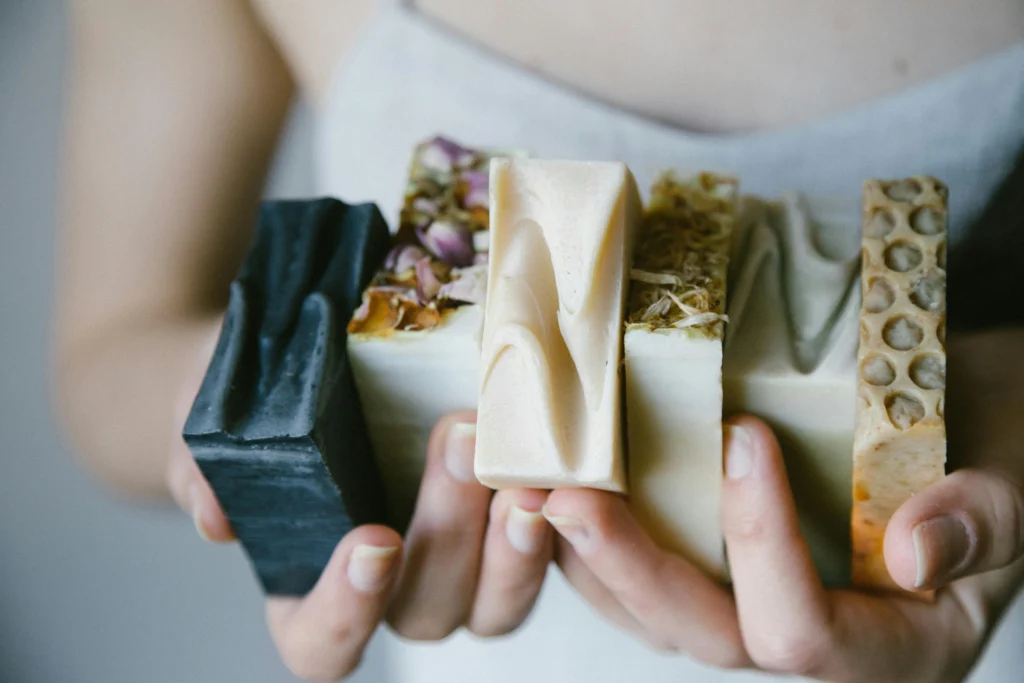
Recurring income model.
Challenge: Retention
Solution: Small surprises
Startup cost: £600–£1,200
17. Farm-to-Bar Soap
Local sourcing builds trust.
Startup cost: £400–£800
18. Aromatherapy Soap
Focus on mood benefits, not cures.
Startup cost: £300–£700
19. Soap for Hotels & Airbnbs
B2B focus.
Startup cost: £700–£1,500
20. Educational Soap-Making Kits
Great for families and gifts.
Startup cost: £500–£1,000
21. Local Artisan Market Soap Brand
Simple and grounded.
Why it works
- Face-to-face trust
- Immediate feedback
Startup cost: £250–£500
If there’s one thing I’ve learned from watching small handmade businesses grow, it’s that progress often comes quietly. The handmade soap industry isn’t about chasing trends every month. It’s about choosing one clear niche, learning your customers, and improving little by little.
You don’t need to start with all 21 ideas. I believe it’s better to pick one that fits your values, budget, and energy level. Start small. Sell locally. Listen more than you talk. From there, opportunities tend to show themselves.
If you’d like to keep exploring practical niche ideas, I gently invite you to browse other guides on Nichejar.com. And if you’ve tried—or are thinking about trying—any of these soap niches, feel free to share your thoughts. We’re all learning as we go.
TLDR
In short:
- Handmade soap offers many profitable niche business ideas
- Organic, sensitive skin, and zero-waste soaps are strong starters
- Gift sets, subscriptions, and B2B soap can scale income
- Most niches start with £250–£800
- Trust, clarity, and patience matter more than perfection
- Local markets are often the best first step
- One focused niche beats many scattered ideas