- Senia
- 0 Comments
- 2725 Views
Many people dream about simplifying life, yet few realize how many business opportunities exist within the minimalist lifestyle niche. If you’ve ever felt drawn to calm spaces, simple products, or intentional living, these 20+ business ideas for the minimalist lifestyle niche might open new doors. From what I’ve seen, even small, thoughtful ideas can grow when they genuinely help people declutter, simplify, and breathe easier. If you’ve been wondering how to turn your love for minimalism into income, this guide might offer the clarity you’ve been looking for.
There’s something refreshing about minimalism. It gives people room to breathe, think, and make space for what matters. Over the past few years, I’ve noticed many people adopting minimalist habits—not only to reduce stress, but also to save money, limit clutter, and reclaim their time. Because of this shift, businesses focused on simplicity and intentional living have quietly become profitable. Many of these opportunities don’t require a large budget or advanced skills. Instead, they grow from a genuine desire to help others make their lives easier.
This guide covers 20+ business ideas for the minimalist lifestyle niche, designed for everyday people who want to start something meaningful. My hope is to share ideas that feel doable, even if you’re just beginning. I’ll walk through each business idea with practical steps, target audiences, monetization options, and simple challenges you may face along the way. I believe this could help because success in this niche often comes from authenticity rather than perfection.
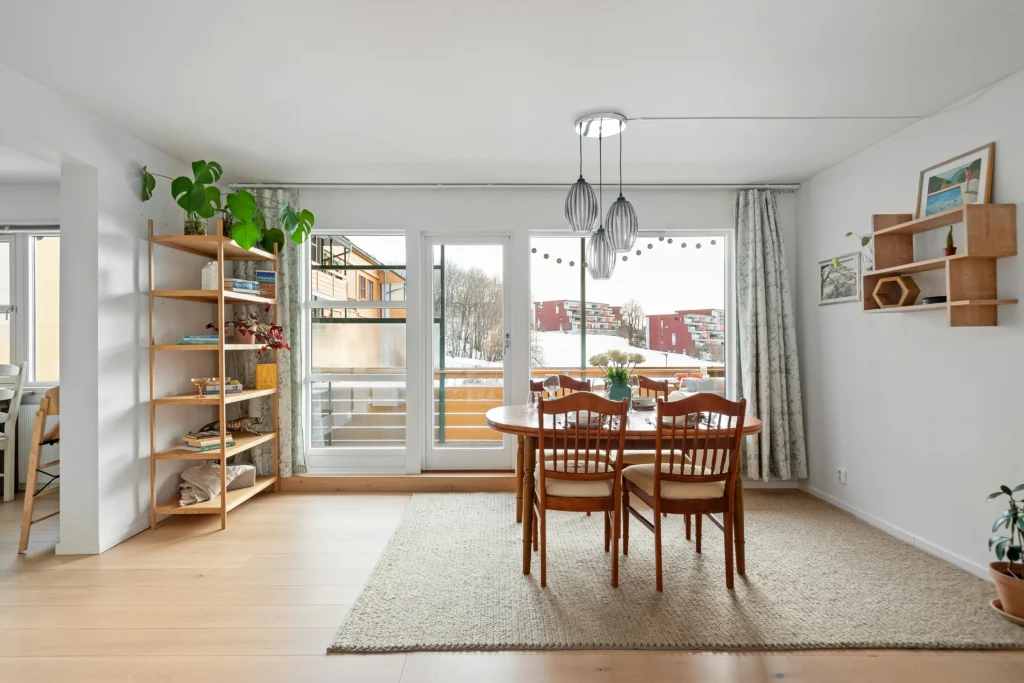
1. Minimalist Home Decluttering Services
Decluttering is one of the core practices of minimalism. Many people want simpler homes but feel overwhelmed by where to start.
Why It’s Profitable
- Growing demand for organization and stress reduction
- Many homeowners prefer hiring help instead of tackling the process alone
How to Start
- Start by offering a single-room package.
- Gather simple tools (labels, baskets, trash bags).
- Create before/after photos to build credibility.
- Advertise locally through Facebook and neighborhood groups.
Startup Costs: $50–$200
Monetization: Service packages, hourly rates, digital guides
Challenge: Clients may feel attached to clutter.
Solution: Encourage small wins and gentle conversations.
Case Study:
A beginner organizer I know started by helping one friend clean out a bedroom. She documented the process on Instagram, and within a month, she had six paying clients.
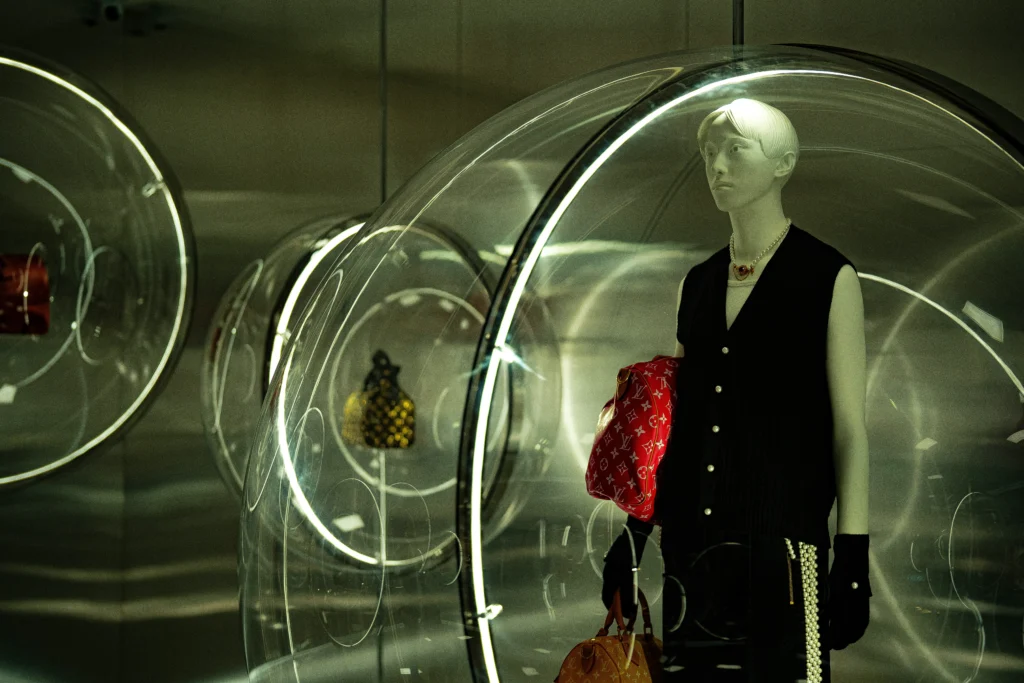
2. Capsule Wardrobe Styling Service
A capsule wardrobe helps people reduce clothing clutter and make faster daily choices.
Why It Works
People want clarity and simplicity in their closets.
How to Start
- Learn color palettes and style basics.
- Offer virtual styling calls.
- Create shoppable lists through affiliate links.
Costs: $0–$150
Monetization: Styling sessions, affiliate earnings
Challenge: Some clients resist giving up items.
Solution: Start with low-impact pieces like duplicates.
3. Minimalist Digital Planner Shop
Digital planners are eco-friendly and clutter-free.
Steps to Start
- Use Canva or Procreate to design simple layouts.
- Sell on Etsy, Notion, Shopify, or Gumroad.
Costs: $20–$100
Monetization: Digital downloads
Case Study:
A creator on Etsy found success by offering “undated minimalist planners,” which reduced update work.

4. Minimalist YouTube Channel
You can create content around simple living, decluttering, habits, and intentional lifestyle choices.
Why It’s Profitable
- High search demand for “minimalist lifestyle tips.”
- Ad revenue + sponsorship potential.
Startup Costs: $0–$300
Monetization: Ads, affiliate links, sponsorships
Challenge: Consistency
Solution: Film short videos first until comfortable.
5. Simple Living Coaching
Help people simplify routines, habits, and mental load.
Steps
- Offer 1:1 coaching sessions.
- Build simple frameworks (weekly priorities, declutter checklist).
Costs: $0–$200
Monetization: Coaching packages
Example:
Many coaches start by offering free sessions to collect testimonials.

6. Minimalist Home Décor Store
Offer clean, functional home décor items like neutral ceramics, linens, and storage boxes.
Startup Costs: $300–$1,000
Monetization: Product sales, curated collections
Challenge: Finding suppliers
Solution: Start with small batches or dropshipping.
7. Zero-Waste Essentials Brand
Minimalism and sustainability often overlap.
Products to Offer
- Reusable jars
- Bamboo utensils
- Cloth bags
Costs: $300–$1,200
Case Study:
Many small brands grew by selling kits instead of individual items.
8. Minimalist Print-on-Demand Apparel
Offer clean, subtle designs.
How to Start
- Use POD services like Printful or Gelato.
- Keep designs typography-focused.
Costs: $0–$50
Challenge: Market saturation
Solution: Niche down—minimalism for travelers, writers, parents, etc.
9. Digital Decluttering Service
People often feel overwhelmed by files, emails, and photos.
Startup Costs: $0
Monetization:
- Hourly digital cleanup
- Monthly maintenance plans
Steps:
- Offer Google Drive or iCloud organizing.
- Create simple digital-filing frameworks.
10. Minimalist Gift Box Business
Offer curated “clean,” calming gift boxes.
Products Included
- Natural candles
- Neutral journals
- Tea blends
Costs: $200–$800
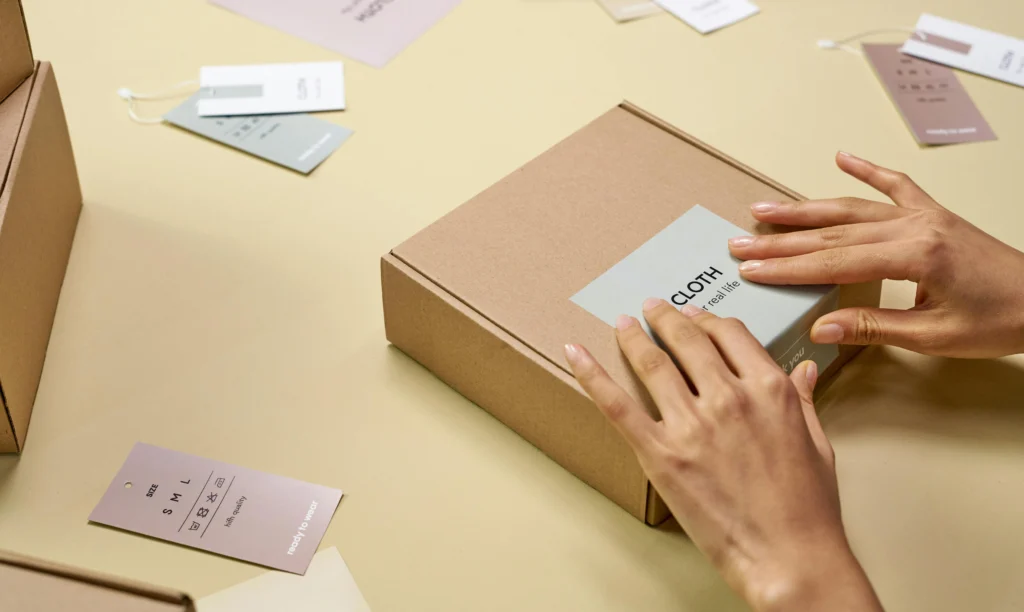
11. “Less But Better” Subscription Box
Deliver one high-quality item monthly.
Monetization: Recurring revenue
Steps:
- Find artisans or sustainable brand partners.
- Include cards explaining intentional living.
12. Eco-Friendly Cleaning Product Line
Minimalists often seek toxin-free homes.
Products:
- Refill sprays
- Concentrated cleaners
Startup Costs: $400–$1,500
13. Minimalist Websites for Creators
Clean website layouts are always in demand.
Steps
- Learn simple site builders (Webflow, Squarespace).
- Offer “clean website bundles” for small businesses.
Costs: $0–$200
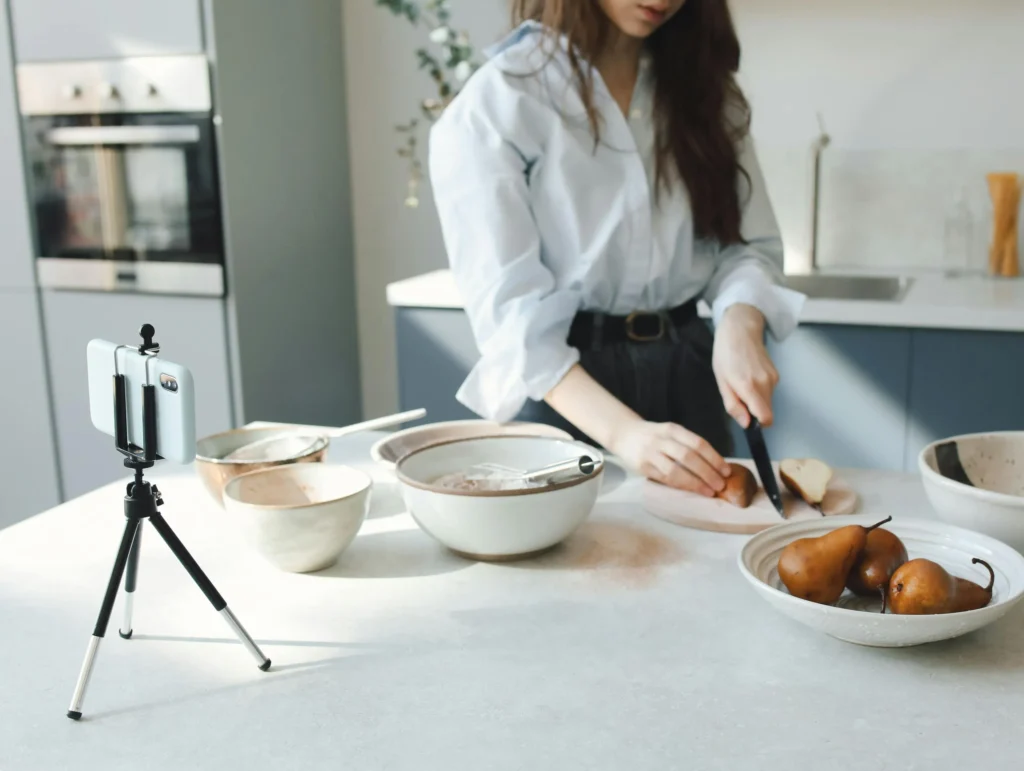
14. Minimalist Cooking Blog
Share simple recipes with few ingredients.
Monetization:
Ads, sponsorships, recipe eBooks
Startup Costs:
$50–$300
15. Scandinavian Design Shop
Sell Scandi-inspired home goods.
Costs: $400–$1,200
16. Minimalist Phone Wallpaper Shop
A low-cost digital niche.
Costs: $0–$60
Monetization: Etsy, Gumroad, Shopify
17. Tiny Living Consulting
Help people transition into tiny homes or downsized spaces.
Startup Costs: $0–$200
Monetization: Consultation packages
18. Mindful Productivity Coaching
Focus on intentional planning without burnout.
19. Sustainable Closet Reselling
Sell curated neutral clothing from thrift stores.
Costs: $100–$300
20. Minimalist Workshops
Teach minimalism in-person or online.
Monetization: Ticket sales, PDF guides
Costs: $0–$200
21. Minimalist Home Office Setup Consultant
Help remote workers create calm, functional spaces.
Steps:
- Offer product suggestions
- Provide layout guides
Minimalism isn’t just a lifestyle—it’s a growing space filled with meaningful business opportunities. From what I’ve seen, people appreciate products and services that help them simplify their homes, habits, and digital spaces. I hope these ideas give you a clearer sense of where you might start, whether it’s digital products, hands-on services, or content creation.
Remember, every journey starts small. You don’t need a perfect business plan to begin—just a willingness to learn and offer something helpful to others. If you’d like more niche ideas or step-by-step business guides, feel free to explore the other resources on Nichejar.com. And if this article sparked a thought or question, I’d be glad for you to share it. Building a business takes patience, but small consistent steps often lead to meaningful progress.
TLDR
In short:
- Minimalism offers many profitable business opportunities across digital, physical, and service-based niches.
- Top ideas include capsule wardrobe styling, digital planners, minimalist YouTube content, decluttering services, zero-waste products, and simple living coaching.
- Most niches require low startup budgets ($0–$300).
- Monetization includes service packages, digital downloads, affiliate links, product sales, and subscription models.
- Success comes from authenticity and helping people simplify their lives.