- Senia
- 0 Comments
- 4844 Views
Indoor gardening has become more than a hobby—it’s a growing market where everyday people can create profitable business opportunities. From what I’ve seen, focusing on niche business ideas in the indoor gardening industry can help you turn a passion for plants into a sustainable income. This guide explores practical ways to start, grow, and monetize indoor gardening ventures, even if you’re just beginning.
Indoor gardening is attracting attention worldwide, fueled by people’s desire for greenery, healthier living, and self-sustainability. From small apartment setups to elaborate indoor hydroponic systems, there is a wide range of opportunities for aspiring entrepreneurs. From my experience, the key to building a successful indoor gardening business is to find a niche—something you enjoy and can provide value in.
Many everyday people want to start small, low-risk businesses that can grow steadily. Indoor gardening fits this perfectly because it can start at home, requires modest investment, and can be scaled with experience. Whether it’s selling plants, designing indoor gardens, or creating educational content, the options are diverse and adaptable.
This guide covers 20+ niche business ideas in the indoor gardening industry, offering insights, practical steps, challenges, startup costs, monetization strategies, and real-world examples. By the end of this post, you’ll have a clearer picture of which niche might fit your skills and lifestyle.
1. Indoor Plant Retail
Why It Works:
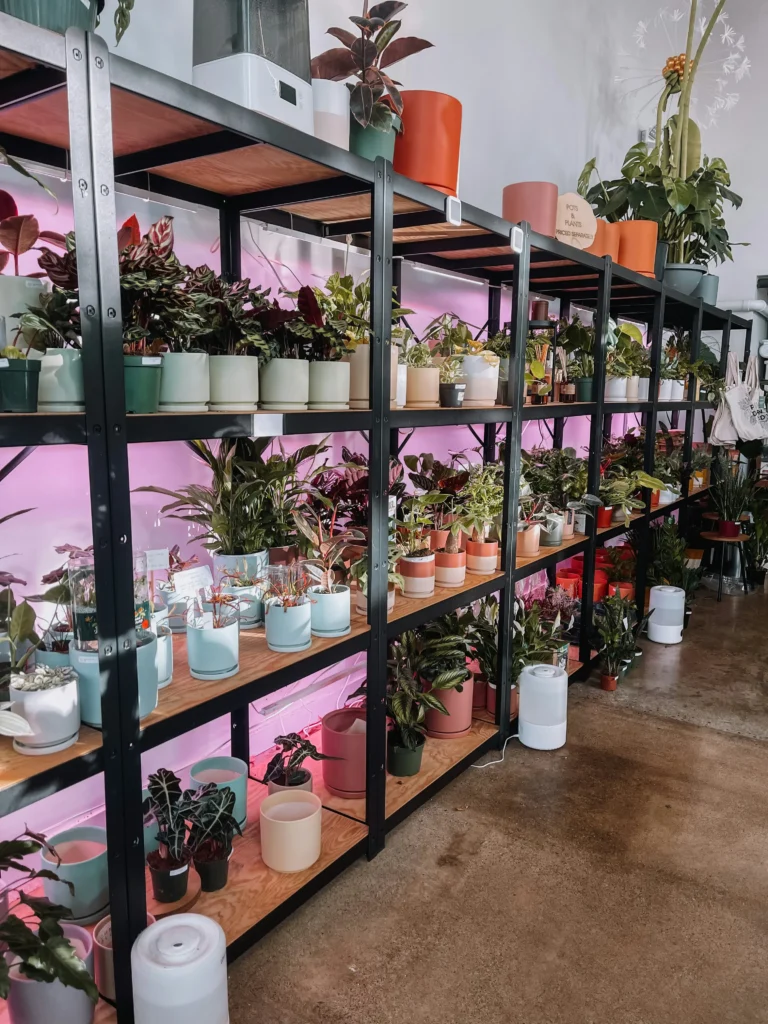
Indoor plants are popular for home décor and wellness, creating a steady demand. Selling plants directly taps into a growing trend of urban greenery.
Target Audience: Apartment dwellers, offices, cafes, wellness spaces.
How to Start:
- Source plants from nurseries or grow your own.
- Set up an online store or local market stall.
- Market via Instagram, Pinterest, or local groups.
Challenges: Plant care and inventory management.
Solution: Start small with hardy plants suitable for beginners.
Startup Costs: $200–$1,000 for plants, pots, and marketing.
Monetization: Direct sales, bundles, or delivery subscriptions.
Case Study: A small urban gardener started selling succulents online and reached $1,500/month within three months.
2. Hydroponic System Kits
Why It Works:
Hydroponics allows indoor gardening without soil, appealing to urban gardeners and hobbyists.
Target Audience: DIY enthusiasts, urban growers, educational institutions.
How to Start:
- Assemble or source hydroponic kits.
- Provide setup guides and support.
- Sell online or in local stores.
Challenges: Technical setup and maintenance.
Solution: Offer clear instructions and troubleshooting guides.
Startup Costs: $500–$2,000 for inventory and packaging.
Monetization: Kit sales and maintenance services.
Case Study: A small business selling beginner hydroponic kits earned $3,000/month after six months online.
3. Indoor Plant Rental Services
Why It Works:
Businesses and events often rent plants for decoration, providing recurring income.
Target Audience: Offices, restaurants, event planners.
How to Start:
- Build a small collection of attractive plants.
- Offer weekly/monthly rental packages.
- Market to local businesses and event planners.
Challenges: Plant damage and maintenance.
Solution: Include care guidelines and regular maintenance visits.
Startup Costs: $500–$2,000.
Monetization: Rental fees, delivery charges, add-on services.
Case Study: A freelancer started a plant rental service for co-working spaces, earning $2,000/month from five clients.
4. Terrarium Making and Sales
Why It Works:
Terrariums are decorative, low-maintenance, and ideal gifts.
Target Audience: Gift buyers, home decorators, hobbyists.
How to Start:
- Source glass containers, soil, and plants.
- Create sample terrariums for social media.
- Sell online or at craft fairs.
Challenges: Fragile products and shipping.
Solution: Use sturdy containers and secure packaging.
Startup Costs: $200–$500.
Monetization: Direct sales, workshops, gift bundles.
Case Study: A maker sold terrariums online and at markets, averaging $1,200/month.
5. Indoor Garden Design Consulting
Why It Works:
Many people want beautiful indoor gardens but lack the knowledge to design them.
Target Audience: Homeowners, offices, luxury apartments.
How to Start:
- Build a portfolio with sample layouts.
- Offer in-person or virtual consultations.
- Promote via Instagram, Pinterest, and local networks.
Challenges: Establishing credibility.
Solution: Start with small projects to gain testimonials.
Startup Costs: $0–$500 for tools and marketing.
Monetization: Flat consultation fees or project-based pricing.
Case Study: A consultant earned $2,500/month designing indoor gardens for apartments and cafes.

6. Organic Indoor Fertilizers
Why It Works:
Indoor gardeners increasingly prefer eco-friendly products, creating demand for organic fertilizers.
Target Audience: Urban gardeners, sustainability enthusiasts.
How to Start:
- Research safe fertilizers.
- Package attractively.
- Sell online or via gardening stores.
Challenges: Safety and labeling.
Solution: Follow regulations and provide clear instructions.
Startup Costs: $200–$1,000.
Monetization: Direct sales, bundle kits, subscriptions.
Case Study: A small organic fertilizer business reached $1,500/month in the first year.
7. Specialty Planters and Pots
Why It Works:
Unique planters appeal to design-conscious buyers and enhance home décor.
Target Audience: Interior decorators, plant enthusiasts, gift buyers.
How to Start:
- Source or craft distinctive planters.
- Market on Instagram, Etsy, and local stores.
- Offer bundles with plants.
Challenges: Competition.
Solution: Focus on creative designs and quality materials.
Startup Costs: $200–$1,000.
Monetization: Direct sales, wholesale, custom orders.
Case Study: A ceramic planter seller built a loyal Instagram following, earning $1,800/month.
8. Indoor Herb Kits
Why It Works:
Herbs are popular for cooking and wellness, and kits make it easy for beginners.
Target Audience: Home cooks, apartment dwellers, wellness enthusiasts.
How to Start:
- Assemble kits with seeds, soil, and containers.
- Provide instructions.
- Sell online or through subscription boxes.
Challenges: Seed quality and germination.
Solution: Source high-quality seeds and provide troubleshooting guides.
Startup Costs: $100–$500.
Monetization: Kit sales, subscriptions, add-on tools.
Case Study: A startup selling herb kits earned $2,000/month online within six months.
9. Plant Care Subscription Boxes
Why It Works:
Subscription boxes offer convenience and recurring revenue, delivering plant care products, fertilizers, or accessories.
Target Audience: Plant enthusiasts, busy urban gardeners.
How to Start:
- Curate products for monthly delivery.
- Use e-commerce and subscription platforms.
- Offer tiered packages for beginners and advanced growers.
Challenges: Retention and fulfillment.
Solution: Include educational content and personalized care tips.
Startup Costs: $300–$1,000 for initial inventory.
Monetization: Monthly subscription fees ($20–$50 per box).
Case Study: A subscription box business reached 200 subscribers in six months, generating $4,000/month.
10. Online Plant Workshops
Why It Works:
Educational content is in demand as people want to learn plant care, terrarium building, and hydroponics online.
Target Audience: Hobbyists, urban gardeners, parents, schools.
How to Start:
- Develop structured workshops and guides.
- Use Zoom or Teachable for delivery.
- Market through social media and plant communities.
Challenges: Engaging participants online.
Solution: Use live demos, Q&A sessions, and step-by-step tutorials.
Startup Costs: $0–$200 for digital tools.
Monetization: Ticket sales ($20–$100 per workshop) or course packages.
Case Study: A plant educator ran monthly online workshops, earning $2,000/month after six months.
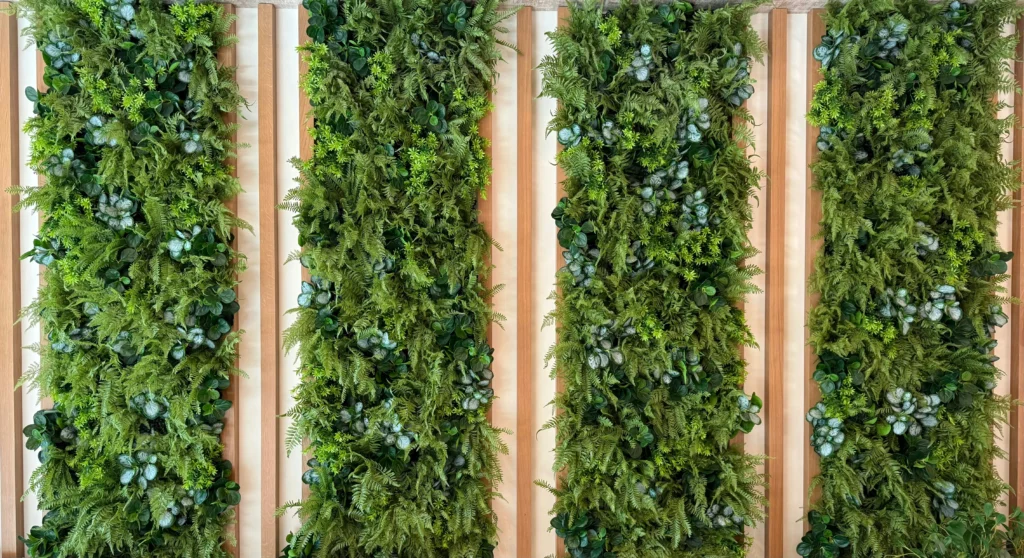
11. Vertical Garden Installations
Why It Works:
Vertical gardens save space while adding greenery to homes, offices, and commercial spaces. They appeal to urban dwellers who want a natural aesthetic without large floor space.
Target Audience: Apartment owners, restaurants, office spaces, eco-conscious businesses.
How to Start:
- Learn vertical garden design principles.
- Source wall planters, soil, and irrigation systems.
- Offer installation services locally.
- Document your projects to showcase on social media.
Challenges: Maintenance and client trust.
Solution: Offer maintenance packages and warranties for plant survival.
Startup Costs: $500–$2,000 for tools and initial installations.
Monetization: Installation fees, maintenance contracts, and consulting.
Case Study: A freelancer installing vertical gardens in cafés and offices reached $3,000/month after five months.
12. Air-Purifying Plant Sales
Why It Works:
Air-purifying plants improve indoor air quality and have become a lifestyle trend. They appeal to health-conscious consumers.
Target Audience: Homeowners, offices, schools, wellness centers.
How to Start:
- Identify popular air-purifying plants like snake plants and peace lilies.
- Grow or source plants from nurseries.
- Sell online, at farmers markets, or through local stores.
Challenges: Education and awareness.
Solution: Include care guides and information about health benefits.
Startup Costs: $200–$1,000.
Monetization: Direct sales, bundles, or plant-care subscriptions.
Case Study: A small shop selling air-purifying plants online reached $2,500/month.
13. Indoor Bonsai Specialist
Why It Works:
Bonsai cultivation is niche and highly valued for décor and meditation purposes. Bonsai enthusiasts are willing to pay for expertise.
Target Audience: Collectors, hobbyists, meditation centers, home decorators.
How to Start:
- Learn bonsai care and styling techniques.
- Start with small trees and build your portfolio.
- Offer sales, workshops, or online tutorials.
Challenges: Time-intensive care and skill development.
Solution: Focus on small batches and build experience gradually.
Startup Costs: $100–$500 for trees and tools.
Monetization: Bonsai sales, consulting, and workshops.
Case Study: A bonsai hobbyist started selling custom trees online, reaching $1,800/month.
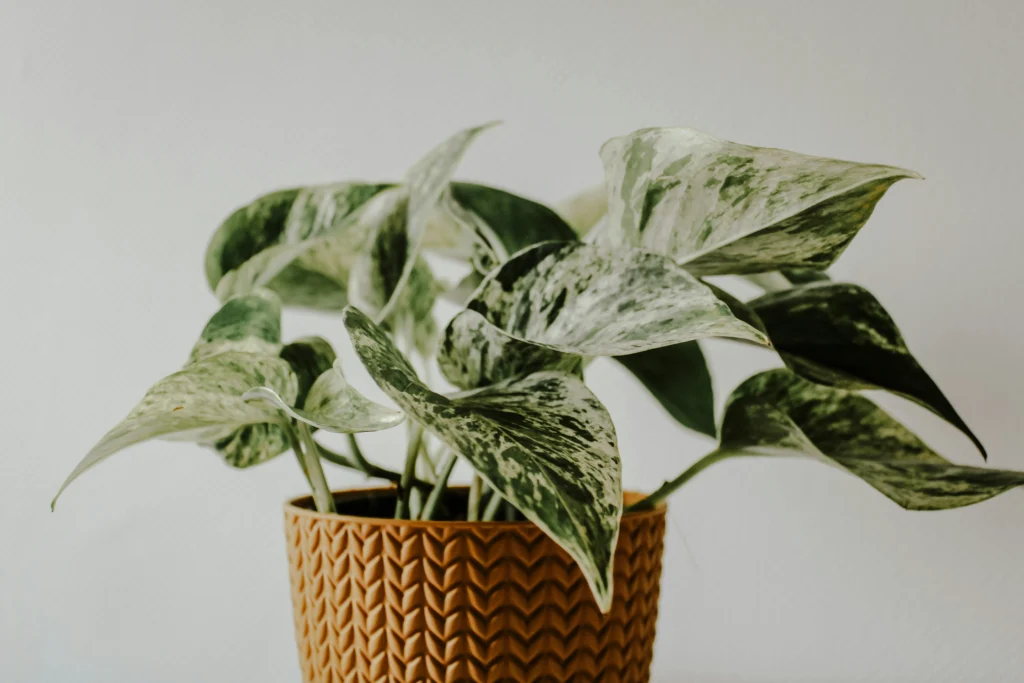
14. Plant Photography and Content Creation
Why It Works:
Beautiful plant photography can be monetized through stock photos, social media, and content services for brands.
Target Audience: Brands, interior designers, plant stores, lifestyle blogs.
How to Start:
- Build a portfolio of indoor plant photography.
- Offer freelance content creation services.
- Market via Instagram, Pinterest, and freelance platforms.
Challenges: Competition and skill development.
Solution: Focus on niche aesthetics and high-quality visuals.
Startup Costs: $0–$1,000 for camera and lighting equipment.
Monetization: Photo sales, brand collaborations, and freelance services.
Case Study: A freelance plant photographer earned $1,500/month within three months of Instagram marketing.
Image Alt: “Indoor plant photography – alt: plant content creation business idea”
15. DIY Indoor Garden Kits
Why It Works:
DIY kits appeal to beginners and gift buyers. They combine fun and education, making them perfect for the at-home gardening trend.
Target Audience: Hobbyists, children, apartment dwellers, gift buyers.
How to Start:
- Assemble kits with seeds, soil, containers, and instructions.
- Sell online, at craft fairs, or through subscription services.
- Include educational material or video tutorials.
Challenges: Product quality and ease of use.
Solution: Test kits thoroughly and include step-by-step guides.
Startup Costs: $200–$800 for initial kits.
Monetization: Kit sales, bundles, or subscription boxes.
Case Study: A small business selling DIY herb kits reached $2,200/month online within six months.
16. Plant Maintenance Services
Why It Works:
Many indoor gardeners lack time or knowledge to maintain plants. Maintenance services offer recurring income.
Target Audience: Offices, restaurants, co-working spaces, busy homeowners.
How to Start:
- Offer regular watering, pruning, and pest control.
- Promote locally via flyers, social media, and networking.
- Provide packages for weekly, biweekly, or monthly visits.
Challenges: Scheduling and plant health responsibility.
Solution: Start with a small client base and establish clear service agreements.
Startup Costs: $100–$500 for tools and transport.
Monetization: Recurring service fees ($50–$200 per client/month).
Case Study: A local plant maintenance provider gained five regular clients and earned $1,500/month.
17. Indoor Mushroom Farming
Why It Works:
Indoor mushroom cultivation is a growing niche with high demand for gourmet and medicinal mushrooms.
Target Audience: Restaurants, health-conscious individuals, gourmet cooks.
How to Start:
- Research mushroom varieties and growth techniques.
- Set up a small indoor cultivation area.
- Sell to local markets, restaurants, or online.
Challenges: Humidity control and contamination risk.
Solution: Start small and follow strict hygiene and care protocols.
Startup Costs: $300–$1,500 for spores, containers, and humidity control equipment.
Monetization: Direct sales, subscription boxes, and workshops.
Case Study: A hobbyist growing oyster mushrooms sold locally, earning $1,800/month.

18. Rare and Exotic Indoor Plants
Why It Works:
Rare plants are highly desirable and can command premium prices. Collectors are often willing to pay for unique species.
Target Audience: Plant collectors, enthusiasts, home decorators.
How to Start:
- Source rare plants from reputable suppliers.
- Market via social media, specialized forums, and e-commerce.
- Provide care instructions and guidance.
Challenges: Plant rarity and shipping care.
Solution: Start with a small collection and ensure secure packaging.
Startup Costs: $500–$2,000 for initial inventory.
Monetization: Direct sales, auctions, or curated collections.
Case Study: A rare plant seller reached $3,000/month selling Monstera adansonii and other exotic species online.
19. Smart Indoor Gardening Tech
Why It Works:
Smart gardening devices, such as automated watering systems, sensors, and app-controlled lights, appeal to tech-savvy indoor gardeners.
Target Audience: Urban gardeners, busy professionals, tech enthusiasts.
How to Start:
- Research and source smart gardening devices.
- Provide installation and tutorial services.
- Market through social media and online marketplaces.
Challenges: Technical knowledge and customer support.
Solution: Offer clear guides and after-sales support.
Startup Costs: $500–$2,000 for initial devices and marketing.
Monetization: Device sales, installation services, and subscription apps.
Case Study: A startup selling smart indoor gardening kits reached $3,200/month online.
20. Indoor Gardening Blogging and Affiliate Marketing
Why It Works:
Blogging can monetize your expertise through affiliate links, sponsored posts, and ad revenue.
Target Audience: Indoor gardening enthusiasts, hobbyists, eco-conscious readers.
How to Start:
- Create a blog with guides, tutorials, and product reviews.
- Build an audience through social media and SEO.
- Join affiliate programs related to plants, tools, and gardening supplies.
Challenges: Time to build audience and traffic.
Solution: Post consistently and provide high-quality, helpful content.
Startup Costs: $50–$200 for hosting, domain, and tools.
Monetization: Affiliate commissions, sponsored content, digital products.
Case Study: A gardening blogger earned $1,500/month after 9 months with consistent posting and affiliate partnerships.
Indoor gardening is a niche that offers numerous opportunities for creativity, growth, and income. From what I’ve seen, the key is to choose a niche that aligns with your interests and skills, start small, and gradually expand.
Remember, every journey starts small. It’s perfectly fine to test multiple ideas before finding your perfect fit. Whether you start with plant retail, subscription boxes, or educational workshops, focus on providing value and building trust with your audience.
Next, explore other niches on Nichejar.com to discover complementary ideas and growth strategies. Share your experiences or questions in the comments—community insights can be incredibly valuable for anyone starting out.
Success in indoor gardening, like any niche, takes patience, learning, and consistent effort. Keep experimenting, and don’t be afraid to adapt as trends evolve.
TLDR
In short:
- Indoor gardening is a booming niche with diverse opportunities.
- Top business ideas include plant retail, hydroponic kits, terrariums, herb kits, subscription boxes, and online workshops.
- Other niches include vertical gardens, bonsai, air-purifying plants, DIY kits, and smart gardening tech.
- Start small, test ideas, and provide value to your audience.
- Monetization can come from direct sales, subscriptions, consulting, or affiliate marketing.