
- Senia
- 0 Comments
- 10 Views
Have you noticed how thrift stores, resale apps, and vintage shops seem busier than ever? The second-hand clothing industry is no longer just about saving money—it’s about sustainability, smart shopping, and unique style. If you’ve been searching for second-hand clothing business ideas that are realistic and profitable, this might be the opportunity you’ve been looking for.
The resale fashion market has grown steadily over the last decade. More people are choosing second-hand clothing for budget reasons, environmental concerns, and the joy of finding one-of-a-kind pieces. From what I’ve seen, this shift creates real opportunities for everyday entrepreneurs—not just big companies.
What makes the second-hand clothing industry especially attractive is its low barrier to entry. You don’t need to manufacture products. You don’t need a large warehouse. In many cases, you can start from your home with a phone, good lighting, and a clear niche.
But here’s the important part: simply “selling thrifted clothes” is not a niche. The people who build profitable resale clothing businesses usually specialize. They focus on a clear audience—new moms, plus-size shoppers, streetwear collectors, corporate professionals, or eco-conscious buyers. That focus builds trust and repeat customers.
In this guide, we’ll explore:
- 20+ profitable second-hand clothing business ideas
- Step-by-step guides to start each niche
- Startup cost estimates
- Monetization strategies and scaling methods
- Realistic challenges and practical solutions
- Image alt text suggestions for SEO
I believe this niche works well for beginners because it rewards consistency more than perfection. You don’t need to get everything right on day one. You need to start small, learn your market, and improve over time.

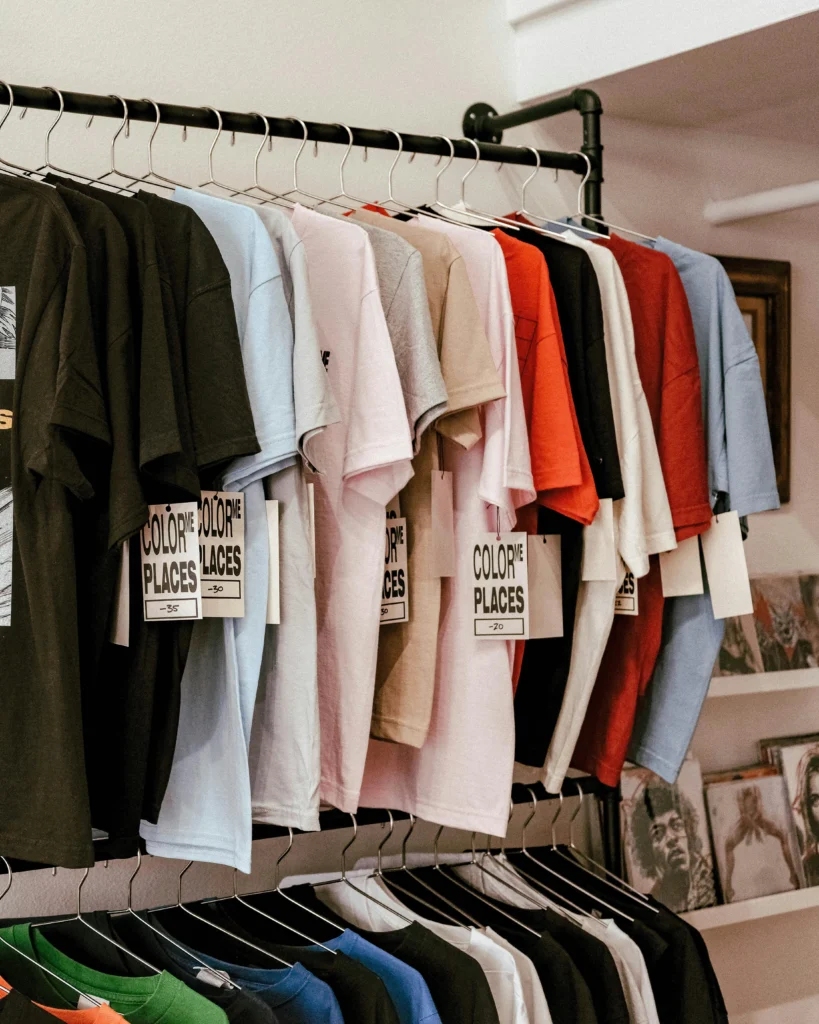
1. Online Vintage Clothing Store
Description: Curate and sell vintage clothing from specific decades (90s, Y2K, 70s).
Why it’s profitable: Vintage pieces are limited in supply. Scarcity increases perceived value.
How to start:
- Choose a decade or aesthetic.
- Source from thrift stores and estate sales.
- Photograph items with consistent branding.
- List on Etsy, Depop, eBay, or Shopify.
Startup cost: $500–$2,000
Monetization: Direct sales, themed drops, bundles.
Challenge: Inconsistent inventory.
Solution: Build multiple sourcing channels.
2. Kids Second-Hand Clothing Boutique
Children outgrow clothes quickly, creating constant supply and demand.
Steps:
- Focus on branded, high-quality items.
- Sell size-based bundles.
- Target moms through Facebook groups.
Startup cost: $300–$1,500
Monetization: Seasonal sales, subscription bundles.
Challenge: Quality control.
Solution: Strict inspection standards.
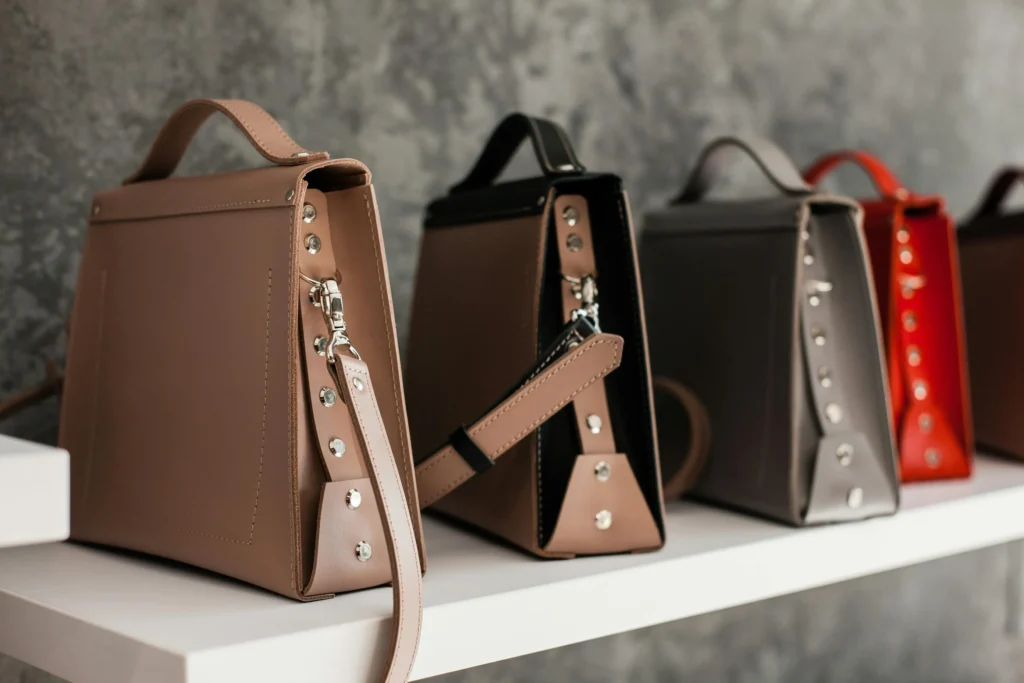
3. Luxury Designer Resale
Resell authenticated designer bags, coats, and accessories.
Why profitable: Higher margins per sale.
Steps:
- Study authentication techniques.
- Start small with mid-tier luxury brands.
- Offer detailed proof of authenticity.
Startup cost: $1,000–$5,000
Challenge: Counterfeit risk.
Solution: Use authentication services.
4. Thrift Flip & Upcycling Business
Transform oversized or outdated clothing into modern designs.
Steps:
- Learn basic tailoring.
- Film transformation videos.
- Sell via Instagram or TikTok.
Startup cost: $500–$3,000
Monetization: Custom orders, limited drops.
5. Streetwear & Sneaker Resale
Focus on branded hoodies, sneakers, and hype pieces.
Why profitable: Collectors pay premiums.
Challenge: Trend volatility.
Solution: Research resale data before investing.
6. Maternity Clothing Resale Boutique
Description: Specialize in gently-used maternity wear for expecting mothers.
Market Insight: Maternity clothing is worn for a short period. Many women prefer affordable second-hand options.
How to Start:
- Source from local moms or online marketplaces.
- Focus on comfort brands.
- Organize by trimester or size.
Startup Cost: $300–$1,200
Monetization: Bundles, seasonal packages.
Challenge: Limited repeat customers.
Solution: Offer referral discounts.
7. Workwear & Corporate Clothing Resale
Description: Provide affordable professional attire.
Target Market: Job seekers, students, career changers.
Steps:
- Source blazers, trousers, dress shirts.
- Offer interview outfit bundles.
- Market through LinkedIn or local job centers.
Startup Cost: $500–$2,000
Monetization: Bundle deals, styling advice add-ons.

8. Plus-Size Second-Hand Boutique
Insight: Plus-size resale is often underrepresented but high in demand.
Steps:
- Focus only on plus-size inventory.
- Create inclusive marketing.
- Provide detailed size measurements.
Startup Cost: $400–$1,500
Challenge: Limited supply in some areas.
Solution: Source online and locally.
9. Eco-Friendly Resale Brand
Position your brand around sustainability.
Strategy:
- Highlight carbon footprint reduction.
- Use recyclable packaging.
- Share impact statistics.
Startup Cost: $500–$1,500
10. Second-Hand Subscription Styling Boxes
Curate monthly outfits for subscribers.
Steps:
- Collect style preference forms.
- Offer 3–5 item curated boxes.
- Provide exchange options.
Startup Cost: $800–$3,000
Challenge: Inventory management.
Solution: Pre-select inventory before subscription expansion.

11. Pop-Up Thrift Events
Host local resale pop-ups.
Why it works: Community engagement increases impulse purchases.
Startup Cost: $500–$2,000 per event.
Monetization: Booth fees, direct sales.
12. Costume & Festival Wear Resale
Seasonal demand business.
Strategy:
- Source unique pieces.
- Market before Halloween and festivals.
Startup Cost: $300–$1,000

13. Wedding & Formal Wear Resale
High-ticket niche.
Steps:
- Partner with bridal shops.
- Offer alterations.
Startup Cost: $1,000–$4,000
14. Sportswear & Activewear Resale
Athletic brands retain value.
Tip: Focus on premium brands.
Startup Cost: $400–$1,500
15. School Uniform Exchange
Partner with schools.
Monetization: Commission per sale.
Startup Cost: $300–$1,000
16. Vintage Denim Specialization
Denim holds value long-term.
Strategy: Focus only on Levi’s, Wrangler, etc.
Startup Cost: $500–$2,000
17. Online Thrift Blog + Affiliate Model
Create content about thrift finds.
Monetization: Affiliate links, ads, digital guides.
Startup Cost: $200–$800
18. Instagram Live Thrift Sales
Real-time selling builds urgency.
Tip: Offer limited-time discounts.
Startup Cost: $300–$1,000
19. Bulk Clothing Export Business
Sell sorted second-hand clothes internationally.
Startup Cost: $2,000–$10,000
Challenge: Logistics and customs.
Solution: Partner with freight forwarders.
20. Clothing Alteration & Repair Service
Add value through tailoring.
Startup Cost: $1,000–$5,000
Monetization: Service fees + resale.
21. Personal Thrift Shopper Service
Offer curated thrift shopping services.
Target: Busy professionals or influencers.
Startup Cost: $200–$1,000
Monetization: Service fee + commission.
The second-hand clothing industry offers more than just extra income—it offers flexibility, creativity, and the chance to build something meaningful. From what I’ve seen, the sellers who succeed are not necessarily the ones with the biggest budgets. They are the ones who choose a clear niche, stay consistent, and improve little by little.
Remember, every journey starts small. You might begin with just ten items listed online. That’s perfectly fine. The goal is momentum, not perfection.
If one of these second-hand clothing business ideas speaks to you, take one small step this week. Research your niche. Visit a thrift store. Study your target audience.
TLDR
In short:
- Vintage Clothing Store: High-margin niche with trend appeal.
- Kids & Maternity Resale: Constant demand, practical buyers.
- Luxury Resale: High profits but requires authentication knowledge.
- Plus-Size Boutique: Underserved and loyal market.
- Subscription Boxes: Recurring income potential.
- Wedding/Formal Wear: High-ticket opportunity.
- Personal Thrift Shopper: Low inventory risk service model.
Focus on one niche, start small, and grow steadily.