- Senia
- 0 Comments
- 9 Views
Have you ever wondered if you could turn your love for fresh, local food into a steady income? The locally-sourced food niche is growing fast, and there are countless ways everyday people can start a business around it. From farmers’ markets to home-based food services, there’s room to experiment, learn, and profit—all without needing a huge corporate setup.
In recent years, people have become more aware of where their food comes from. They want fresher ingredients, support local farmers, and enjoy seasonal produce. This growing trend has opened up opportunities for anyone willing to explore the locally-sourced food niche. From what I’ve seen, small businesses in this area can thrive because they combine passion with practicality—helping people eat better while building a sustainable income.
You don’t need to be a millionaire or a professional chef to start. Many of these ideas are low-risk, beginner-friendly, and adaptable to your skills and resources. Whether you’re looking to sell artisanal products, deliver fresh ingredients, or create educational experiences, there’s likely a path that fits your lifestyle.
In this post, I’ll share 20+ Business Ideas for the Locally-Sourced Food Niche in the locally-sourced food niche, complete with insights, startup tips, estimated costs, and real-world examples. I’ll also include practical step-by-step advice for launching each idea, highlight potential challenges, and suggest ways to monetize your efforts. Think of this as a guide we’re exploring together—where trial, patience, and creativity are just as important as money or resources.
Here’s what we’ll cover:
- 20+ detailed locally-sourced food business ideas
- Startup tips and cost estimates
- Marketing strategies and monetization methods
- Common challenges and humble solutions
- Real-life case examples
By the end, you’ll have a clear understanding of which paths might suit you best and how to start small while scaling gradually. Let’s dive in.
1. Farmers’ Market Vendor
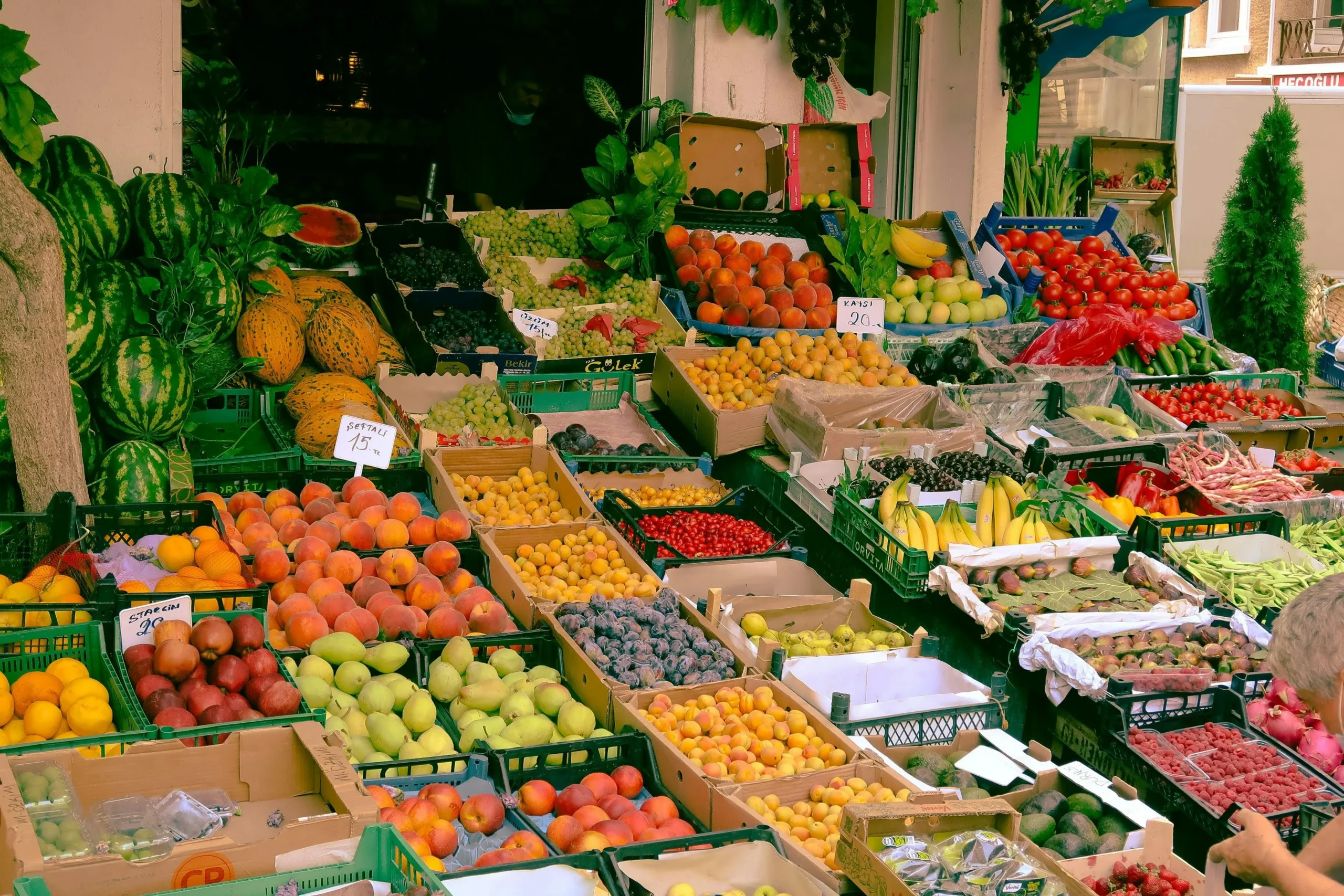
Description: Selling locally-grown fruits, vegetables, or artisanal products at farmers’ markets.
Why it’s profitable: Customers at farmers’ markets are looking for fresh, high-quality, locally-sourced items. Premium prices are often justified for organic or specialty products.
How to start:
- Identify local markets with high foot traffic.
- Source products from your own garden or partner with local farmers.
- Design simple, appealing packaging and pricing.
Challenges: Weather dependency and competition.
Solutions: Offer unique items (e.g., heirloom vegetables) and diversify income with pre-orders or subscriptions.
Startup cost: $500–$2,000 for booth fees, signage, and initial inventory.
Monetization: Direct sales, subscription boxes, or bundled seasonal products.
Example: A small vegetable stand in Vermont doubled revenue by offering weekly CSA boxes.
2. Community-Supported Agriculture (CSA) Subscription
Description: Customers pay upfront for weekly or monthly deliveries of fresh, seasonal produce.
Why it’s profitable: Steady cash flow and loyal customer base. People value convenience and supporting local farmers.
Step-by-step:
- Partner with local farms or grow your own produce.
- Set subscription pricing and delivery schedules.
- Use social media or local newsletters for marketing.
Challenges: Seasonal fluctuations and logistics.
Solutions: Include value-added items like homemade jams or bread to maintain interest year-round.
Startup cost: $1,000–$3,000 for initial produce, delivery packaging, and marketing.
Monetization: Subscription fees, upsells of specialty items.
Example: A Michigan CSA reported 150 subscriptions in its first year, growing to 300 by the third.
3. Artisanal Bread or Pastry Business
Description: Baking bread, pastries, or other treats using locally-sourced ingredients.
Why it’s profitable: People love artisanal baked goods with a story behind them. Local sourcing adds a premium appeal.
Tips to start:
- Focus on a niche (sourdough, gluten-free, seasonal flavors).
- Use a home kitchen if allowed, or rent a commercial space.
- Offer pre-orders, farmers’ market sales, and small retail partnerships.
Challenges: Consistency and storage.
Solutions: Start small, test recipes, and invest in refrigeration if needed.
Startup cost: $500–$2,000 for ingredients, oven upgrades, and packaging.
Monetization: Direct sales, wholesale to cafés, or online orders.
Example: A home baker in Oregon started selling at a local market and expanded to three cafes within two years.
Artisanal Bread or Pastry Business – alt="Home-baked artisanal bread using locally-sourced

4. Farm-to-Table Meal Prep
Description: Preparing meals using only local ingredients and delivering to customers.
Why it’s profitable: Convenience + health-conscious consumers willing to pay extra for fresh, local meals.
Step-by-step:
- Identify your target market (busy professionals, families).
- Create rotating menus with seasonal ingredients.
- Offer online ordering and weekly subscriptions.
Challenges: Regulatory compliance and perishable ingredients.
Solutions: Obtain proper food handling certifications and optimize delivery schedules.
Startup cost: $2,000–$5,000 for kitchen equipment, packaging, and marketing.
Monetization: Meal plans, subscription boxes, and catering.
Example: A small NYC startup grew by 40% yearly by highlighting local farm partnerships in their marketing.
5. Specialty Cheese or Dairy Products
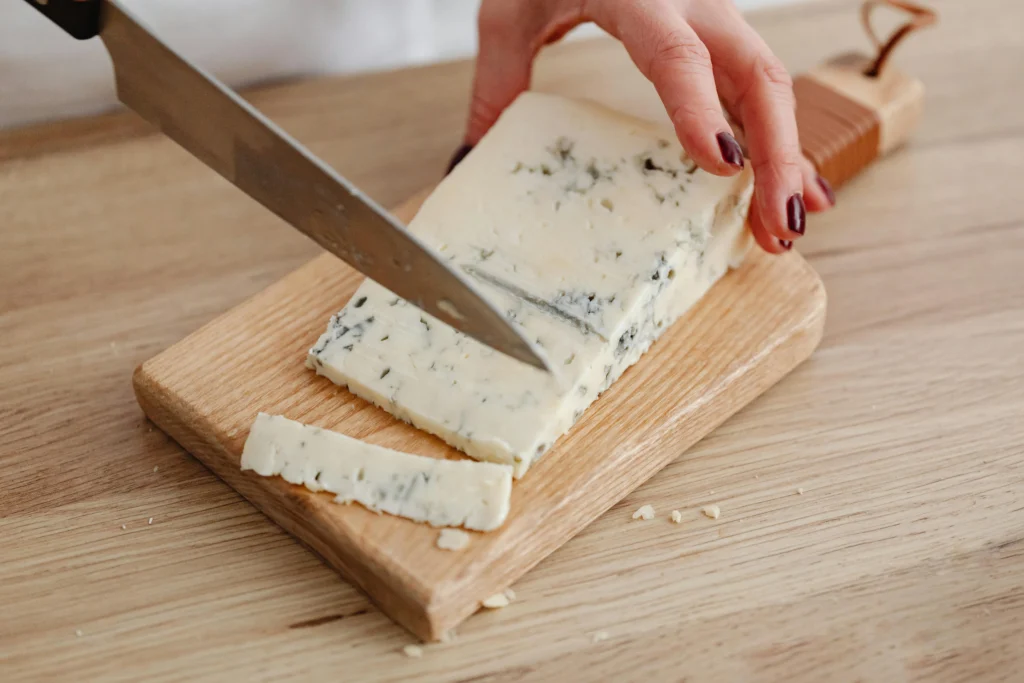
Description: Producing or sourcing artisanal cheeses, yogurt, or other dairy from local farms.
Why it’s profitable: Gourmet dairy products command high margins, especially if organic or locally-sourced.
Starting tips:
- Partner with local farms or make your own products.
- Attend local food fairs and farmers’ markets.
- Focus on storytelling—customers love knowing the farm their cheese comes from.
Challenges: Shelf-life and licensing.
Solutions: Start with aged products with longer shelf-life or focus on direct-to-consumer sales.
Startup cost: $3,000–$10,000 depending on equipment and licensing.
Monetization: Product sales, gift baskets, online orders.
Example: A Vermont cheesemaker grew slowly by building a loyal local customer base before expanding online.
6. Herbal and Specialty Tea Blends
Description: Crafting teas with locally-grown herbs, flowers, and botanicals.
Why it’s profitable: Unique blends appeal to wellness-focused consumers and gift buyers.
Step-by-step:
- Source herbs locally or grow your own.
- Experiment with seasonal blends and package attractively.
- Sell at farmers’ markets, online, or via subscription boxes.
Challenges: Differentiating your brand.
Solutions: Focus on local stories, limited editions, or wellness benefits.
Startup cost: $300–$1,500.
Monetization: Direct sales, subscription boxes, or partnerships with wellness stores.
Example: A home-based tea business in California tripled revenue after featuring local lavender in summer blends.
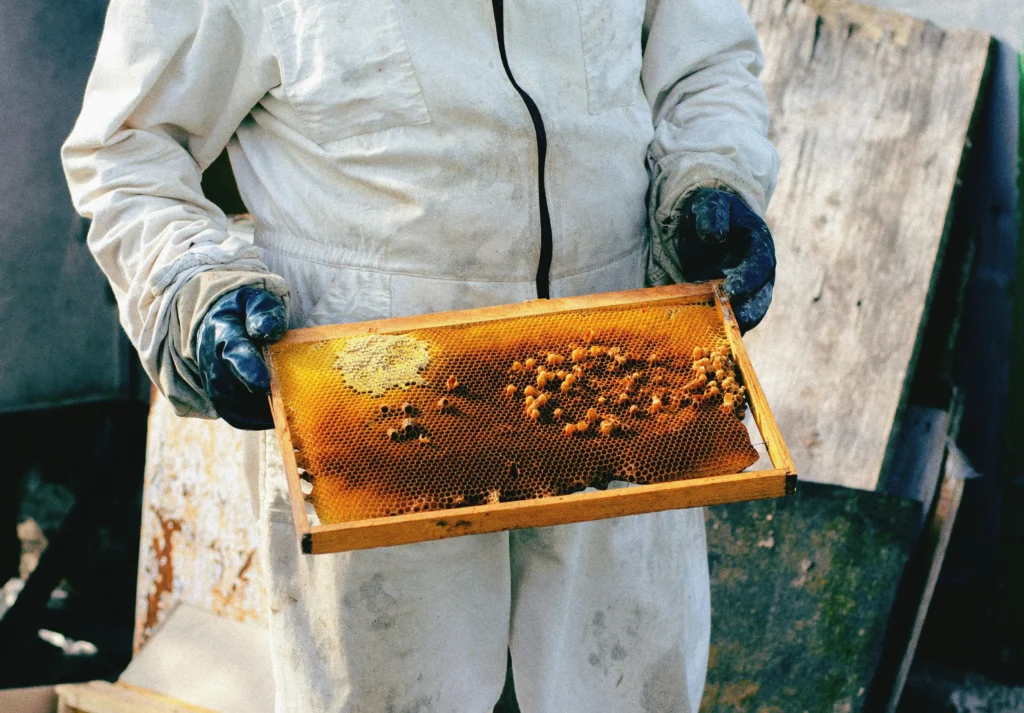
7. Local Honey Production
Description: Selling honey harvested from local beekeeping operations.
Why it’s profitable: Local honey is highly sought after for flavor and health benefits.
Tips to start:
- Start with 2–3 hives and expand gradually.
- Offer honey, beeswax candles, or skincare products.
- Build relationships with local markets and gift shops.
Challenges: Seasonal production and hive maintenance.
Solutions: Take short courses on beekeeping and stagger hive expansion.
Startup cost: $1,000–$3,000 per hive setup.
Monetization: Direct sales, artisanal gift sets, workshops.
Example: A North Carolina beekeeper began with two hives and now supplies local stores and online subscribers.
8. Pickling and Fermentation Business
Description: Producing pickles, sauerkraut, kimchi, or other fermented foods.
Why it’s profitable: Health trends favor fermented products, and customers love locally-made artisanal options.
Step-by-step:
- Choose vegetables sourced locally and season creatively.
- Ensure proper food safety and labeling.
- Sell at farmers’ markets, online, or via local stores.
Challenges: Storage and spoilage.
Solutions: Invest in proper refrigeration and small-batch production.
Startup cost: $500–$2,500.
Monetization: Product sales, workshops, online classes.
Example: A small pickling brand in Portland started with local farmers’ markets and expanded to regional stores.
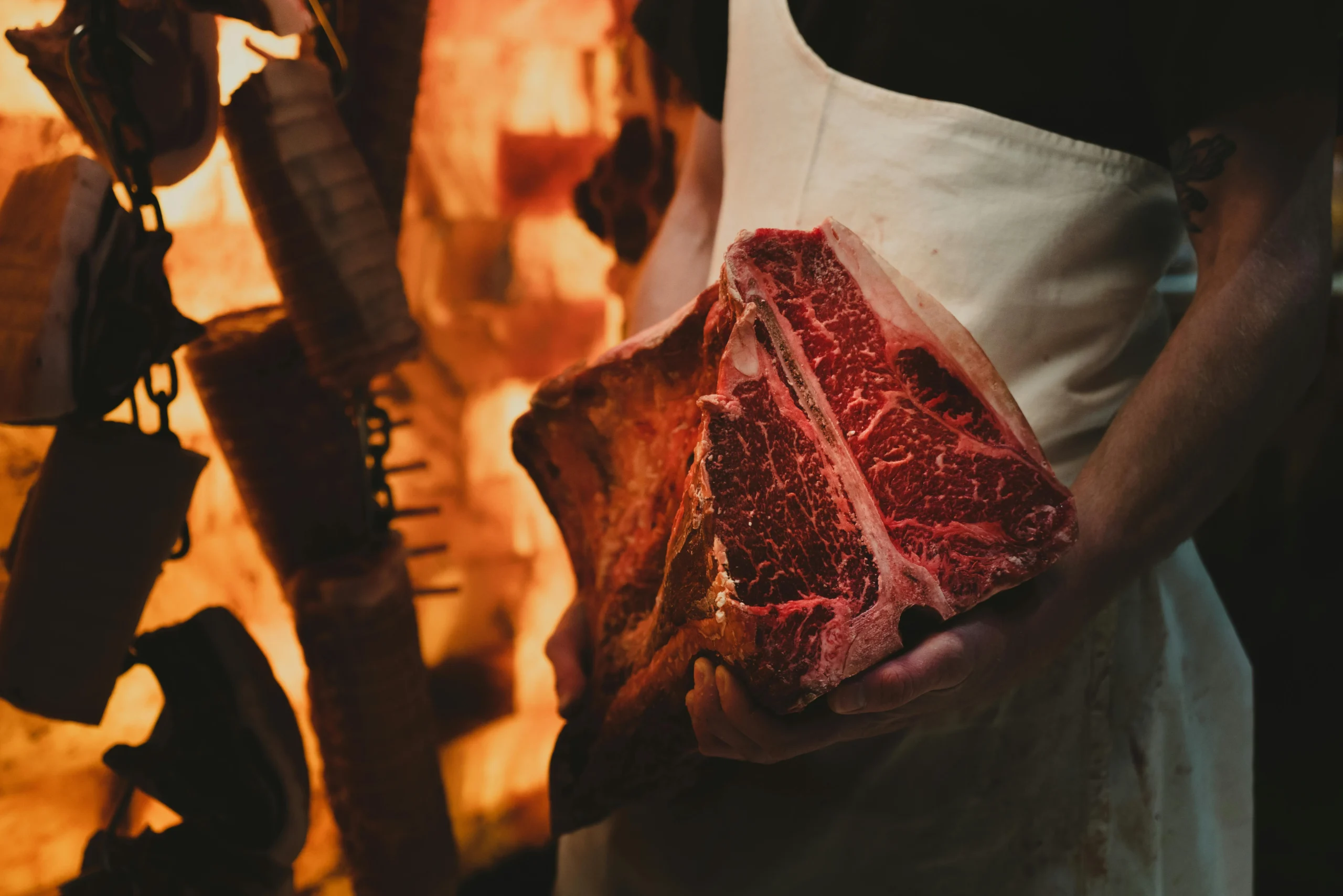
9. Local Meat or Butchery Services
Description: Providing ethically sourced, locally-raised meat products.
Why it’s profitable: Consumers are increasingly concerned about animal welfare and origin of meat.
Tips to start:
- Partner with local farms or raise small livestock.
- Offer butchered cuts, specialty sausages, or cured meats.
- Focus on storytelling and quality assurance.
Challenges: Regulations and storage.
Solutions: Ensure compliance with health codes and invest in refrigeration/freezing units.
Startup cost: $5,000–$20,000 depending on scale.
Monetization: Direct sales, subscription boxes, or catering.
Example: A local butcher shop in Texas grew through farm partnerships and a loyal weekly subscription service.
Local Meat or Butchery Services – alt="Locally-sourced cuts of meat on display at a butcher shop"
10. Farm-to-Coffee or Smoothie Bars
Description: Using local produce in beverages at cafes or pop-ups.
Why it’s profitable: Consumers increasingly value fresh, local ingredients in their drinks.
Step-by-step:
- Source seasonal fruits, herbs, and dairy locally.
- Offer unique drinks highlighting local farms.
- Market through social media and partnerships with local gyms or offices.
Challenges: Ingredient seasonality.
Solutions: Rotate menu seasonally and keep some staple offerings year-round.
Startup cost: $10,000–$25,000 for equipment, permits, and initial stock.
Monetization: Direct sales, catering, and event pop-ups.
Example: A Portland café increased foot traffic by advertising “locally-sourced summer smoothies.”
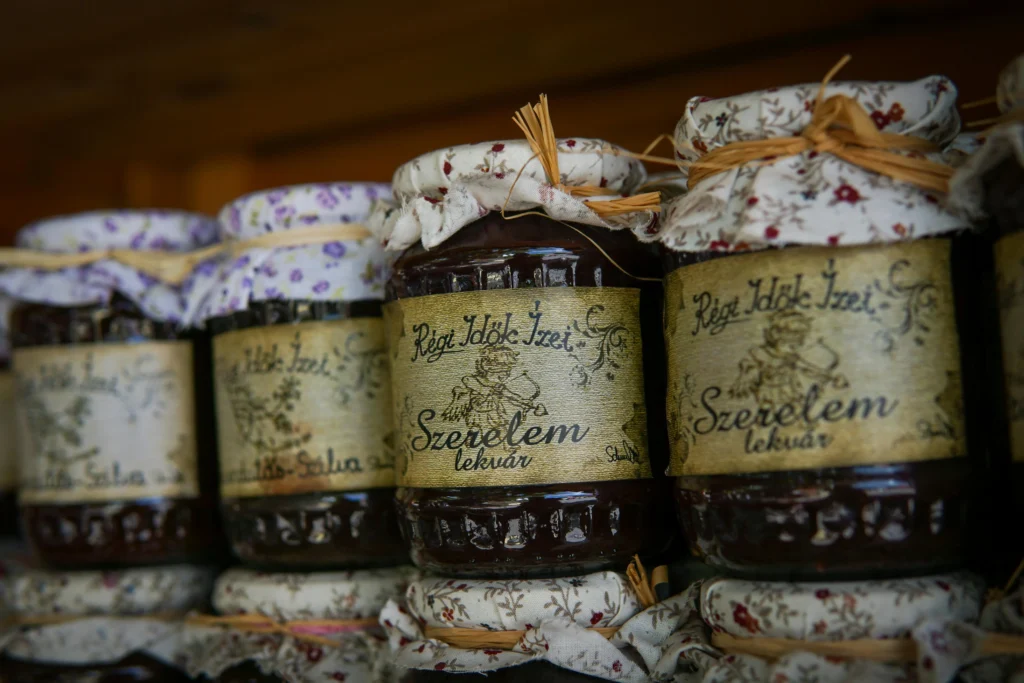
11. Artisanal Jams, Jellies, and Preserves
Description: Creating small-batch fruit preserves from local produce.
Why it’s profitable: People love supporting local artisans and unique flavors.
Tips:
- Start with seasonal fruits.
- Package attractively and tell the story of the farms used.
- Sell at markets, online, and via gift sets.
Challenges: Shelf-life and competition.
Solutions: Offer limited-edition seasonal flavors and online pre-orders.
Startup cost: $300–$1,500.
Monetization: Direct sales, subscription boxes, and gifts.
Example: A Vermont home-based jam business scaled by introducing tasting events at farmers’ markets.
12. Specialty Olive Oil or Vinegar Blends
Description: Creating flavored oils and vinegars from local herbs and ingredients.
Why it’s profitable: Gourmet food products appeal to gift buyers and home cooks.
Step-by-step:
- Source local oils and herbs.
- Experiment with unique flavors.
- Package for retail and online sales.
Challenges: Finding quality base oils locally.
Solutions: Partner with regional suppliers and highlight local sourcing in marketing.
Startup cost: $500–$2,000.
Monetization: Direct sales, gift baskets, online subscription boxes.
Example: A small artisan in Oregon tripled online sales by highlighting local herb infusions.
13. Edible Flowers and Microgreens
Description: Growing and selling specialty greens for restaurants or consumers.
Why it’s profitable: High-value, low-space crops with growing demand in upscale culinary markets.
Step-by-step:
- Use small indoor or greenhouse setups.
- Offer fresh deliveries to local restaurants and markets.
- Educate customers on uses and recipes.
Challenges: Shelf-life and delicate handling.
Solutions: Deliver quickly and use proper packaging.
Startup cost: $500–$3,000.
Monetization: Direct sales, wholesale, or microgreen kits.
Example: A small microgreens startup in California supplies 10 restaurants weekly with steady profit.
14. Local Snack or Granola Bars
Description: Creating bars using local grains, nuts, and honey.
Why it’s profitable: Consumers want healthy, local snack options with story-driven branding.
Step-by-step:
- Source ingredients locally.
- Test recipes for shelf stability.
- Sell at markets, cafés, and online.
Challenges: Competition from mass brands.
Solutions: Highlight local sourcing and unique flavors.
Startup cost: $500–$2,000.
Monetization: Retail sales, subscriptions, gift boxes.
Example: A small artisan granola business in Colorado doubled revenue after partnering with local gyms.

15. Cooking Classes with Local Ingredients
Description: Teaching cooking skills using seasonal, locally-sourced ingredients.
Why it’s profitable: People love learning how to cook with fresh produce and often pay a premium for hands-on experiences.
Step-by-step:
- Choose simple, seasonal recipes.
- Partner with local farms for tours or ingredient sourcing.
- Market to families, food enthusiasts, and tourists.
Challenges: Scheduling and location.
Solutions: Use rented kitchens or outdoor farm spaces, offer small groups for better engagement.
Startup cost: $300–$1,500.
Monetization: Class fees, private lessons, and workshops.
Example: A chef in New England increased income by offering farm-to-table cooking weekends.
16. Local Meal Kits
Description: Packaging fresh, local ingredients into ready-to-cook meal kits.
Why it’s profitable: Convenience + fresh, local appeal = high demand.
Step-by-step:
- Source ingredients from local farms.
- Include clear recipe instructions.
- Offer online ordering and subscription options.
Challenges: Ingredient perishability.
Solutions: Limit kits to highly seasonal items and pre-order quantities.
Startup cost: $1,000–$5,000.
Monetization: Subscription fees, seasonal promotions.
Example: A small Maine business grew steadily with farm partnerships and holiday-themed meal kits.
17. Pop-Up Dinners or Farm Events
Description: Hosting special meals featuring local ingredients at unique locations.
Why it’s profitable: Experiential dining is trending, and people are willing to pay for a story-driven meal.
Step-by-step:
- Find venues like local farms or outdoor spaces.
- Partner with local chefs or farmers.
- Promote via social media and local groups.
Challenges: Weather and logistics.
Solutions: Have backup indoor locations and pre-sell tickets to manage attendance.
Startup cost: $500–$3,000 per event.
Monetization: Ticket sales, sponsorships, catering add-ons.
Example: A pop-up series in Oregon attracted 50–100 diners per event, creating community buzz and repeat customers.

18. Local Spice or Herb Blends
Description: Crafting seasoning mixes from locally-grown herbs.
Why it’s profitable: Adds value to everyday cooking and appeals to gift markets.
Step-by-step:
- Grow or source herbs locally.
- Experiment with blends for different cuisines.
- Sell online, in stores, or via subscription.
Challenges: Packaging and branding.
Solutions: Use eco-friendly, attractive packaging and highlight local sourcing.
Startup cost: $300–$1,000.
Monetization: Direct sales, subscription boxes, or gift sets.
Example: A small business in Texas grew sales through farmers’ markets and holiday promotions.
19. Local Condiments and Sauces
Description: Making ketchup, hot sauce, mustard, or other condiments from local ingredients.
Why it’s profitable: Premium, locally-made condiments appeal to foodies and home cooks.
Step-by-step:
- Source fresh, local produce.
- Test small batches for flavor and shelf-life.
- Sell at markets, online, and specialty stores.
Challenges: Food safety regulations.
Solutions: Attend workshops on small-batch food production and labeling requirements.
Startup cost: $500–$3,000.
Monetization: Product sales, online orders, gift packs.
Example: A hot sauce business in New York used local peppers and grew via local store partnerships.
20. Local Food Subscription Boxes
Description: Curating boxes with a mix of local snacks, produce, and artisanal products.
Why it’s profitable: Subscription models create recurring income and customer loyalty.
Step-by-step:
- Source diverse local products.
- Brand boxes with storytelling about each item.
- Offer online subscriptions and seasonal themes.
Challenges: Logistics and inventory management.
Solutions: Start with small batches and pre-orders to reduce waste.
Startup cost: $1,000–$5,000.
Monetization: Subscription fees, gift sales, and upsells.
Example: A California startup combined local honey, jams, and baked goods into monthly boxes, reaching 200 subscribers in the first year.
21. Farm Tours and Agritourism
Description: Offering educational or fun farm experiences for families and tourists.
Why it’s profitable: People pay for experiences, not just products, and it creates opportunities to sell produce and products on-site.
Step-by-step:
- Partner with local farms.
- Organize tours, workshops, or seasonal festivals.
- Promote to schools, tourists, and local communities.
Challenges: Seasonal constraints and insurance.
Solutions: Offer indoor workshops during off-season and carry appropriate coverage.
Startup cost: $500–$3,000 for marketing, signage, and small staffing.
Monetization: Tour fees, product sales, workshops.
Example: A small farm in New York earned extra income by hosting pumpkin-picking events and farm-to-table workshops
From what I’ve seen, the locally-sourced food niche offers a surprisingly wide range of opportunities for everyday people to start small and grow gradually. Whether you’re interested in cooking, farming, or curating unique experiences, there’s likely an idea here that fits your skills and resources. The key is to start with what you’re passionate about, keep your operations manageable, and focus on building trust with your local community.
Remember, every journey starts small. Test your ideas, learn from challenges, and adapt as you grow. Even if your first venture doesn’t scale immediately, the knowledge and connections you gain are valuable stepping stones. Consider exploring other niches on Nichejar.com for more inspiration, and don’t hesitate to share your experiences or questions—our community learns together.
Perseverance, patience, and a focus on quality go a long way. Your local food business could start as a weekend experiment and grow into a sustainable source of income, connecting people with fresh, meaningful food along the way.
TLDR
In short:
- Farmers’ Market Vendor: Directly sell local produce; low startup cost.
- CSA Subscription: Recurring revenue from weekly produce boxes.
- Artisanal Bread/Pastry: High-margin baked goods using local ingredients.
- Farm-to-Table Meal Prep: Convenient, healthy meals; steady clientele.
- Local Honey/Dairy: Premium products with loyal customer base.
- Cooking Classes & Farm Tours: Monetize experiences, not just products.
- Local Snack, Condiment, or Subscription Boxes: Build recurring income and brand loyalty.
Most ideas are low-to-moderate cost, scalable, and capitalize on the growing demand for fresh, local, and ethical food products. Start small, focus on quality, and grow as you gain experience.