- Senia
- 0 Comments
- 1257 Views
Starting a food truck can feel exciting, yet a little overwhelming. From what I’ve seen, choosing the right niche often makes the biggest difference because it helps you stand out in a crowded market. If you’ve ever wondered how to start a profitable food truck business or which niche might fit your skills, these 20+ food truck business niche ideas for culinary adventurers might offer a path worth exploring.
Building a food truck business is one of those dreams many everyday people quietly hold onto. I think it’s because food trucks blend creativity, flexibility, and a manageable entry point into entrepreneurship. You don’t need a huge restaurant investment to get started, and you can experiment with concepts until you discover what feels right. Still, finding the right food truck business niche ideas can be overwhelming. With so many food styles, trends, and customer preferences, it’s easy to feel unsure about where to begin.
From what I’ve observed, the most successful food trucks don’t try to please everyone. They focus on a narrow niche with a clear identity—something customers can immediately understand and connect with. In a world full of general menus, specific ideas often stand out more. Whether it’s a dessert-only food truck, a plant-based comfort food concept, or a regional specialty that reminds people of home, these niches often attract loyal communities.
This guide explores 20+ food truck business niche ideas for culinary adventurers who want to make money in practical, sustainable ways. I’ll walk through each niche with real steps you can follow, quick startup cost estimates, challenges you might face, and simple solutions based on what many beginners overlook. I’ll also include a few humble case studies showing how everyday people have made these ideas work.
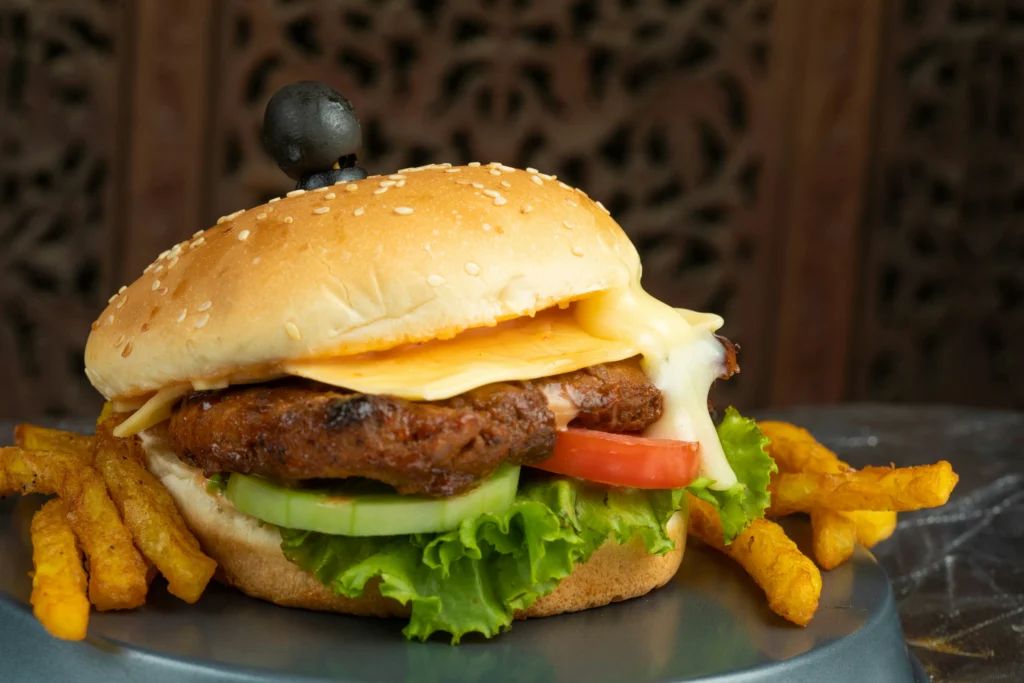
1. Gourmet Grilled Cheese Truck
Why This Niche Works
From what I’ve seen, simple foods with elevated flavors tend to do very well. Grilled cheese offers comfort, nostalgia, and affordability—perfect for high profit margins. You can also experiment endlessly with bread types, cheeses, fillings, and side sauces.
Target Audience
Office workers, students, families, festival-goers.
How to Start (Step-by-Step)
- Choose 6–10 signature melts.
- Offer a mix of classic, spicy, and gourmet combinations.
- Partner with a local bakery for fresh bread.
- Create a strong visual brand with bright colors.
- Attend lunch hotspots and weekend festivals.
Startup Costs
$28,000–$80,000 depending on equipment.
Monetization
- Catering
- Seasonal specials
- Branded sauces or grilled cheese kits
Potential Challenge
Menu repetition may weaken customer interest.
Humble Solution:
Introduce seasonal melts and limited-time flavors. I’ve seen trucks do well with “Melt of the Month” campaigns.
Case Study
A Denver-based grilled cheese truck grew its audience by offering a rotating monthly sandwich. Customers returned just to try the new flavors.
2. Artisan Coffee & Pastry Truck
Why This Niche Works
Coffee is a daily routine, not a luxury. A mobile coffee truck near campuses, business districts, or morning commuters becomes a habit for customers.
Target Audience
Commuters, office workers, college students.
How to Start
- Invest in a reliable espresso machine.
- Offer pastries from a local bakery.
- Create a loyalty punch card.
- Start early (6–9 a.m. window is crucial).
Startup Costs
$35,000–$120,000 (depends heavily on equipment quality).
Challenges
Morning rush can be intense.
Solution:
Let customers pre-order through a simple mobile app or online form.
Case Study
A small coffee truck partnered with a local bakery, reducing preparation stress and improving overall quality.
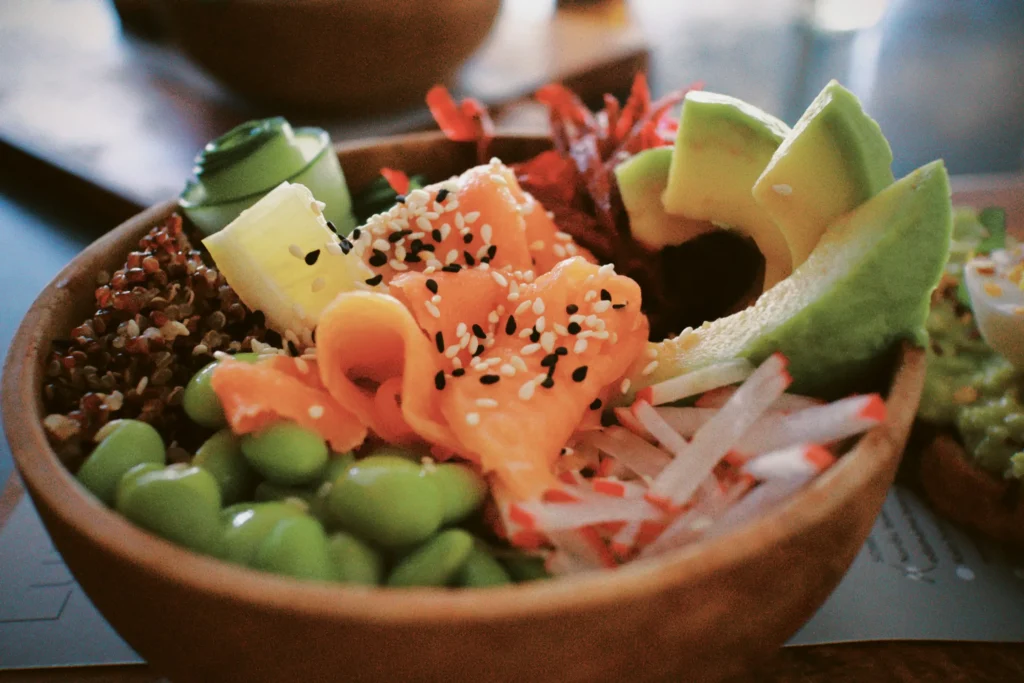
3. Vegan Comfort Food Truck
Why It Works
From what I’ve seen, many vegan customers struggle to find hearty meals, especially at events. Filling, indulgent vegan dishes stand out.
Menu Ideas
- Vegan mac & cheese
- BBQ jackfruit sliders
- Loaded vegan nachos
Steps to Start
- Use recognizable comfort flavors.
- Highlight ingredients clearly.
- Attend vegan festivals and farmers markets.
Startup Costs
$32,000–$100,000
Challenge
Higher ingredient cost.
Solution:
Buy in bulk and offer smaller bowl options.
Case Study
A Portland vegan truck became popular by offering sampler plates.
4. Global Street Food Fusion Truck
Why It Works
Customers love discovering new flavors, especially when mixed with something familiar.
Fusion Ideas
- Korean BBQ tacos
- Mediterranean burritos
- Indian-spiced nacho bowls
Startup Tips
- Test flavors with small groups.
- Keep fusion balanced, not confusing.
Startup Costs
$30,000–$100,000
Case Study
A small truck grew through offering sampler platters at festivals.
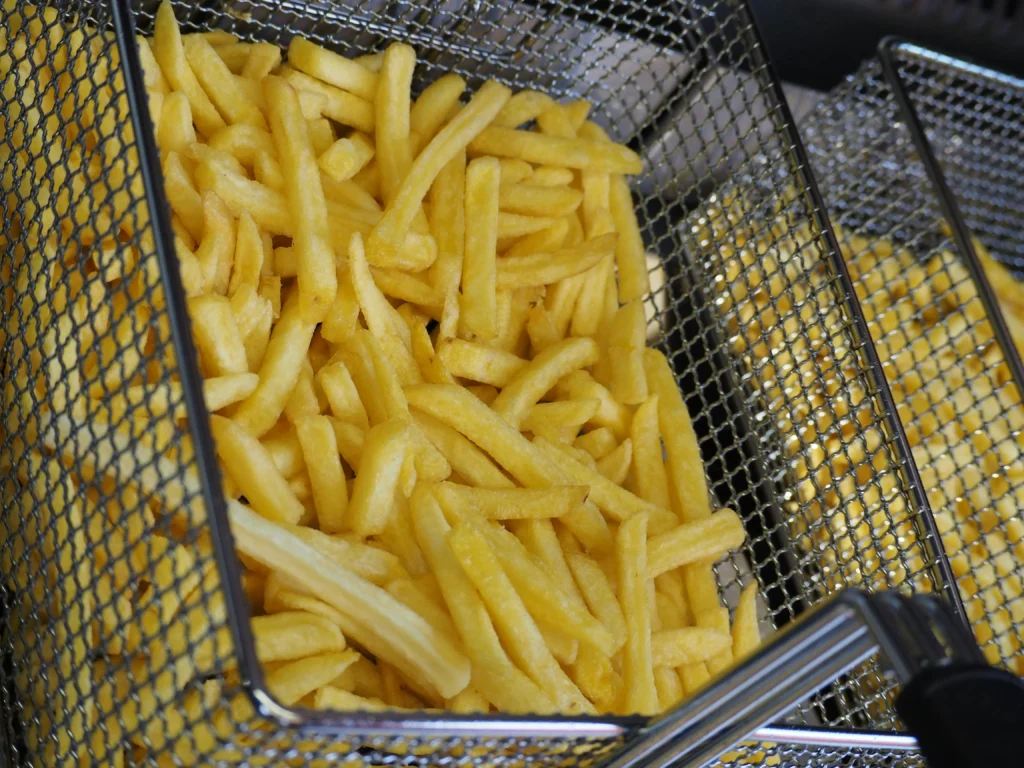
5. Loaded Fries Truck
Why It Works
Low ingredient cost + highly visual = social media magnet.
Menu Concepts
- Buffalo chicken fries
- Truffle parmesan fries
- Chili cheese fries
Startup Costs
$20,000–$70,000
Challenge
Maintaining crispiness.
Solution:
Double-fry technique.
Case Study
A small fries truck gained traction by offering reusable combo bowls.
6. Breakfast-Only Food Truck
Why It Works
Morning food trucks are still rare, leaving a gap in many cities.
Menu Ideas
- Breakfast burritos
- Bagels
- Hash brown bowls
Startup Costs
$25,000–$85,000
Case Study
A truck near a gym opened at 6 a.m. and developed a loyal group of customers.
7. Keto & Low-Carb Food Truck
Why It Works
Low-carb eaters often struggle to find convenient meals on the go.
Menu Ideas
- Bunless burgers
- Cauliflower rice bowls
- Keto desserts
Startup Costs
$28,000–$75,000
Challenge
Higher ingredient cost.
Solution:
Offer bowl-based meals to limit meat waste.
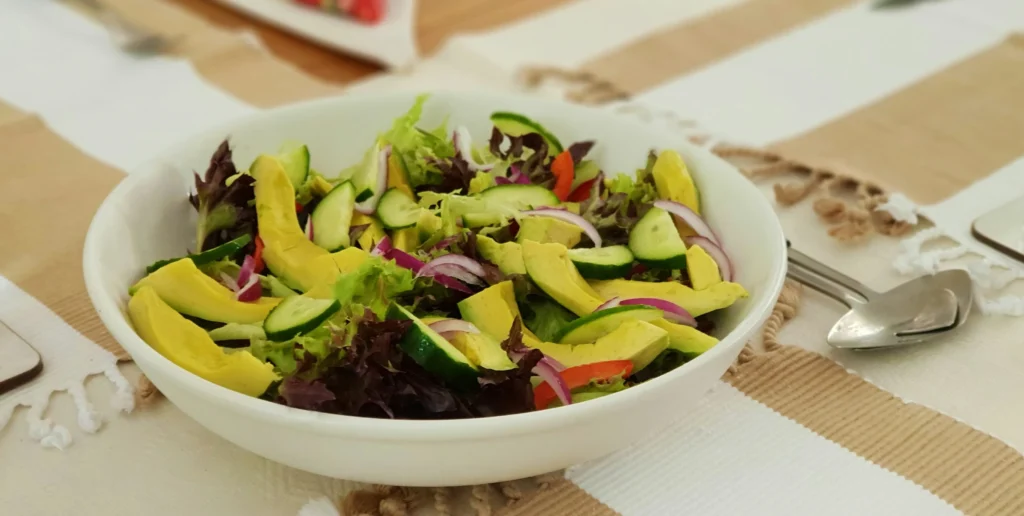
8. Farm-to-Table Organic Truck
Why It Works
More people want clean, mindful eating. Highlighting local farms builds trust.
Steps to Start
- Partner with 2–3 farms.
- Seasonal rotating menu.
- Eco-friendly packaging.
Costs
$35,000–$110,000
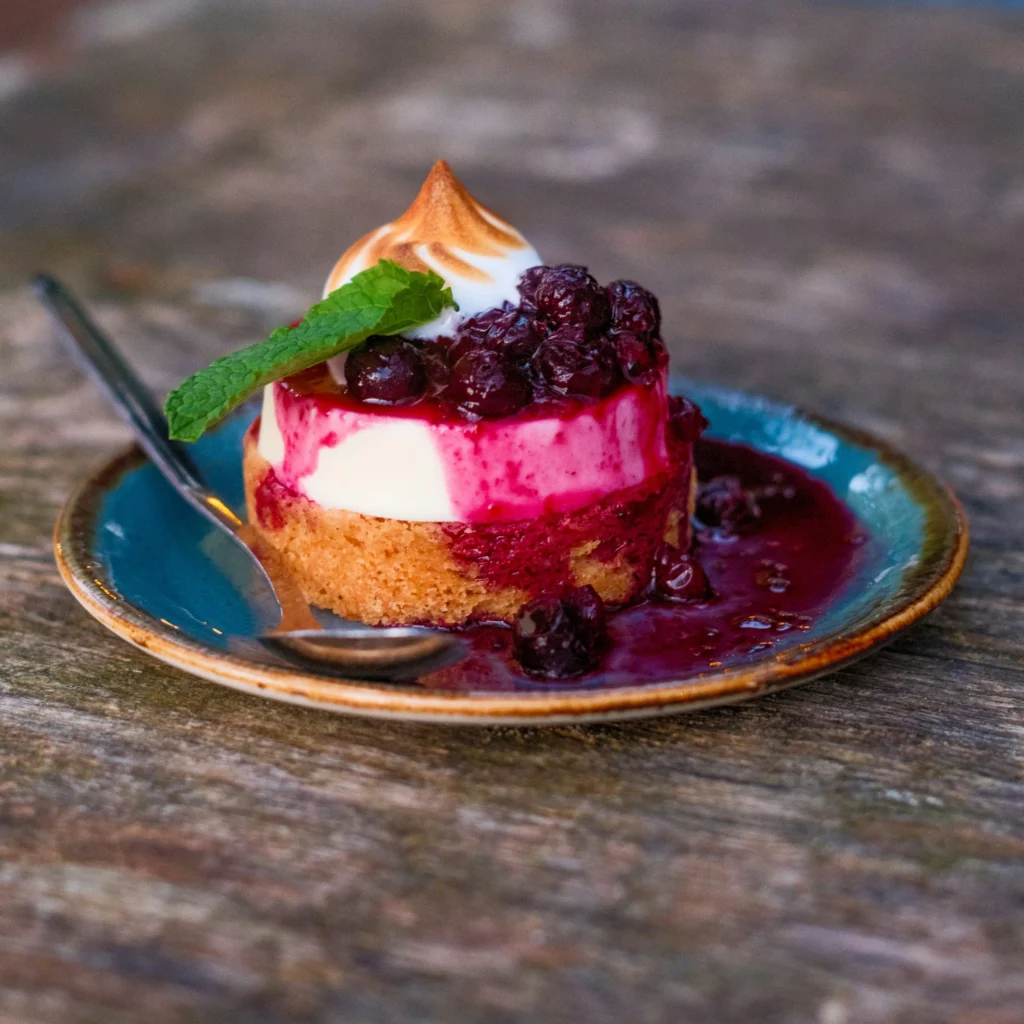
9. Dessert-Only Food Truck
Why It Works
Desserts perform well at festivals, shopping centers, and night markets.
Menu Ideas
- Funnel cakes
- Sundaes
- Brownies
- Cheesecake jars
Case Study
A dessert-only truck doubled sales by adding a “selfie wall” for social media.
10. Fresh Juice & Smoothie Truck
Why It Works
Health-conscious customers gravitate toward quick, refreshing options.
Menu Ideas
- Detox juices
- Protein smoothies
- Acai bowls
Startup Cost
$15,000–$50,000 with a trailer.
11. Mini Doughnut Truck
Why It Works
Mini doughnuts are fun, inexpensive, and easy to sell at events.
Steps
- Offer 6–10 flavors.
- Add toppings like cinnamon sugar or maple glaze.
Costs
$20,000–$60,000

12. Seafood Rolls Truck
Why It Works
Lobster and shrimp rolls are premium items with strong event appeal.
Challenge
Seafood spoilage.
Solution:
Use refrigerated prep tables and buy smaller fresh batches daily.
Costs
$50,000–$150,000
13. Mexican Grilled Corn & Street Tacos
Why It Works
Affordable, customizable, universally loved.
Menu Ideas
- Elote (grilled Mexican corn)
- Tacos al pastor
- Carnitas
Startup Cost
$20,000–$80,000
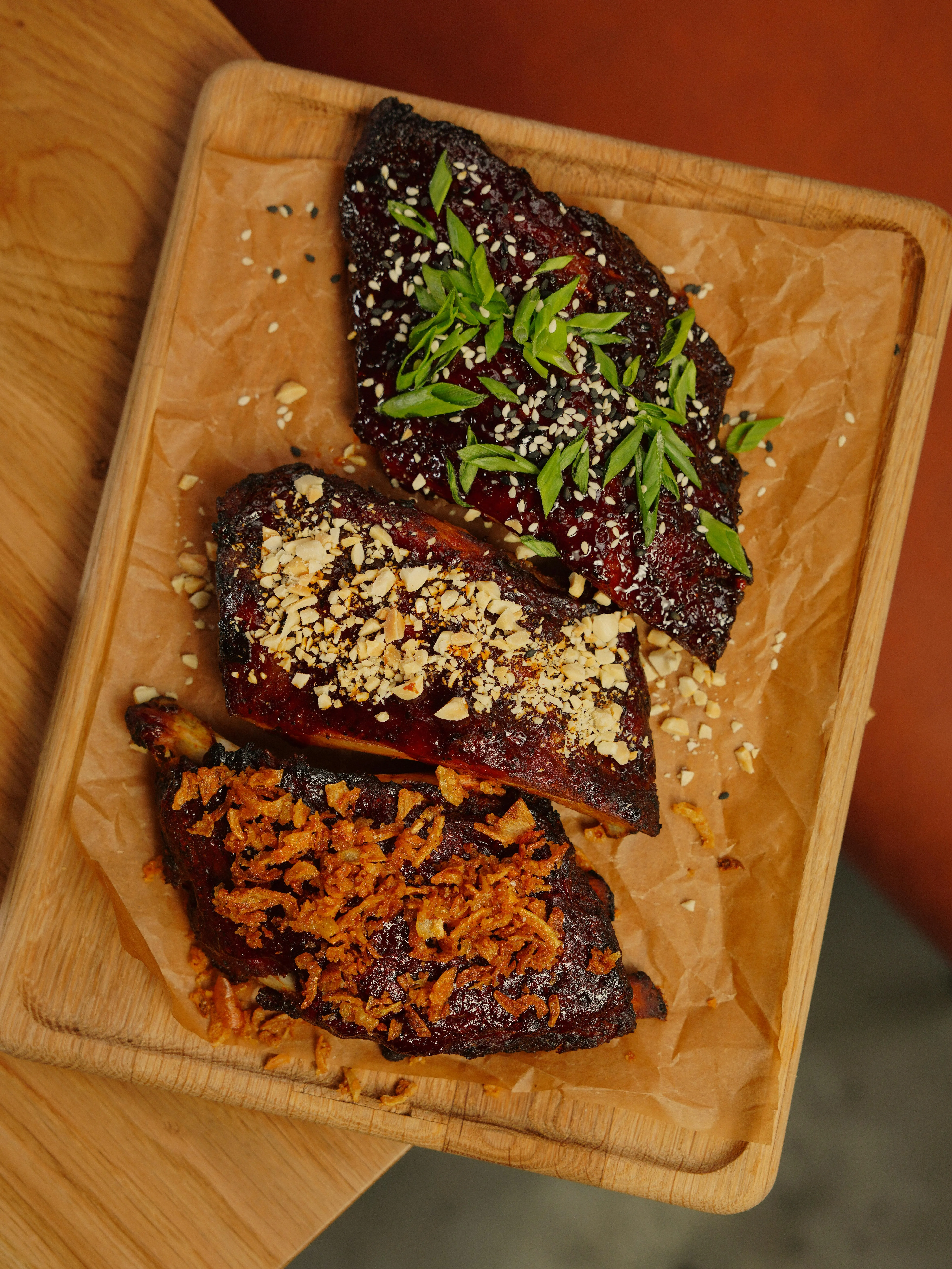
14. BBQ Sliders Truck
Why It Works
Sliders are low-waste, easy to portion, and perfect for events.
Menu Ideas
- Pulled pork sliders
- Brisket sliders
- Chicken BBQ sliders
15. Ramen & Noodle Bowl Truck
Why It Works
Warm bowls are comforting and ideal for cool climates.
Challenges
Broth storage.
Solution:
Pre-portion broth in insulated containers.
16. Wood-Fired Pizza Truck
Why It Works
Customers love artisan pizza, and the visual appeal of a wood oven draws crowds.
Startup Cost
$70,000–$150,000
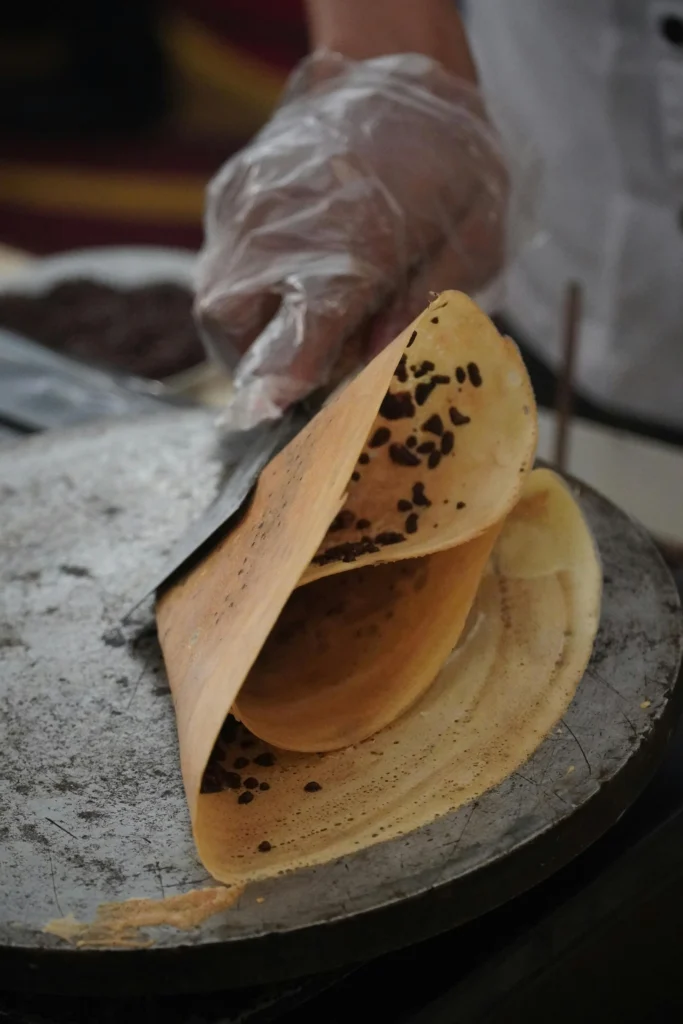
17. Crepes Truck
Why It Works
Crepes offer both sweet and savory options at low food cost.
Menu Ideas
- Nutella + banana
- Chicken pesto
- Smoked salmon crepe
18. Mediterranean Mezze Truck
Why It Works
Healthy, flavorful, widely appealing.
Menu Ideas
- Hummus bowls
- Falafel wraps
- Greek salads
19. Gluten-Free Specialty Truck
Why It Works
Gluten-free customers often feel ignored; offering safe meals builds trust.
Steps
- Partner with GF suppliers.
- Avoid cross-contamination.
20. Comfort Bowls Truck
Why It Works
People love familiar, cozy meals—especially in cold weather.
Menu Ideas
- Mashed potato bowls
- Chicken gravy bowls
- Rice & veggie bowls
21. Cultural Festival Specialty Truck
Why It Works
Focusing on one cultural cuisine helps you stand out.
Examples
- Filipino street food
- Caribbean jerk chicken
- Thai noodle bowls
Thank you for exploring these niche food truck ideas with me. Choosing the right concept can feel overwhelming at first, but from what I’ve seen, taking time to align your passion, skills, and market needs often leads to the strongest results. I believe the ideas in this guide can help because they highlight real opportunities that everyday entrepreneurs can pursue—without needing a professional culinary background.
If you’re just starting, consider testing a few menu items with friends or at local events. Small steps like these can help you learn what people enjoy and what feels natural for you to create. And if one idea feels right but still scares you a little, that might be a sign it’s worth exploring.
Food trucks grow through consistency, community presence, and genuine care for customers. There’s no rush, and no perfect formula. Many successful trucks today began with humble beginnings—a small trailer, a simple menu, and a lot of heart.
Feel free to explore other niche guides on Nichejar.com as you continue your journey. I’d love to hear what concept resonated with you most. Remember, every journey begins one small decision at a time, and choosing your niche might be the first meaningful step.
TLDR
In short:
- These 20+ food truck niche ideas help you stand out by offering unique menus customers can’t find everywhere.
- Top profitable concepts include gourmet grilled cheese, vegan comfort food, loaded fries, artisan coffee, breakfast-only trucks, seafood rolls, and desserts.
- Each idea includes insights into costs, challenges, branding, and how to start.
- Food trucks succeed with simple menus, strong branding, and consistent locations.
- Starting small—like testing dishes at markets—can give you valuable feedback early on.
- With patience and clear niche positioning, your food truck can grow steadily.