- Senia
- 0 Comments
- 1969 Views
Have you ever thought about turning your love for natural skincare or homemade beauty products into a business? 20+ Business Ideas for the DIY Beauty Products Niche might inspire you to create something meaningful while earning extra income. From what I’ve seen, even small-scale creators can find ways to make a profit if they combine passion with smart planning. Let’s explore opportunities that could help you turn DIY beauty into a rewarding venture.
Beauty and self-care are industries that never seem to slow down, and the DIY beauty products niche is a unique way for everyday people to tap into this market. If you enjoy experimenting with natural ingredients, fragrances, or skincare formulas, there’s potential to turn that hobby into a small business. 20+ Business Ideas for the DIY Beauty Products Niche highlights a wide range of options—from handmade soaps to personalized skincare lines—helping you understand which paths might align with your skills, budget, and interests.
From what I’ve seen, this niche works well because people increasingly care about natural, cruelty-free, and sustainable products. Many consumers are drawn to brands with a personal touch, whether that’s hand-poured candles, organic lip balms, or customized facial serums. Unlike large-scale beauty companies, DIY businesses offer the charm of authenticity and the ability to adapt quickly to trends.
In this post, I’ll share realistic business ideas, step-by-step guides for starting each one, estimated startup costs, and practical tips for marketing and scaling. I’ll also discuss potential challenges and ways to overcome them, drawing from examples of creators who’ve made small DIY beauty businesses thrive.
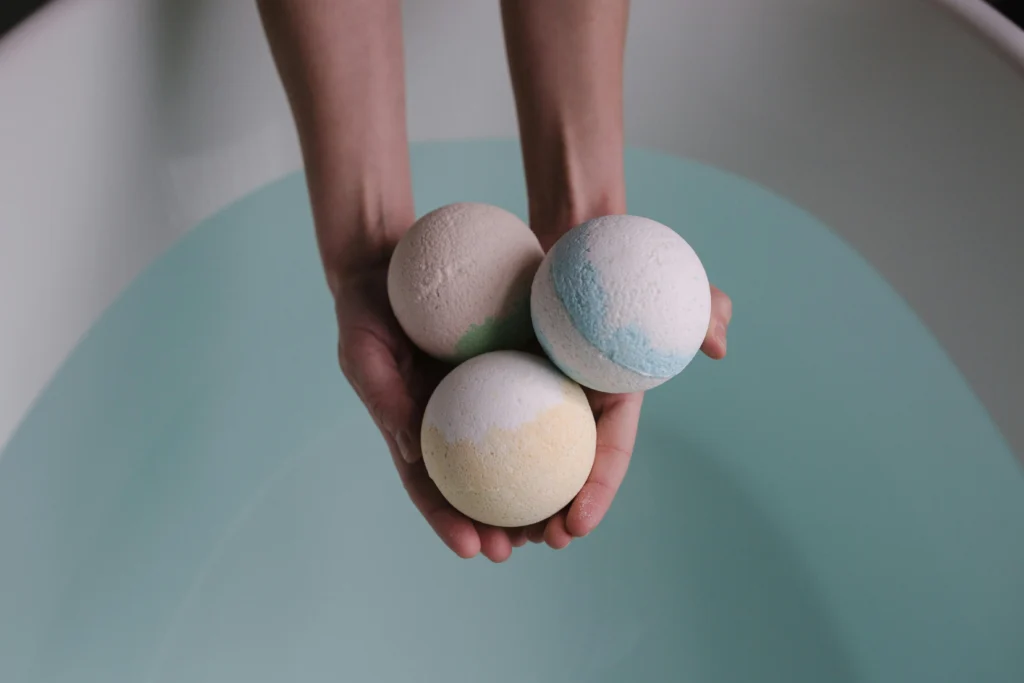
1. Handmade Soaps and Bath Bombs
Description: Handmade soaps and bath bombs are popular for gifting, self-care, and eco-friendly alternatives to store-bought products.
Why It’s Profitable: Many consumers pay a premium for artisanal products with unique scents, natural ingredients, or attractive designs.
How to Start:
- Learn basic soap-making or bath bomb techniques online.
- Source natural oils, fragrances, and molds.
- Create 5–10 product variations to test the market.
- Sell on Etsy, Shopify, or local craft fairs.
Challenges & Solutions:
- Time-consuming: Start with small batches and scale gradually.
- Compliance: Follow labeling laws and safety guidelines for skincare.
Startup Cost: $200–$800 depending on materials and equipment.
Monetization: Direct sales, gift sets, subscription boxes.
Case Study: A hobbyist in California started making lavender-scented bath bombs at home and now sells 400–500 units per month online.
2. Organic Skincare Products
Description: Products like facial oils, moisturizers, and toners made from natural ingredients appeal to health-conscious consumers.
Why It’s Profitable: Organic and natural products often command higher prices due to perceived quality and safety.
How to Start:
- Research natural, skin-safe ingredients.
- Test small batches and get feedback.
- Package professionally with clear labeling.
- Use social media to showcase benefits and ingredients.
Challenges: Allergies or sensitivities—offer patch tests and clear instructions.
Startup Cost: $300–$1,500.
Monetization: Direct online sales, local boutiques, subscription boxes.
Case Study: A small business in New York sells organic facial serums and grew from 50 orders a month to 400 by creating educational content about skincare benefits.
3. Lip Balms and Lip Care
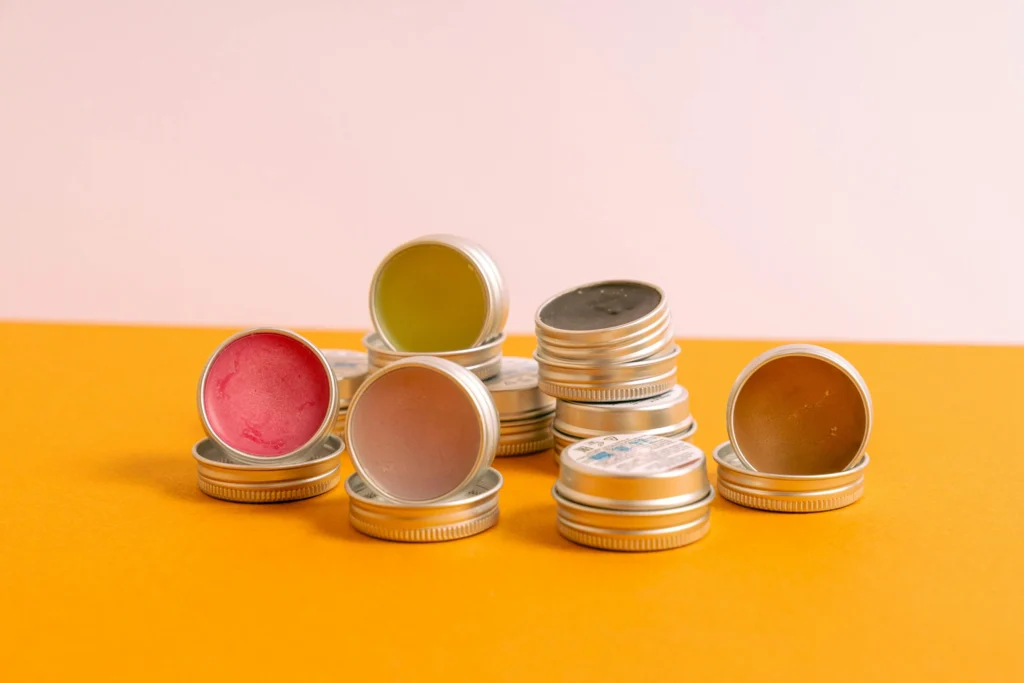
Description: DIY lip balms, scrubs, and tinted lip care products are small, easy-to-make, and popular for gifting.
Why It’s Profitable: High repeat purchase potential and low production costs make this a profitable starter product.
How to Start:
- Learn basic recipes using beeswax, oils, and natural colorants.
- Offer flavors or seasonal variations.
- Package attractively in tins or tubes.
Challenges: Shelf life—use preservatives if needed and label properly.
Startup Cost: $100–$500.
Monetization: Direct sales, local markets, subscription boxes.
Case Study: A mom in Texas sells lavender and peppermint lip balms at farmer’s markets, earning steady supplemental income.
Image Alt Suggestion: Assorted handmade lip balms in colorful tins.
4. Natural Hair Care Products
Description: Shampoos, conditioners, hair masks, and oils made with natural ingredients appeal to eco-conscious consumers.
Why It’s Profitable: People spend significantly on haircare products, especially if they promise natural or damage-free solutions.
How to Start:
- Research hair types and ingredient benefits.
- Test small batches at home.
- Educate customers about benefits on social media or your website.
Challenges: Allergies and scalp sensitivities—offer clear instructions.
Startup Cost: $200–$1,000.
Monetization: Product sales, bundles, online tutorials.
Case Study: A small Etsy shop selling argan oil hair treatments grew to 500 monthly sales within a year.
5. Facial Masks and Serums
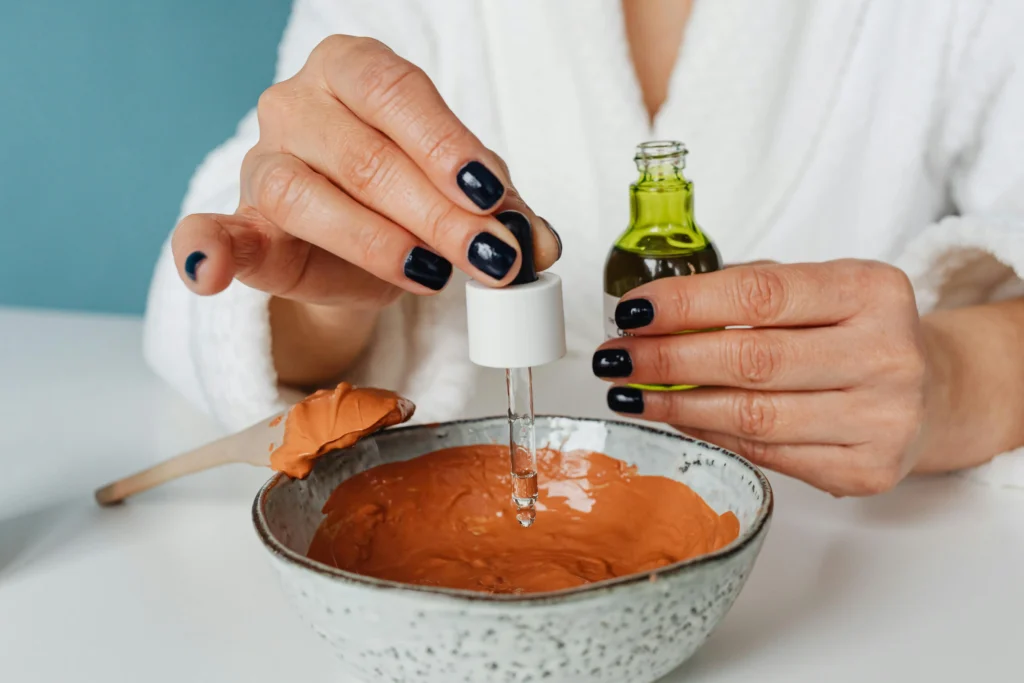
Description: DIY facial masks, serums, and treatments with organic ingredients like clay, aloe, and vitamin C.
Why It’s Profitable: High perceived value and appeal to skincare enthusiasts seeking natural alternatives.
How to Start:
- Research safe, skin-friendly formulations.
- Create small batches and ask for tester feedback.
- Use Instagram or TikTok to demonstrate benefits and usage.
Challenges: Preservatives and shelf life—consider small batch sales or refrigerated products.
Startup Cost: $200–$800.
Monetization: Direct sales, subscription boxes, workshops.
Case Study: A creator in Florida sells aloe-based face masks online, gaining a loyal repeat customer base.
6. DIY Makeup Kits
Description: Kits for creating your own lip gloss, blush, or eyeshadow at home.
Why It’s Profitable: Appeals to hobbyists and teens seeking creative experiences.
How to Start:
- Curate safe pigments, oils, and containers.
- Provide clear instructions.
- Market as a gift or creative activity.
Challenges: Safety—focus on skin-safe ingredients.
Startup Cost: $200–$1,000.
Monetization: Direct kit sales, online workshops, subscription boxes.
Case Study: A small Etsy shop sells DIY lipstick kits with instructional videos and grew to 300 monthly orders.
7. Body Scrubs and Exfoliants
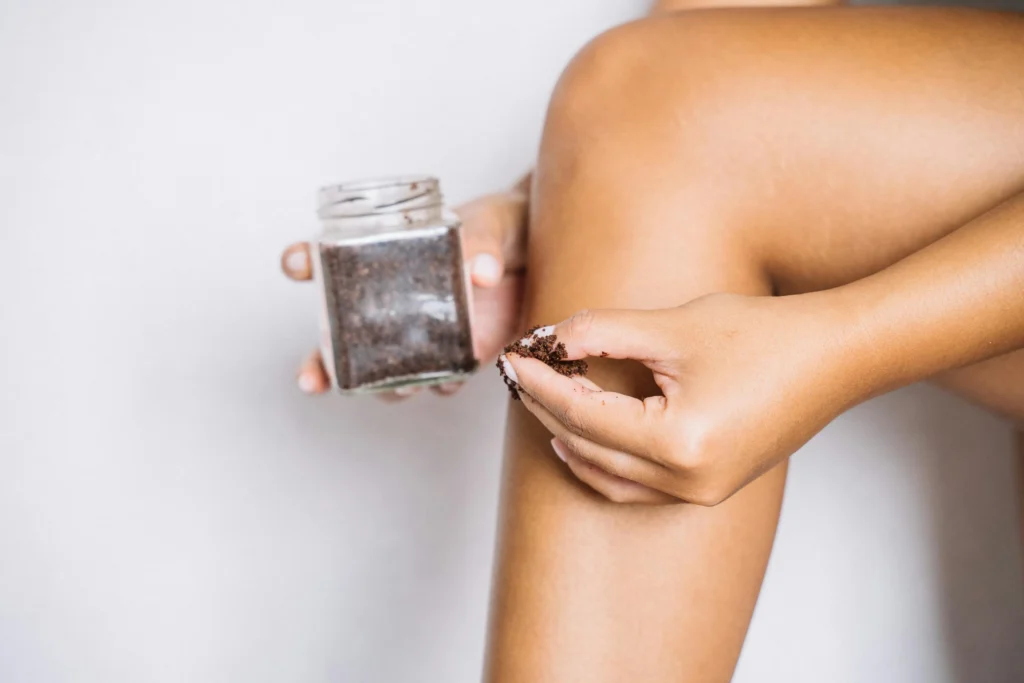
Description: Sugar scrubs, salt scrubs, and exfoliating creams.
Why It’s Profitable: Easy to make in small batches and popular for gifting.
How to Start:
- Use natural exfoliants like sugar, salt, or coffee grounds.
- Add essential oils for fragrance.
- Package in jars or eco-friendly containers.
Challenges: Moisture control—label with storage instructions.
Startup Cost: $150–$500.
Monetization: Online sales, local markets, spa partnerships.
Case Study: A hobbyist in Canada sells coffee scrubs locally, earning $1,000 per month in supplemental income.
8. Perfumes and Essential Oil Blends
Description: Natural perfumes, body mists, and aromatherapy blends.
Why It’s Profitable: Unique scents and small product sizes make them giftable and high-margin.
How to Start:
- Blend essential oils and carrier oils safely.
- Test scent combinations and shelf life.
- Market through Instagram, local boutiques, or online marketplaces.
Challenges: Skin sensitivities—include clear ingredient lists.
Startup Cost: $200–$800.
Monetization: Direct sales, subscription scents, workshops.
Case Study: An indie perfumer sells small-batch oils online with seasonal scents.
9. Candle and Spa Product Bundles
Description: Combine candles, bath salts, scrubs, and oils into giftable bundles.
Why It’s Profitable: Gift bundles appeal during holidays and special occasions.
How to Start:
- Curate complementary products.
- Package attractively with labels or gift boxes.
- Offer seasonal or themed bundles.
Challenges: Packaging costs—start small and optimize materials.
Startup Cost: $300–$1,500.
Monetization: Online sales, subscription boxes, seasonal promotions.
Case Study: A small shop in New York grew sales 3x by offering Valentine’s Day spa bundles.
10. Subscription Boxes for Beauty Lovers
Description: Monthly curated boxes with DIY beauty products or ingredients.
Why It’s Profitable: Recurring revenue and high customer engagement.
How to Start:
- Source or make products for 4–6 items per box.
- Offer subscription tiers.
- Market through social media and email lists.
Challenges: Retention—refresh products monthly.
Startup Cost: $500–$2,000.
Monetization: Subscription fees, upsells, affiliate products.
Case Study: A small DIY beauty subscription in California gained 1,000 monthly subscribers within a year.
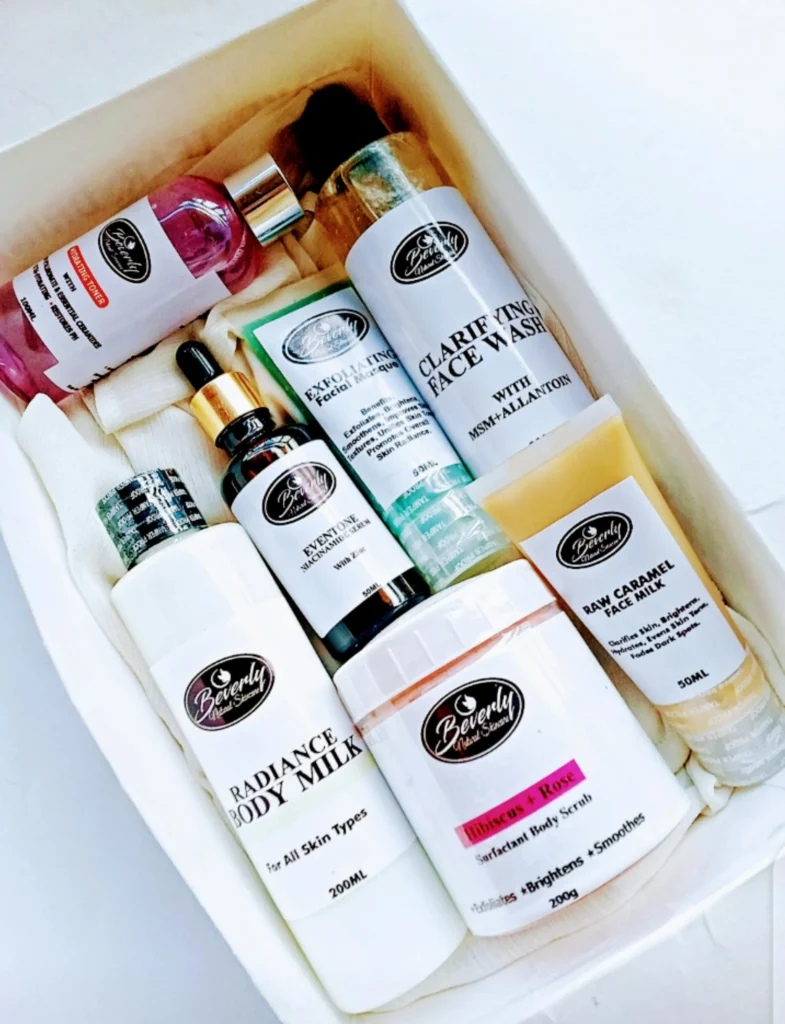
11. Customized Beauty Products
Description: Personalized lotions, balms, and fragrances.
Why It’s Profitable: Consumers love gifts or products with personal touches.
How to Start:
- Offer customization via scent, label, or color.
- Package professionally and offer as gifts.
Challenges: Fulfillment—start with a limited number of customization options.
Startup Cost: $200–$1,000.
Monetization: Online sales, gift sets, corporate gifts.
Case Study: A small Etsy store grew by offering custom-labeled balms for weddings and events.
12. Beauty Workshops and Classes
Description: Teach DIY beauty making in-person or online.
Why It’s Profitable: Adds value beyond product sales and builds community.
How to Start:
- Develop a curriculum for simple products.
- Host workshops online or locally.
- Market through social media or community boards.
Challenges: Audience building—start with friends, family, or small groups.
Startup Cost: $100–$500.
Monetization: Workshop fees, product kit sales.
Case Study: A skincare enthusiast in the UK teaches monthly online workshops and sells kits for attendees.
13. Eco-Friendly Packaging Solutions
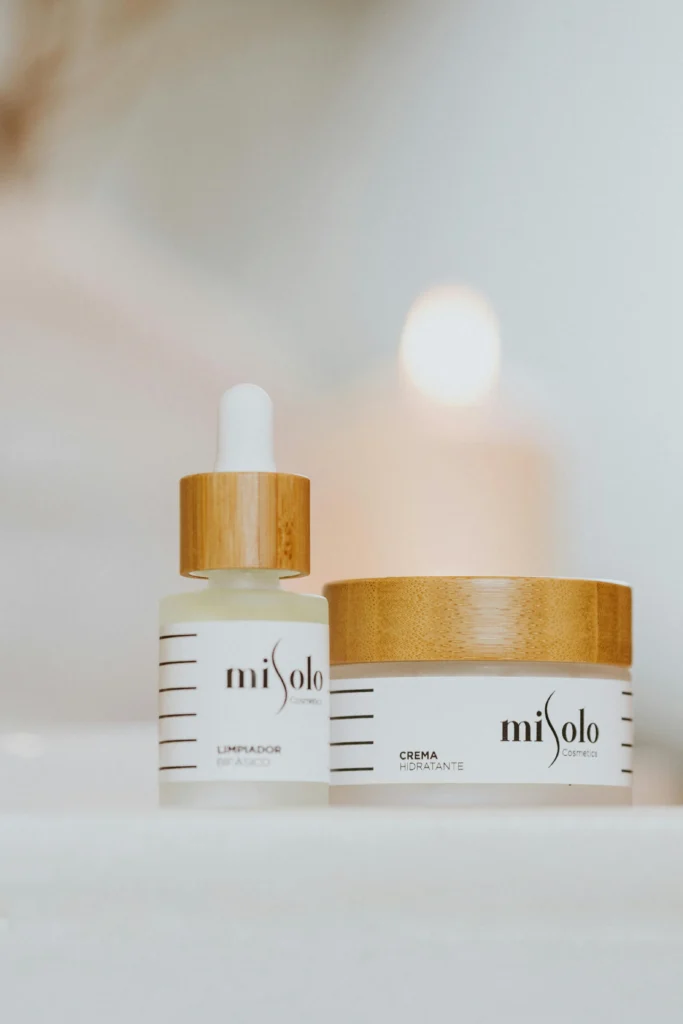
Description: Offer reusable, recyclable, or biodegradable packaging for DIY beauty products.
Why It’s Profitable: Increasing demand for sustainable packaging among conscious consumers.
How to Start:
- Source eco-friendly containers.
- Market to other DIY beauty entrepreneurs or direct customers.
Challenges: Costs—educate customers on sustainability benefits.
Startup Cost: $300–$1,500.
Monetization: Direct sales, wholesale to small businesses.
Case Study: A small supplier provides glass jars for local skincare businesses, growing consistently over two years.
14. Men’s Grooming Products
Description: Shaving creams, beard oils, and skincare products for men.
Why It’s Profitable: Men’s grooming is a growing market, often underserved by small DIY brands.
How to Start:
- Focus on simple, natural ingredients.
- Package in masculine designs.
- Promote online and at local markets.
Challenges: Differentiation—focus on scent or packaging.
Startup Cost: $200–$1,000.
Monetization: Online sales, gift sets, subscription boxes.
Case Study: A small men’s beard oil brand in Australia expanded to 500+ monthly customers within a year.
15. Baby-Safe or Sensitive Skin Products
Description: Gentle products for infants and sensitive skin, like lotions and bath oils.
Why It’s Profitable: Parents are willing to pay more for safe, high-quality products.
How to Start:
- Use dermatologist-approved ingredients.
- Conduct patch tests.
- Market through parenting communities.
Challenges: Safety compliance—adhere to labeling and regulations.
Startup Cost: $300–$1,500.
Monetization: Direct sales, local baby boutiques.
Case Study: A mompreneur in Germany sells handmade baby lotions online, growing repeat customers steadily.
16. Seasonal or Holiday-Themed Products
Description: Limited-edition scents or colors for holidays like Christmas, Valentine’s, or Halloween.
Why It’s Profitable: Seasonal scarcity increases demand.
How to Start:
- Curate special ingredients, scents, or colors.
- Promote via social media and email marketing.
Challenges: Seasonal dependency—plan cash flow accordingly.
Startup Cost: $200–$1,000.
Monetization: Direct sales, holiday bundles, gift sets.
Case Study: A small shop in France sells pumpkin-scented soaps in fall, doubling revenue in October.
17. Beauty Product Repair and Refills
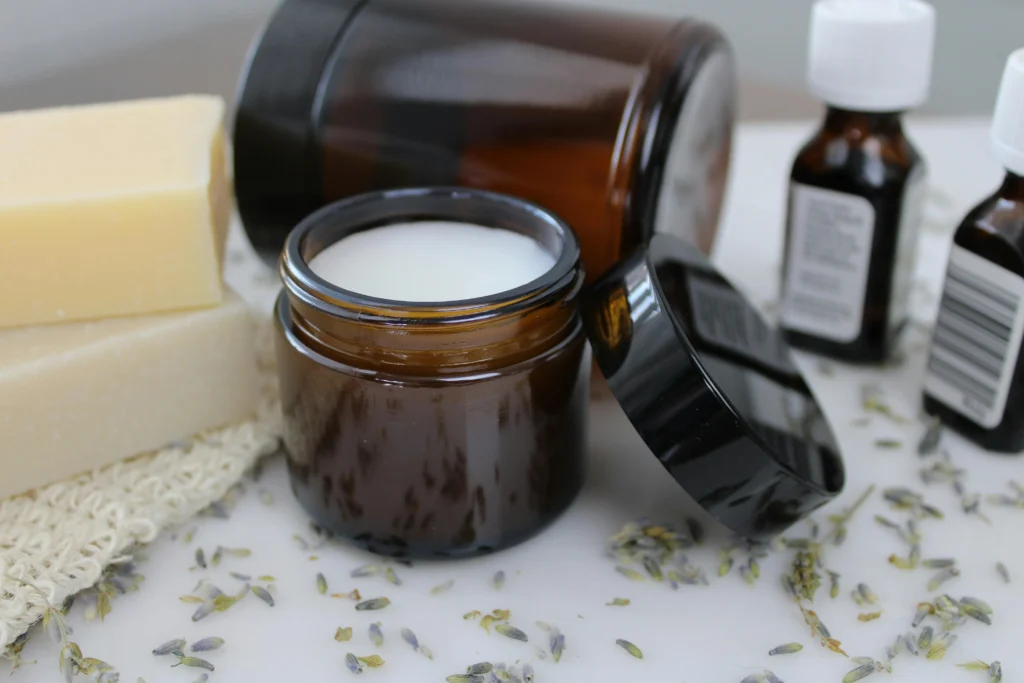
Description: Refill stations or kits for existing beauty products.
Why It’s Profitable: Eco-conscious consumers prefer refills over single-use packaging.
How to Start:
- Provide refills for balms, creams, and oils.
- Offer at local markets or online.
Challenges: Logistics—start small to manage inventory.
Startup Cost: $300–$1,500.
Monetization: Direct refill sales, subscription refills.
Case Study: A refill business in the UK sells lotion refills locally and online, growing steadily.
18. Online Courses for DIY Beauty
Description: Teach recipes, formulation techniques, and business tips online.
Why It’s Profitable: People pay for knowledge and community.
How to Start:
- Record video tutorials or write guides.
- Offer on platforms like Teachable or Udemy.
Challenges: Content creation—start with a small series.
Startup Cost: $100–$500.
Monetization: Course fees, downloadable templates, affiliate tools.
Case Study: A skincare enthusiast grew an online course platform to 1,000 students worldwide.
19. Influencer Collaborations and Affiliate Marketing
Description: Partner with influencers to promote DIY beauty products.
Why It’s Profitable: Expands reach quickly with minimal marketing effort.
How to Start:
- Identify micro-influencers in your niche.
- Offer free samples or commission-based incentives.
Challenges: Choosing the right influencer—focus on engagement over follower count.
Startup Cost: $50–$500 for sample products.
Monetization: Affiliate sales, influencer promotions, bundled campaigns.
Case Study: A small lip balm brand increased online sales by 200% collaborating with Instagram influencers.
20. Niche Ingredient Sourcing and Kits
Description: Provide rare or specialty ingredients for DIY beauty creators.
Why It’s Profitable: Hobbyists want quality ingredients but may not know where to source them.
How to Start:
- Source high-quality oils, clays, and extracts.
- Offer curated ingredient kits with instructions.
Challenges: Inventory management—start with small batches.
Startup Cost: $300–$1,500.
Monetization: Direct kit sales, subscription boxes, workshops.
Case Study: A small US shop sells natural ingredient kits, growing steadily through online communities.
21. Specialty or Cultural Beauty Products
Description: Products inspired by cultural beauty traditions (e.g., Ayurveda, Korean skincare, African shea products).
Why It’s Profitable: Offers unique appeal and storytelling opportunities.
How to Start:
- Research traditional ingredients and methods.
- Adapt safely for modern DIY markets.
- Market through niche blogs and social media communities.
Challenges: Authenticity—respect traditions and label accurately.
Startup Cost: $300–$1,500.
Monetization: Online sales, subscription boxes, workshops.
Case Study: A small shop in Canada sells Ayurvedic-inspired skincare kits online, building a loyal community.
Exploring 20+ Business Ideas for the DIY Beauty Products Niche shows that there’s no single path to success, but with creativity, dedication, and patience, your passion for DIY beauty can become a rewarding business. From handmade soaps and bath bombs to subscription boxes, personalized products, and online workshops, the possibilities are vast.
Remember, every journey starts small. From what I’ve seen, testing your ideas, engaging with your audience, and refining your offerings gradually leads to sustainable growth. Even if you start with one product or one workshop, consistent effort can pay off over time.
If you’re ready, explore other niches on Nichejar.com to diversify your ideas and find complementary products or services. Don’t hesitate to share your experiences or ask questions—you never know who might benefit from your insights.
20+ Business Ideas for the DIY Beauty Products Niche can help you turn your creativity into a small, meaningful venture. Stay persistent, learn from early challenges, and remember that building a business is as much about the process as the outcome.
TLDR
In short:
- Handmade Soaps & Bath Bombs: Popular, giftable, low-cost startup.
- Organic Skincare Products: High-value, natural ingredient appeal.
- Lip Balms & Lip Care: Affordable, repeat purchase potential.
- DIY Makeup Kits: Fun, creative, and giftable.
- Subscription Boxes: Recurring revenue, curated experiences.
- Customized Beauty Products: Personalized, high perceived value.
- Workshops & Online Courses: Share knowledge, diversify income.
- Niche Ingredients & Specialty Products: Target hobbyists and cultural trends.
These ideas offer practical, realistic ways to start a DIY beauty business with manageable costs, scalable potential, and multiple monetization strategies.